






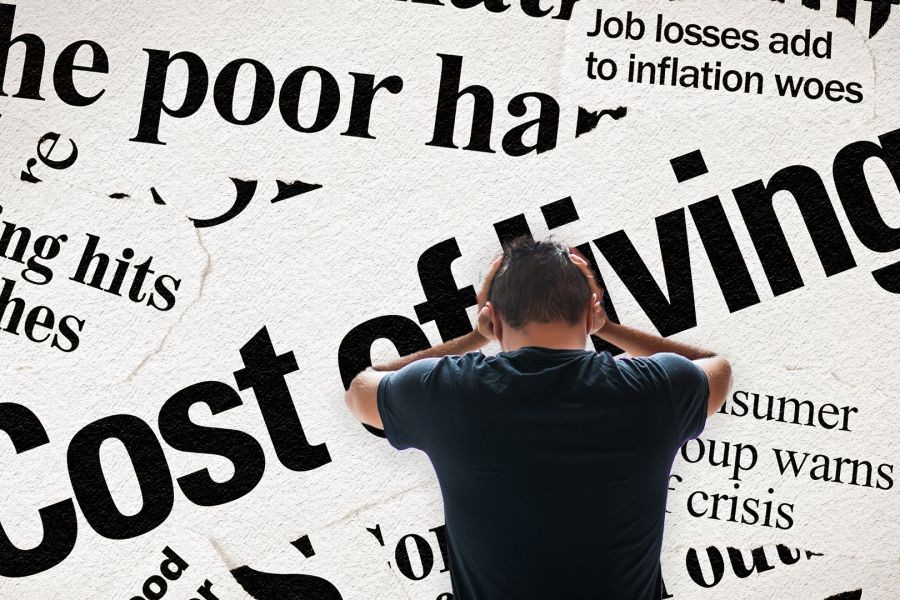
In recent years, Australians have faced an increasingly challenging economic landscape marked by rising costs and stagnant wages. While the cost of living crisis is not unique to Australia, its impact here is profound, pushing many into financial distress. This article explores whether the cost of living crisis is indeed driving more Australians into poverty and examines the intricate interplay between economic policies, industry trends, and individual financial health.
The Cost of Living Crisis: An Overview
The cost of living in Australia has surged, driven by a combination of global economic pressures and domestic factors. The Reserve Bank of Australia (RBA) has noted a significant rise in inflation, which hit 5.1% in the first quarter of 2023, the highest in over a decade. The Australian Bureau of Statistics (ABS) highlights that essential categories such as housing, energy, and food have seen the most substantial price increases.
Impact on Australian Households
The impact on Australian households is manifold. According to recent data from the ABS, one in six Australians now faces financial stress, unable to meet basic expenses without borrowing. This situation is exacerbated by stagnant wage growth, which has failed to keep pace with inflation, leading to a real decline in purchasing power.
Case Study: Rising Energy Costs
Problem: Many Australian households have been struggling with rising energy costs, a critical component of the cost of living crisis. Energy prices have increased by over 20% in the past year, with some areas experiencing even steeper hikes.
Action: To combat this, the Australian government implemented the Energy Assistance Payment scheme, providing relief to low-income families. This initiative aimed to mitigate the immediate financial burden of energy bills.
Result: Following the implementation, over 1.5 million households benefited from this scheme, with energy costs reduced by an average of 15%. However, the long-term sustainability of such measures remains a concern.
Takeaway: This case underscores the importance of targeted government interventions in alleviating financial stress. Yet, without addressing the root causes of energy price hikes, such measures may offer only temporary respite.
Pros and Cons of Current Economic Policies
Pros:
- Immediate Relief: Government assistance programs provide short-term financial relief to vulnerable populations.
- Stimulus Impact: Economic stimulus packages have spurred consumer spending, supporting economic recovery post-COVID.
- Focus on Sustainability: Policies encouraging renewable energy investments aim to stabilize long-term energy costs.
Cons:
- Short-Term Fix: Many policies offer only temporary solutions without addressing systemic issues.
- Widening Inequality: Income disparity continues to grow, with wealth concentrated among higher-income groups.
- Regulatory Burden: Complex regulations can stifle innovation and economic growth, particularly in emerging industries.
Myths about the Cost of Living Crisis
- Myth: "Cost of living increases are temporary." Reality: Inflationary pressures are driven by persistent factors such as global supply chain disruptions and climate change, suggesting longer-term challenges.
- Myth: "Government assistance is sufficient." Reality: While beneficial, assistance programs often fall short of covering the full extent of increased living costs.
- Myth: "Rising wages offset living costs." Reality: Wage growth has stagnated, failing to match inflationary trends, resulting in decreased real income.
Future Trends and Predictions
Looking ahead, experts predict that the cost of living crisis will persist, with housing and energy costs continuing to rise. However, technological advancements in renewable energy could eventually stabilize energy prices. According to a Deloitte report, by 2028, 60% of Australian households are expected to adopt solar energy, potentially reducing energy costs significantly. Policymakers are also likely to focus increasingly on sustainable urban planning to address housing affordability.
Conclusion
As the cost of living crisis deepens, it is crucial for Australian policymakers, businesses, and individuals to adopt proactive strategies to mitigate its impact. While government interventions provide immediate relief, long-term solutions must involve systemic changes, including wage growth, sustainable energy investments, and equitable economic policies. By fostering a comprehensive approach, Australia can navigate this challenging period and emerge with a resilient economy.
What’s your perspective on the cost of living crisis in Australia? Share your insights below or join the conversation on LinkedIn!
People Also Ask (FAQ)
How does the cost of living crisis impact businesses in Australia?
Australian businesses face increased operational costs due to rising prices for goods and services. This situation pressures profit margins, particularly for SMEs, necessitating efficiency improvements and innovative strategies to maintain competitiveness.
What are the biggest misconceptions about the cost of living crisis?
One common myth is that government assistance can fully offset increased living costs. In reality, assistance often provides temporary relief, and systemic solutions are necessary to address the root causes of inflation.
What strategies can individuals use to cope with rising living costs?
Individuals are encouraged to adopt budgeting tools, seek financial advice, and explore sustainable energy options to mitigate rising expenses. Diversifying income streams through side jobs or investments can also provide additional financial security.
Related Search Queries
- Cost of living Australia 2024
- Impact of inflation on Australian economy
- Government assistance programs Australia
- Energy cost crisis Australia
- Housing affordability in Australia
- Wage growth vs. inflation Australia
- Future economic predictions Australia
- Australian Bureau of Statistics cost of living
- Policy responses to cost of living crisis
- Strategies for managing rising living costs



























Padmini Appliances
8 hours ago