



07 April 2025

How to Understand the Economic Impact of the Trans-Pacific Partnership – Everything You Should Know Before Trying in NZ

Explore the economic impact of the Trans-Pacific Partnership in New Zealand with our comprehensive guide.

News & Politics

96.2K Views

❤️ Share with love

Advertisement

Advertise With Vidude


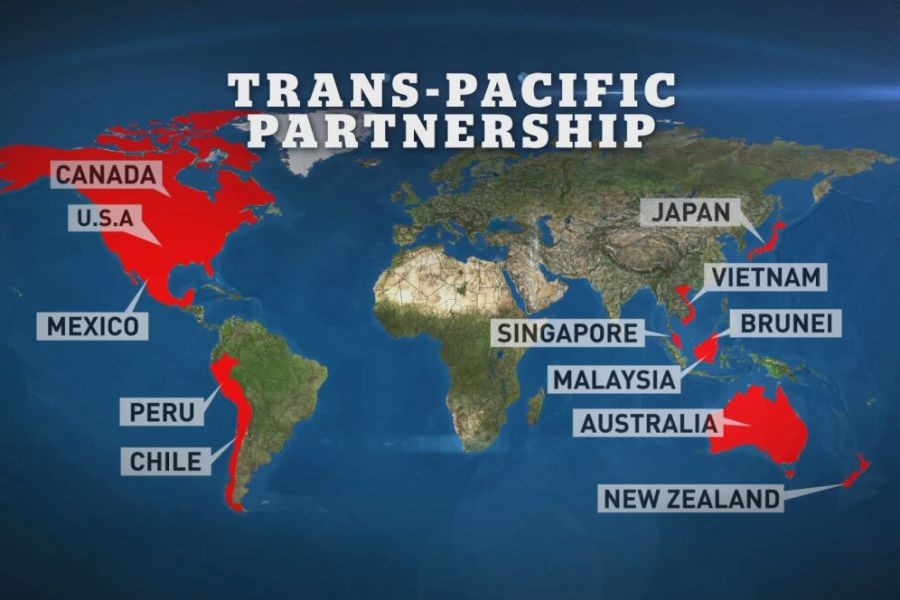
New Zealand, a key player in the Trans-Pacific Partnership (TPP), stands at the crossroads of a dynamic trade landscape. The TPP, a free trade agreement originally involving 12 Pacific Rim countries, aims to enhance economic integration by eliminating tariffs and fostering trade across the region. For New Zealand, understanding the economic implications of the TPP is not only crucial for policymakers but also for real estate experts and investors who need to anticipate shifts in market dynamics. This article delves into the economic impact of the TPP on New Zealand, offering insights backed by data and real-world examples to guide real estate professionals in navigating this evolving landscape.

Understanding the Trans-Pacific Partnership

The Trans-Pacific Partnership was initially signed in 2016, encompassing 12 nations with a shared vision of reducing trade barriers and promoting economic growth. Although the United States withdrew in 2017, the remaining 11 countries, including New Zealand, continued under the Comprehensive and Progressive Agreement for Trans-Pacific Partnership (CPTPP). This agreement covers key areas such as trade in goods and services, intellectual property, and investment protection, impacting a wide array of industries.

Implications for New Zealand's Economy

New Zealand's participation in the TPP is projected to yield significant economic benefits. According to the Ministry of Business, Innovation and Employment (MBIE), the CPTPP could boost New Zealand's GDP by up to NZD 4 billion over the next decade. This increase is largely attributed to enhanced access to key markets like Japan, Canada, and Mexico, enabling New Zealand exporters to capitalize on reduced tariffs and expanded market opportunities.

Impact on Key Industries

The agricultural sector, a cornerstone of New Zealand's economy, stands to gain substantially from the CPTPP. With over 90% of New Zealand’s dairy exports going to TPP countries, the reduction in tariffs is forecasted to increase competitiveness and market share. Additionally, the agreement is expected to bolster the manufacturing and technology sectors by facilitating smoother supply chains and fostering innovation through enhanced intellectual property protections.

Real Estate Market Dynamics

For the real estate sector, the TPP's impact is nuanced. On one hand, increased economic growth may drive demand for commercial and residential properties as businesses expand and consumer spending rises. On the other hand, real estate professionals must be vigilant of potential shifts in foreign investment patterns. The relaxation of investment barriers might lead to increased foreign interest in New Zealand's property market, potentially impacting price dynamics and availability.

Case Study: Fonterra's Expansion in TPP Markets

Problem: Fonterra, New Zealand's leading dairy cooperative, faced challenges in accessing high-demand markets due to tariff barriers. These restrictions limited their competitive edge and market penetration in key Asian economies.

Action: With the advent of the CPTPP, Fonterra strategically leveraged the agreement to expand its presence in Japan and Mexico, where tariff reductions provided a more level playing field. The company focused on enhancing its product offerings and strengthening distribution networks.

Result: Within two years, Fonterra reported a 25% increase in sales to CPTPP countries, significantly boosting its revenue streams. The company also gained a stronger foothold in the Japanese market, diversifying its export portfolio.

Takeaway: This case underscores the importance of strategic planning and adaptation to new trade environments. Real estate professionals can draw parallels by anticipating and preparing for shifts in demand driven by international trade agreements.

Balancing Opportunities and Challenges

While the TPP presents numerous opportunities, it also poses challenges. Increased competition from other TPP countries could pressure domestic industries, necessitating innovation and efficiency. Furthermore, real estate investors must consider potential regulatory changes and market volatility resulting from the agreement.

Pros vs. Cons Analysis

Pros:

  • Market Access: New Zealand businesses gain access to larger markets, enhancing export potential.
  • Economic Growth: Projected GDP increase supports infrastructure development and employment growth.
  • Innovation: Enhanced IP protections encourage technological advancements and R&D investments.

Cons:

  • Increased Competition: Domestic industries may face heightened competition from more efficient TPP countries.
  • Regulatory Challenges: Navigating new regulations and compliance standards can be complex for businesses.
  • Market Volatility: Short-term market fluctuations may affect investment decisions and economic stability.

Common Myths & Mistakes

Myth: "The TPP only benefits large corporations."

Reality: While large corporations do benefit, small and medium-sized enterprises (SMEs) also gain from reduced barriers to entry and increased market access, fostering competitiveness.

Myth: "The TPP will lead to widespread job losses in New Zealand."

Reality: Although some sectors may experience job shifts, overall employment is expected to rise due to increased economic activity and new opportunities in emerging industries.

Myth: "Real estate prices will skyrocket due to foreign investments."

Reality: While there might be increased interest, the impact on real estate prices is moderated by existing regulations and market dynamics.

Future Trends & Predictions

Looking ahead, the TPP is likely to play a pivotal role in shaping New Zealand's economic landscape. As global trade dynamics evolve, further integration with new TPP members could enhance economic resilience and diversification. According to a report by Deloitte, New Zealand's exports to TPP countries could increase by 30% by 2030, driven by technological advancements and sustainable practices.

Conclusion

In summary, the Trans-Pacific Partnership offers significant opportunities for New Zealand's economy, particularly in enhancing trade relations and fostering innovation. For real estate experts and investors, understanding the implications of this agreement is crucial for strategic planning and investment decisions. As New Zealand navigates this evolving trade landscape, staying informed and adaptable will be key to capitalizing on new opportunities and mitigating potential risks.

Final Takeaways

  • Leverage the TPP for expanded market access and economic growth.
  • Anticipate shifts in real estate demand driven by trade dynamics.
  • Prepare for increased competition and regulatory changes.
  • Stay informed on future trade developments and industry trends.

What’s your take on the TPP's impact on New Zealand? Share your insights below!

People Also Ask (FAQ)

How does the TPP impact businesses in New Zealand?

New Zealand businesses leveraging TPP report increased export opportunities and competitiveness, particularly in the agricultural and technology sectors.

What are the biggest misconceptions about the TPP?

One common myth is that the TPP only benefits large corporations. However, research shows that SMEs gain access to new markets, fostering competitiveness.

What upcoming changes in New Zealand could affect the TPP?

By 2026, policy updates in trade regulations could shift the TPP landscape—stay ahead by adopting sustainable practices and technological advancements.

Related Search Queries

  • Trans-Pacific Partnership New Zealand impact
  • TPP benefits for New Zealand economy
  • Real estate market trends in TPP countries
  • New Zealand trade agreements 2025
  • Economic growth projections for New Zealand
  • New Zealand export opportunities under TPP
  • Impact of foreign investment on NZ real estate
  • Future of trade agreements in the Pacific Rim
  • Regulatory changes in New Zealand trade policy
  • TPP and small business opportunities in NZ

0
 
0

30 Comments


Orange_Brick

8 days ago
The Trans-Pacific Partnership (TPP) is really fascinating because it shows how interconnected economies are, especially for a small country like New Zealand. It's interesting to think about how trade agreements can open up markets for our exports, but they can also lead to challenges for local industries. I find it intriguing that while TPP could potentially boost economic growth, some sectors might face increased competition from imports, which could impact jobs. It's a balancing act between embracing new opportunities and protecting local interests. Also, the environmental and labor standards included in the agreement are something to consider. If these standards are robust, they might help ensure that economic growth doesn’t come at the expense of sustainability or workers' rights, which is something I’d love to see more discussions about. Ultimately, understanding the TPP's economic impact involves looking at both the potential benefits and the challenges. I'm curious how policymakers in NZ will navigate this complex landscape to ensure that the agreement serves the broader interests of the community. It's definitely a topic worth exploring further over coffee!
0 0 Reply

bennyharman195

8 days ago
While understanding the economic impacts is crucial, exploring local perspectives and cultural narratives surrounding the Trans-Pacific Partnership can enrich the conversation and foster deeper connections. What are your thoughts?
0 0 Reply
While the Trans-Pacific Partnership (TPP) is often viewed through the lens of potential economic benefits and trade liberalization, it’s important to consider the varying impacts on different sectors and communities. For instance, while some industries may thrive due to increased access to markets, others, particularly small-scale farmers and local businesses, could face significant challenges from increased competition. This complexity underscores the necessity of tailored policies that can mitigate adverse effects while maximizing overall economic gains.
0 0 Reply

archspire merch

8 days ago
It's fascinating how the Trans-Pacific Partnership (TPP) reflects historical trade agreements that have shaped economies for centuries. Just like the Treaty of Waitangi played a crucial role in New Zealand's history, the TPP has the potential to redefine trade relationships in the Asia-Pacific region. Understanding the economic impact of the TPP requires looking at both the potential benefits and the risks involved. Historically, trade agreements have often promised economic growth, yet they can also lead to significant disruptions in local industries, much like the effects of the North American Free Trade Agreement (NAFTA) in the U.S. The discussions surrounding the TPP remind me of the debates over earlier treaties, where the voices of local communities were sometimes overshadowed by larger economic interests. It’s essential to consider how these trade agreements affect not just the economy as a whole, but also the everyday lives of people in New Zealand. Ultimately, navigating the TPP's implications will require a balance between embracing global opportunities and protecting local interests, a challenge that has persisted throughout history. It's an ongoing conversation that deserves thoughtful consideration, especially as we look to the future.
0 0 Reply
While the Trans-Pacific Partnership (TPP) certainly has the potential to influence New Zealand's economy in various ways, I wonder if we might be overestimating its impact. Aren't there other factors—like local policies, global market conditions, and even community initiatives—that could play a more significant role in shaping our economic landscape? It seems to me that while trade agreements are important, the real work often happens at the grassroots level where citizens engage with their local economies. Additionally, it's worth considering whether the benefits of such partnerships are evenly distributed. Wouldn't it be interesting to explore how the TPP might affect different sectors of our economy? For example, could we see a boost in exports for some industries while others might struggle to compete? It raises questions about equity and sustainability that are just as vital as the economic numbers. Finally, I'm curious about the long-term implications of such agreements. Do we risk becoming too reliant on external economies, and what does that mean for our local resilience? These are complex issues that deserve thoughtful consideration beyond the initial economic forecasts. Ultimately, it’s a fascinating topic that merits ongoing discussion and exploration.
0 0 Reply

CrystleBed

8 days ago
It’s interesting to see how the Trans-Pacific Partnership might shape New Zealand's economy. There are definitely some pros and cons worth considering for everyday folks.
0 0 Reply

Jennifer Davis

9 days ago
While diving into the economic intricacies of the Trans-Pacific Partnership feels a bit like trying to understand the plot of a complex RPG without a guide, I'm oddly intrigued by the idea of trade agreements as the ultimate multiplayer quest. It’s like gathering resources from distant lands, but instead of gold coins, we’re dealing with tariffs and regulations. Who knew that understanding international trade could be as convoluted as leveling up a character with limited experience points? I guess I’ll just grab my metaphorical sword and shield and venture into this economic dungeon with curiosity and a dash of bewilderment.
0 0 Reply

Leather Chapo

9 days ago
Ah, the Trans-Pacific Partnership—like ordering a fusion dish that promises a taste of the world but leaves you wondering if the ingredients really complement each other. Just like with food, understanding the economic impact means diving into the complexities of flavor profiles, trade-offs, and potential surprises on your palate. Who knew that the true recipe for success could be just as intricate as mastering the perfect ramen broth?
0 0 Reply

GastonEddy

9 days ago
"But have you considered that while the Trans-Pacific Partnership (TPP) can boost trade and economic growth, it might also lead to significant shifts in local job markets? In my experience, it's crucial to look at both the potential benefits and the challenges it poses for smaller businesses and workers in vulnerable sectors. Balancing these aspects can help create a more comprehensive understanding of its true economic impact."
0 0 Reply

pedroquick0704

9 days ago
Understanding the TPP is like trying to read a novel written in invisible ink—frustrating yet oddly fascinating! Just remember, while your wallet might feel lighter, your brain could get a solid workout. So grab a snack, buckle up, and prepare for an economic rollercoaster that even your calculator will question!
0 0 Reply

LynneMansf

9 days ago
Just wrapped up reading about the Trans-Pacific Partnership and its impact on NZ. It’s pretty wild to think about how trade deals shape everything from local jobs to our wave spots. Definitely gives you a different perspective on the bigger picture when you’re out there catching waves. Excited to see how it all plays out!
0 0 Reply

khushbujewellers

9 days ago
While the Trans-Pacific Partnership (TPP) is often viewed through a lens of broad economic benefits, it's important to recognize that the impact on local food producers in New Zealand could vary significantly. For instance, smaller artisanal producers might struggle to compete against larger multinational corporations that could flood the market with cheaper, mass-produced goods, potentially eroding the unique culinary heritage that defines New Zealand’s food culture. This suggests that while the TPP may boost overall economic growth, it could inadvertently threaten the authenticity and diversity of local food offerings that many consumers cherish.
0 0 Reply

RodrickTjg

9 days ago
Sipping my coffee while contemplating the Trans-Pacific Partnership (TPP) really makes me think about how trade agreements like this can influence local food markets. For instance, if tariffs on certain imports are reduced, we might see a wider variety of unique ingredients available in New Zealand, which could elevate the culinary scene even further. On the other hand, there’s always a concern about how local producers might be affected. If cheaper imports flood the market, it could pose a challenge for small farmers and artisans who pride themselves on authenticity. It’s a balancing act between enjoying global flavors and supporting local businesses. I find it fascinating how economic policies ripple through the food we eat. Just imagine if the TPP opens up avenues for exporting Kiwi products abroad, giving local chefs the chance to showcase their creations on a global stage. It’s all interconnected, and understanding these dynamics is crucial for any foodie looking to appreciate the full story behind their meals. Ultimately, while the TPP can bring exciting new opportunities, it’s essential to remain mindful of the local producers who craft the unique flavors we cherish in New Zealand. Let's hope it leads to a thriving food culture that respects both innovation and tradition.
0 0 Reply

Earthstona India

9 days ago
While the economic impact of the Trans-Pacific Partnership (TPP) is often framed in terms of increased trade and investment opportunities, could we also consider how it might affect local industries and small businesses in New Zealand? Understanding the potential downsides, such as market competition and regulatory changes, seems crucial to forming a comprehensive view of the agreement's overall benefits and challenges.
0 0 Reply
Ah, the Trans-Pacific Partnership—sounds like a diplomatic dance that nobody quite knows the steps to. Before we dive into the economic impact, I can’t help but wonder: do we really have a seat at the table, or are we just the decorative fruit bowl in the middle? It's fascinating how these agreements promise prosperity while leaving us to decipher the fine print like a cryptic crossword puzzle. Perhaps understanding the economic impact is less about the numbers and more about asking who gets to pull the strings in this global marionette show.
0 0 Reply

BraydenEls

6 months ago
That sounds like a fascinating discussion! The Trans-Pacific Partnership has such significant implications for trade and economics. I'm curious to see how it could reshape New Zealand's economy and its relationships with other countries. Looking forward to hearing everyone's thoughts on it!
0 0 Reply

olliebaragwana

6 months ago
Well, understanding the economic impact of the Trans-Pacific Partnership sounds a bit like trying to decipher the secret recipe for grandma's famous stew—lots of ingredients and a pinch of mystery! Just when you think you've got it figured out, someone adds a dash of unforeseen consequences. I suppose if we can tackle trade agreements like we tackle our family dinners—by mixing a bit of curiosity with a healthy dose of skepticism—we might just come out the other side with a better understanding of what’s cooking in the economy. Here's hoping it doesn’t leave a sour taste!
0 0 Reply

bloxdat

6 months ago
I think the Trans-Pacific Partnership (TPP) is a pretty interesting topic, especially since it could really shape New Zealand's economy. It’s all about trade, right? So, if the TPP opens up more markets for Kiwi businesses, that could mean more jobs and better products for us. But, I also wonder about the downside. There’s always that concern about how these trade agreements might affect local industries. If big international companies come in, could they push smaller local businesses out? It’s definitely something to keep in mind. Plus, I've read that the TPP has environmental and labor standards built in, which seems like a step in the right direction. It would be great if those standards really helped protect workers and the environment, but I guess we’ll have to see how effectively they’re enforced. Overall, I think it’s crucial for us to stay informed about these agreements, especially since they can have such a big impact on our daily lives. It’s worth discussing over coffee, for sure!
0 0 Reply

lemuelhinkle7

6 months ago
This analysis shines a light on the intricate web of trade dynamics and cultural exchanges. It's crucial to consider how such agreements can reshape local economies and identities, not just in numbers but in lived experiences. What are the voices of the communities affected?
0 0 Reply

AnneDeBoos

6 months ago
This article highlights the importance of understanding the Trans-Pacific Partnership's implications on our communities and environment. It's essential for us, as Māori, to engage thoughtfully in these discussions, ensuring our voices are heard and our values respected in the economic landscape of Aotearoa.
0 0 Reply

alonzod0450187

6 months ago
It's interesting to consider the economic impact of the Trans-Pacific Partnership, especially in a country like New Zealand that has its own unique challenges and opportunities. I find myself wondering how much the benefits touted by proponents truly outweigh the potential drawbacks, particularly for local industries and workers. It makes me curious about the real-life experiences of those affected by such agreements—how do farmers, small businesses, and everyday citizens perceive these changes? It seems essential to look beyond the statistics and engage with the human stories behind the numbers. Ultimately, I think a thorough understanding requires not just a grasp of the economic theories but also an exploration of the voices that often get lost in the debate.
0 0 Reply

Gulia

6 months ago
"Finally, a guide on the Trans-Pacific Partnership! I’ve been waiting for something to make me feel like a real economic superhero. Just promise me there's a section on how to negotiate better snack deals during those long meetings—priorities, people!"
0 0 Reply

LeeBunch58

6 months ago
This is such a relevant topic for us small business owners! The TPP could really change the game, but I’m curious about how it will specifically affect our local market here in Tauranga. Definitely need to dig into this more!
0 0 Reply

stacymosby5643

6 months ago
In examining the economic impact of the Trans-Pacific Partnership (TPP) in New Zealand, one might note that while proponents argue the agreement will significantly boost trade and economic growth, some studies suggest that the benefits may be unevenly distributed across different sectors of the economy. This raises the question of whether the anticipated gains will truly translate into widespread prosperity for all New Zealanders or if certain industries, particularly those more reliant on exports, may disproportionately benefit at the expense of others. It's essential to critically analyze these differing perspectives to fully understand the TPP's potential implications for our economy.
0 0 Reply

BALI FUN DIVING

6 months ago
This article raises crucial points about the potential economic shifts from the Trans-Pacific Partnership. I'm particularly interested in how it could affect local industries and job markets in NZ. Exploring both pros and cons will be essential for a balanced understanding of its impact. What are your thoughts on the potential risks?
0 0 Reply

AlyssaPurn

9 months ago
Great insights! Understanding the Trans-Pacific Partnership is crucial for navigating its economic effects in NZ. Excited to see how it shapes our trade landscape!
0 0 Reply

LeonardoCo

9 months ago
Great insights! Understanding the TPP's economic implications is crucial for Kiwis. Excited to see how this shapes New Zealand's future trade landscape!
0 0 Reply

Therapy Mantra

9 months ago
Great insights! Understanding the TPP's economic impact is crucial for navigating New Zealand's trade landscape. Excited to see how it shapes our future!
0 0 Reply

pearlkirsova3

9 months ago
Great insights! This article really breaks down the complexities of the Trans-Pacific Partnership, making it easier to grasp its potential impact on New Zealand's economy. Thank you!
0 0 Reply

Nextsneakers

9 months ago
Great insights! Understanding the TPP's economic implications is crucial for NZ. This article really breaks it down for those of us looking to grasp the bigger picture.
0 0 Reply
Show more

Related Articles