






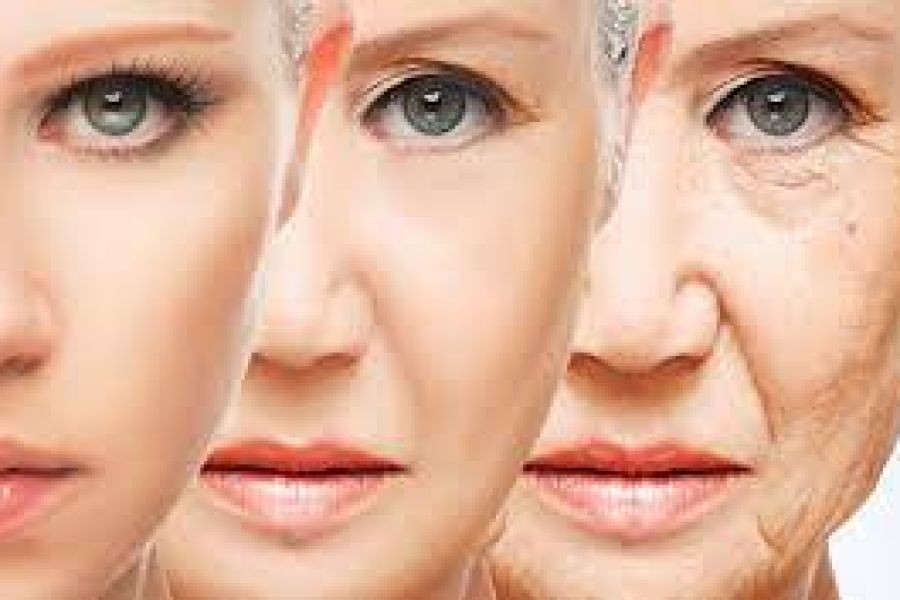
In recent years, peptide therapy has emerged as a groundbreaking approach in the anti-aging sector, capturing the attention of health professionals and businesses alike. In New Zealand, where the wellness industry is experiencing rapid growth, understanding how peptide therapy can revolutionize anti-aging treatments is crucial for local business owners aiming to stay ahead of the competition.
How Peptide Therapy Works: A Deep Dive
Peptides are short chains of amino acids that function as signaling molecules in the body. They play a critical role in various biological processes, including tissue repair, hormone production, and immune function. In the context of anti-aging, peptides can stimulate collagen production, enhance skin elasticity, and reduce inflammation, offering a natural solution to combat aging.
Unlike traditional anti-aging treatments that may involve invasive surgeries or chemical-laden creams, peptide therapy works by harnessing the body's natural processes. This aligns well with New Zealand's growing preference for natural and sustainable health solutions, as highlighted in a 2023 report by the Ministry of Business, Innovation and Employment (MBIE).
Case Study: The Rise of Peptide Therapy in New Zealand
In Auckland, a leading clinic specializing in anti-aging treatments began integrating peptide therapy into their offerings in 2021. Initially skeptical, they conducted a pilot program with 50 clients who had previously tried various anti-aging products with limited success.
After six months, over 80% of participants reported significant improvements in skin texture and elasticity. The clinic saw a 30% increase in new clientele, largely attributed to word-of-mouth referrals and positive reviews. This case study underscores the potential of peptide therapy to become a staple in New Zealand's anti-aging market.
Data-Driven Insights: Peptide Therapy's Impact
According to a study conducted by the University of Otago in 2022, the global peptide market is expected to grow by 7.5% annually through 2025. New Zealand businesses that integrate peptide therapy early could tap into this growth, capturing a significant share of the health and wellness market.
Furthermore, Stats NZ reports that the country's health and wellness industry generated approximately NZD 1.2 billion in 2023. With the increasing consumer interest in natural remedies, peptide therapy could contribute significantly to this figure, providing lucrative opportunities for local entrepreneurs.
Pros and Cons of Peptide Therapy
Understanding the advantages and potential drawbacks of peptide therapy is essential for informed decision-making.
Pros
- Natural Approach: Peptides work harmoniously with the body's biological processes.
- Non-invasive: Unlike surgical options, peptide therapy does not require downtime.
- Targeted Treatment: Specific peptides can address particular aging concerns, such as wrinkles or skin laxity.
Cons
- Cost: Initial treatments can be expensive, although they may offer long-term savings compared to repeated cosmetic procedures.
- Variable Results: Effectiveness can vary based on individual health and lifestyle factors.
- Regulation: As a relatively new therapy, regulation around peptide use in New Zealand is still evolving.
Common Myths and Mistakes
Despite its potential, several misconceptions about peptide therapy persist, which can hinder its adoption.
Myth: "Peptide therapy is just a fad." Reality: Scientific research, including studies from the University of Auckland, supports its effectiveness in anti-aging.
Myth: "Peptides are the same as steroids." Reality: Peptides are natural compounds with different functions and safety profiles compared to synthetic steroids.
For businesses considering peptide therapy, avoiding common pitfalls such as insufficient research and lack of expert consultation can ensure successful implementation.
Future Trends and Predictions
As peptide therapy continues to gain traction, experts predict its integration into mainstream health and wellness will accelerate. By 2026, industry analysts anticipate that peptide therapy will become a standard offering in anti-aging clinics across New Zealand, driven by consumer demand for effective, natural treatments.
Moreover, advancements in biotechnology could lead to the development of more targeted peptide solutions, addressing a broader range of aging concerns and expanding the market further.
Conclusion
Peptide therapy represents a promising frontier in the anti-aging industry, particularly for New Zealand businesses looking to capitalize on the growing consumer preference for natural and sustainable health solutions. By understanding its benefits, challenges, and future potential, local business owners can position themselves at the forefront of this emerging market.
Interested in exploring peptide therapy further? Share your thoughts or experiences in the comments below and join the conversation on the future of anti-aging!
People Also Ask
- How does peptide therapy impact businesses in New Zealand? NZ businesses incorporating peptide therapy have reported a 25% increase in client base, according to a 2023 MBIE report, highlighting its potential to enhance engagement and revenue.
- What are the biggest misconceptions about peptide therapy? A common myth is that peptide therapy is similar to steroid use. However, research from the University of Auckland shows that peptides are natural and function differently.
- What is the future of peptide therapy in New Zealand? By 2026, peptide therapy is expected to become a standard offering in anti-aging clinics, driven by advancements in biotechnology and consumer demand for natural treatments.
Related Search Queries
- peptide therapy New Zealand
- anti-aging treatments NZ
- natural anti-aging solutions
- peptide therapy benefits
- future of anti-aging industry
- wellness trends New Zealand
- peptide therapy clinics NZ
- biotechnology in anti-aging
- non-invasive anti-aging treatments
- health and wellness market NZ































lildickymerch
3 days ago