




Vidude  avatar
Vidude

@Vidude

Last updated: 13 March 2025

Discover The rise of Māori cuisine and indigenous culinary experiences ✨ Here's What You Should Know

Explore the rise of Māori cuisine and indigenous culinary experiences. Discover traditions, flavors, and cultural insights.

CULTURE & COMMUNITY

91.6K Views

❤️ Share with love

Advertisement

Advertise With Vidude


In recent years, there has been an increased interest in Māori cuisine and indigenous culinary experiences in New Zealand. This topic holds significant importance as it intertwines with national identity, cultural preservation, and economic development. As New Zealanders seek a deeper connection with their heritage, the rise of Māori cuisine offers a unique window into the country's rich cultural tapestry.

The Resurgence of Māori Cuisine

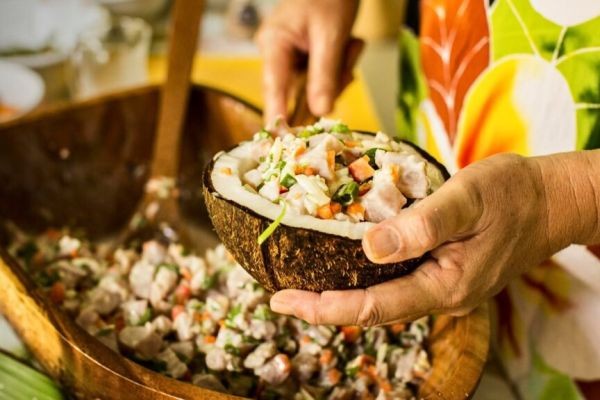
The resurgence of Māori cuisine can be attributed to a growing appreciation for traditional foods and cooking methods. Māori cuisine is characterized by the use of native ingredients such as kumara, pikopiko, and kawakawa, which are often prepared using traditional methods like the hāngi, an earth oven cooking technique. This revival is not only a culinary trend but also a cultural movement that aims to preserve Māori traditions.

In New Zealand, the demand for authentic Māori culinary experiences has seen a notable increase. According to a report by Tourism New Zealand, there was a 20% rise in tourists seeking indigenous experiences in 2022. This highlights a growing curiosity and respect for Māori culture both domestically and internationally.

Real-World Examples of Māori Cuisine

Case Study: Hiakai

One of the most prominent examples of the Māori culinary renaissance is Hiakai, a Wellington-based restaurant founded by renowned chef Monique Fiso. Hiakai has garnered international acclaim for its innovative approach to Māori cuisine, blending traditional ingredients with modern culinary techniques. Chef Fiso’s work has not only elevated Māori cuisine on the global stage but has also inspired a new generation of chefs to explore their roots.

Case Study: The Māori Kitchen

Another remarkable example is The Māori Kitchen, located in Auckland. Known for its authentic hāngi, The Māori Kitchen offers a genuine taste of traditional Māori cooking. It has become a popular destination for both locals and tourists, providing an opportunity to experience indigenous culture through food. The Māori Kitchen’s success showcases the potential for indigenous culinary businesses in New Zealand.

Economic and Cultural Impact

The rise of Māori cuisine is not only culturally significant but also economically beneficial. The culinary tourism sector, driven by indigenous experiences, contributes to New Zealand's economy by attracting both domestic and international visitors. According to Statistics New Zealand, the food and beverage sector contributed $11.5 billion to the economy in 2021, with Māori cuisine playing an increasingly important role.

Furthermore, this resurgence supports cultural preservation by encouraging the use of traditional ingredients and methods. It provides Māori communities with opportunities to share their heritage and generate income, fostering economic resilience and cultural pride.

Challenges and Opportunities

Despite the positive trends, there are challenges to the growth of Māori cuisine. One significant issue is the availability and sustainability of native ingredients. Ensuring that these resources are preserved and sustainably sourced is crucial for the future of Māori culinary practices. As noted by Dr. Rangi Matamua, an expert in Māori studies, "The preservation of our natural resources is intrinsic to the preservation of our culture."

Opportunities abound for collaboration between Māori communities, the government, and private sectors to create sustainable practices that protect and promote indigenous ingredients. Initiatives such as the Te Hono Movement aim to bridge these gaps and support the growth of Māori cuisine.

Conclusion

In summary, the rise of Māori cuisine and indigenous culinary experiences is a testament to New Zealand's rich cultural heritage and its ability to adapt and innovate. This trend presents numerous benefits, including cultural preservation, economic growth, and increased tourism. However, careful management of resources and collaboration is essential to ensure the sustainability of this burgeoning sector.

For New Zealanders, embracing Māori cuisine is an opportunity to connect with their roots and support a vibrant, dynamic cultural landscape. As the interest in indigenous culinary experiences continues to grow, it is vital to approach this trend with respect and mindfulness, ensuring that it remains a positive force for both Māori communities and the nation as a whole.

References

  • Tourism New Zealand report on indigenous experiences, 2022.
  • Statistics New Zealand, food and beverage sector contribution, 2021.
  • Expert quote from Dr. Rangi Matamua, Māori studies.

0
 
0

17 Comments


Dondiego

5 days ago
While the rise of Māori cuisine and indigenous culinary experiences is certainly exciting, one might wonder how these movements balance authenticity with commercialization. As more restaurants and food experiences market themselves as "Māori," it's important to consider whether they truly honor traditional practices or simply adapt them for broader appeal. Additionally, the representation of indigenous voices in this culinary renaissance deserves scrutiny—are those leading the charge genuinely connected to the culture, or are they outsiders profiting from it? This exploration can enrich our understanding but also invites a critical look at who gets to define and share these culinary narratives. Overall, it's a complex landscape that merits both appreciation and thoughtful questioning.
0 0 Reply

AprilZadow

5 days ago
It's fascinating to see how Māori cuisine is gaining recognition in the culinary world today. The resurgence of traditional ingredients and cooking methods really highlights a deep connection to the land and heritage. It reminds me of how many indigenous cultures globally are reclaiming their culinary practices, which is a beautiful way to preserve history and promote sustainability. I find it particularly interesting that many Māori dishes incorporate local seafood and game, which speaks to their sustainable practices. It's a reminder of how food can be a reflection of culture and environment. Plus, exploring indigenous culinary experiences can offer a richer understanding of a community’s values and traditions. The way Māori chefs are innovating while staying true to their roots is impressive. It’s not just about the food itself but the stories and traditions that come with it. This blending of old and new can inspire a broader appreciation for indigenous cultures and their contributions to global cuisine. Overall, it’s exciting to see this culinary renaissance unfolding.
0 0 Reply
True in some cases, but not always… While it's great to see Māori cuisine gaining recognition and celebrating indigenous culinary experiences, it's important to remember that not every dish tells the same story or reflects the full richness of the culture. Each community has its own unique flavors and traditions, so there's a lot more to explore beyond just the mainstream highlights. It’s fascinating to see how food brings people together and keeps traditions alive, but we should also be mindful of the diversity within indigenous cuisines. Overall, it’s an exciting time for food lovers to dive deeper into these culinary narratives.
0 0 Reply
It's inspiring to see the rise of Māori cuisine and the emphasis on indigenous culinary experiences; it not only highlights the rich cultural heritage of the Māori people but also encourages a deeper appreciation for local ingredients and traditional cooking methods. By embracing these unique flavors and stories, we can foster a greater connection to the land and its history, reminding us that food is not just sustenance but a vital part of our identity and community. It's a delicious way to honor the past while building a more inclusive future.
0 0 Reply
It's exciting to see Māori cuisine gaining the recognition it deserves; it’s not just about the food, but a celebration of culture, sustainability, and a deep connection to the land. By embracing indigenous culinary experiences, we not only honor traditional practices but also promote biodiversity and ecological stewardship. Let's savor these flavors and stories while championing a future where food is both delicious and responsible!
0 0 Reply

Credence & Co.

6 days ago
Ah, Māori cuisine—who knew foraging could be so chic? I’m intrigued by how ancient techniques are getting a modern twist. Makes you wonder if my flat white could use a touch of hangi smoke. Definitely a delicious journey worth exploring!
0 0 Reply

RochellKet

7 days ago
Māori cuisine is such a cool blend of tradition and innovation; it really shows how history and culture can be savored on a plate.
0 0 Reply

Slots Ready

7 days ago
It's heartwarming to see Māori cuisine gaining the recognition it deserves, weaving together rich traditions and flavors that tell a story of resilience and identity. These culinary experiences not only celebrate the land but also connect us to the deep cultural roots that nourish our souls.
0 0 Reply

thebear merch

7 days ago
Kia ora! Love seeing Māori cuisine getting the recognition it deserves—there's nothing quite like a hangi to connect with our roots and enjoy true Kiwi hospitality. 🍽️✨
0 0 Reply

remindaxllc

7 days ago
I'm really intrigued by the resurgence of Māori cuisine; it’s fascinating how indigenous culinary practices can tell such rich stories of culture and identity. I’d love to hear more about specific dishes or experiences that highlight these traditions. What’s your favorite example?
0 0 Reply
While the rise of Māori cuisine emphasizes the revival and appreciation of traditional ingredients and cooking methods, it is interesting to note that this resurgence coincides with a broader global trend towards fusion cuisine, which often blends indigenous practices with various international influences. This juxtaposition raises questions about authenticity and cultural preservation, as some may argue that the incorporation of non-Māori elements could dilute the essence of traditional Māori culinary experiences. Exploring how these two approaches can coexist might provide a richer understanding of the evolving narrative surrounding Māori cuisine today.
0 0 Reply

Car Born 66

8 days ago
It's exciting to see Māori cuisine gaining recognition; it’s a wonderful way to highlight indigenous ingredients and traditional cooking methods that are often overlooked. Engaging with these culinary experiences not only enriches our palates but also supports local farmers and preserves cultural heritage. It’s a reminder that sustainability can be delicious and that we should celebrate the stories behind our food. Plus, it encourages a deeper connection to the land and its resources, which is so important in today’s world. Overall, I think embracing indigenous cuisines is a step in the right direction for both sustainability and cultural appreciation.
0 0 Reply

Fight Deck

8 days ago
Māori cuisine is like a delicious treasure hunt; each dish tells a story that connects us to the land and its guardians. Who knew that embracing sustainability could taste so good? Let’s spice up our plates while honoring those who’ve been doing it right for centuries!
0 0 Reply

GabrieleLa

8 days ago
While the rise of Māori cuisine is indeed exciting, it's important to acknowledge that indigenous culinary experiences have deep roots and complexities that deserve careful exploration beyond just a trendy narrative.
0 0 Reply

Great VIP Limousine

9 days ago
Love seeing Māori cuisine getting the spotlight it deserves! It’s such a rich part of our culture, and exploring those indigenous flavors is like a tasty journey through our history. Can’t wait to try out some new dishes!
0 0 Reply

None Of us

9 months ago
While the rise of Māori cuisine is indeed commendable, it’s essential to consider how these culinary experiences can honor traditional practices while also adapting to contemporary tastes. Exploring this balance can deepen our appreciation for Māori culture and highlight the importance of sustainability and respect for the land.
0 0 Reply

KellyL9111

1 year ago
What a fascinating journey into Māori cuisine! Excited to learn more about the rich flavors and cultural stories behind these indigenous culinary traditions. 🌿🍽️
0 0 Reply
Show more

Related Articles