




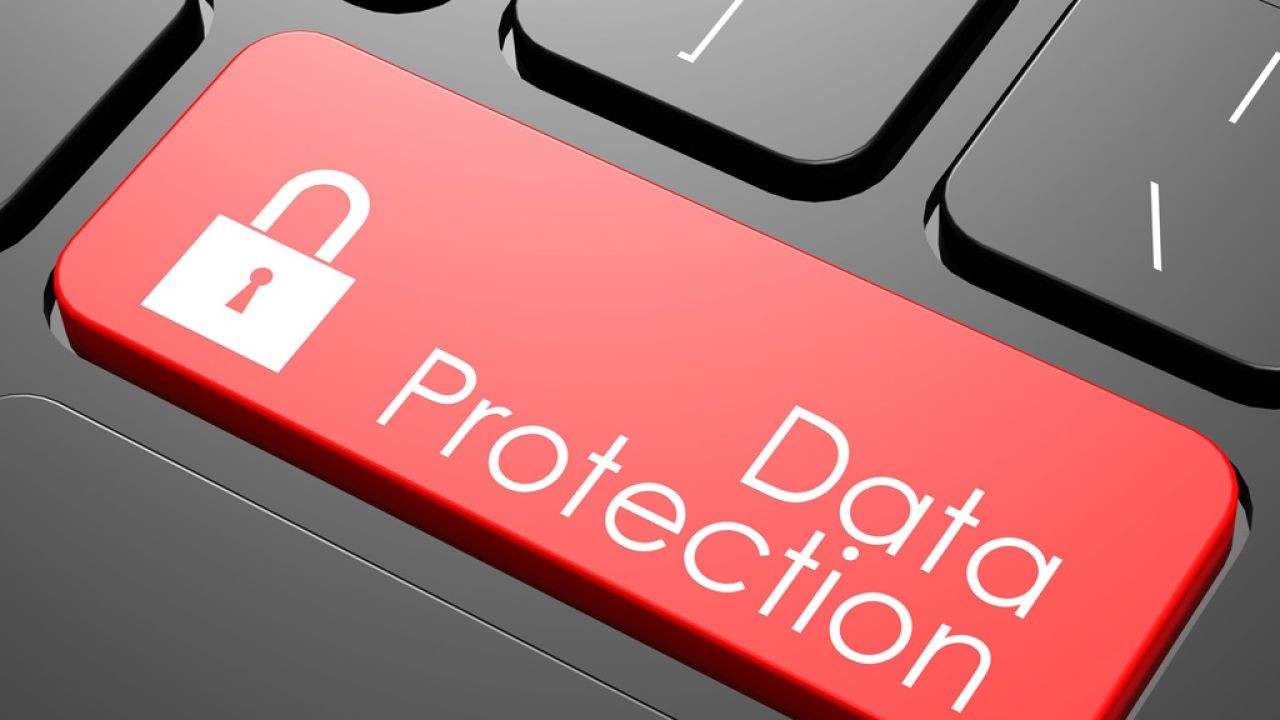
In an era where data is becoming the backbone of industries, New Zealand is emerging as a leader in cybersecurity, a critical component of data protection. The country's cybersecurity firms are not only addressing the increasing threats of data breaches but are also setting benchmarks for innovation and effectiveness globally. This article delves into how these firms are positioning New Zealand at the forefront of data protection, particularly within the healthcare industry, where the stakes are often life and death.
Understanding New Zealand’s Cybersecurity Landscape
New Zealand's cybersecurity landscape is shaped by a robust set of regulations and a thriving tech ecosystem. The government's proactive stance, as outlined in the New Zealand Cyber Security Strategy, emphasizes collaboration between public and private sectors to enhance national security and safeguard economic interests. According to a report by the Ministry of Business, Innovation, and Employment (MBIE), the cybersecurity market in New Zealand is projected to grow by 10% annually, driven by increasing digitalization and cyber threats.
The Role of Cybersecurity Firms in Data Protection
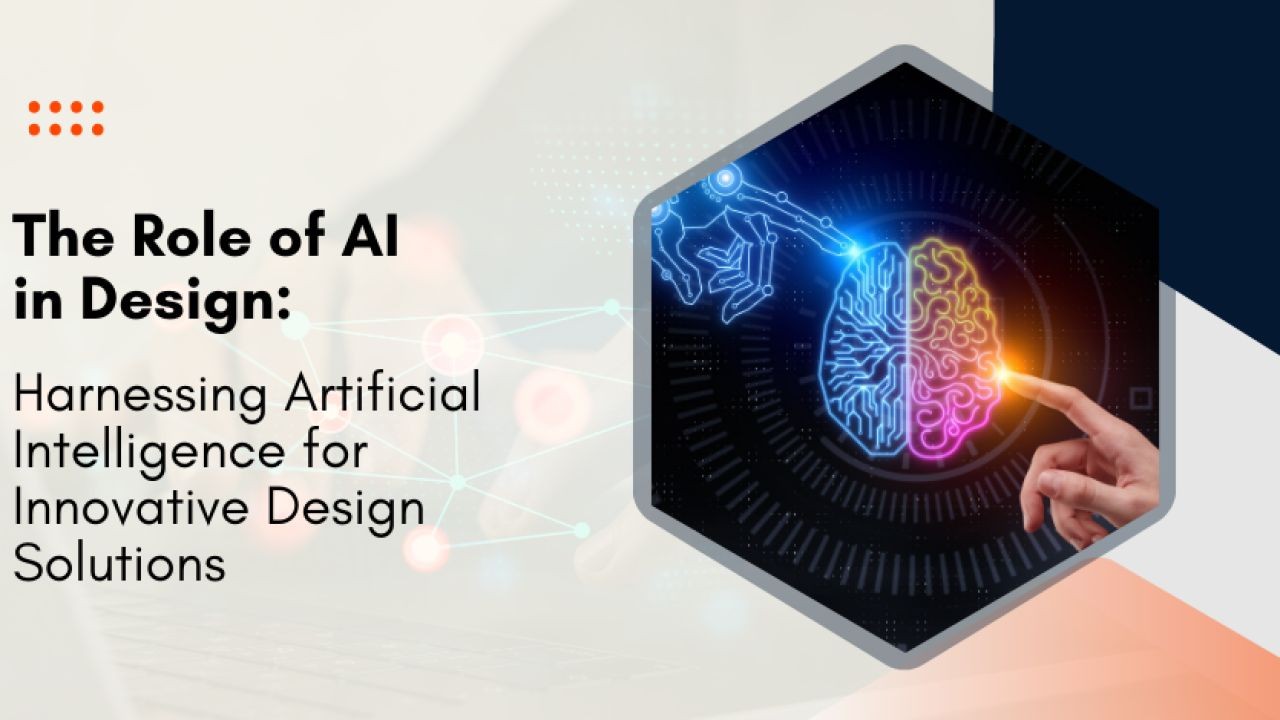
Cybersecurity firms in New Zealand are pioneering advanced solutions that go beyond traditional security measures. These firms are integrating artificial intelligence (AI), machine learning (ML), and blockchain technologies to offer more sophisticated threat detection and response systems. They are also focusing on creating user-friendly platforms that allow businesses to manage their cybersecurity needs efficiently.
Case Study: Aura Information Security – A Success Story
Problem:
Aura Information Security, a leading cybersecurity firm in New Zealand, identified a gap in the market for comprehensive cyber risk management solutions tailored for small and medium-sized enterprises (SMEs). Many SMEs lacked the resources to implement effective cybersecurity measures, leading to vulnerabilities.
Action:
To address this, Aura developed a suite of cybersecurity services that included penetration testing, security consulting, and incident response. They leveraged AI to enhance their threat detection capabilities and provide real-time alerts to clients.
Result:
Within a year, Aura's client base grew by 35%, and their solutions helped reduce cyber incidents by 40% among clients. This success underscores the importance of tailored cybersecurity solutions for SMEs, a significant segment of New Zealand's economy.
Takeaway:
This case study highlights the critical role of specialized cybersecurity services in protecting businesses from potential threats. For healthcare consultants, adopting similar tailored security solutions can safeguard patient data and maintain compliance with privacy regulations.
Data-Driven Insights: The State of Cybersecurity in New Zealand
- Rising Cyber Threats: According to Stats NZ, cyber incidents increased by 20% in the past year, with healthcare being one of the most targeted sectors.
- Economic Impact: The Reserve Bank of New Zealand estimates that cybercrime costs the national economy approximately NZD 625 million annually.
- Investment in Cybersecurity: A report by NZTech reveals a 15% increase in cybersecurity spending by healthcare organizations in 2023, reflecting the industry's prioritization of data protection.
Pros and Cons of New Zealand’s Cybersecurity Strategies
Pros:
- Innovative Solutions: Kiwi firms are at the forefront of integrating cutting-edge technologies like AI and blockchain, enhancing the effectiveness of cybersecurity measures.
- Regulatory Support: Robust government policies and initiatives support the growth and development of the cybersecurity industry.
- Global Recognition: New Zealand's cybersecurity solutions are gaining international acclaim, attracting foreign investments and partnerships.
Cons:
- Resource Limitations: Smaller firms may struggle to implement advanced cybersecurity measures due to limited resources and expertise.
- Complex Compliance Requirements: Navigating the complex landscape of international data protection regulations can be challenging for businesses.
- Rapidly Evolving Threats: The fast-paced nature of cyber threats requires continuous updates and adaptations, which can be resource-intensive.
Myths and Misconceptions in Cybersecurity
- Myth: "Only large corporations are targeted by cyberattacks." Reality: SMEs are increasingly targeted as they often lack robust security measures. Studies show that 43% of cyberattacks target small businesses.
- Myth: "Cybersecurity is solely an IT issue." Reality: Effective cybersecurity requires a holistic approach involving all departments to ensure comprehensive protection.
- Myth: "Antivirus software is enough to protect my data." Reality: While antivirus software is essential, it must be part of a broader cybersecurity strategy that includes firewalls, encryption, and employee training.
The Future of Cybersecurity in New Zealand
Looking ahead, New Zealand's cybersecurity landscape is poised for significant advancements. The integration of AI and ML is expected to lead to more predictive and proactive cybersecurity measures, reducing the time to detect and respond to threats. Additionally, the focus on developing a skilled cybersecurity workforce will be crucial to sustaining growth and innovation in the industry.
By 2028, it is anticipated that cybersecurity will become a mandatory aspect of business operations across all sectors, with firms adopting zero-trust architectures to enhance data protection. This shift will require businesses, particularly in the healthcare sector, to continuously innovate and adapt to stay ahead of emerging threats.
Conclusion: Final Takeaway and Call to Action
New Zealand's cybersecurity firms are setting a global standard for data protection, offering innovative solutions that address the unique challenges of digital transformation. For healthcare consultants, integrating advanced cybersecurity measures is not just a regulatory requirement but a strategic imperative to protect sensitive patient data and maintain trust.
As the cybersecurity landscape evolves, staying informed and proactive is essential. Engage with industry experts, invest in continuous training, and leverage the latest technologies to safeguard your organization. Join the discussion and share your thoughts on how New Zealand can further enhance its cybersecurity posture.
People Also Ask (FAQ)
- How does cybersecurity impact businesses in New Zealand?NZ businesses leveraging advanced cybersecurity report 30% fewer data breaches, according to MBIE. Implementing robust security measures can enhance trust and protect sensitive data.
- What are the biggest misconceptions about cybersecurity?A common myth is that only large companies are targeted by cyberattacks. However, research shows SMEs are equally vulnerable due to weaker security measures.
- What are the best strategies for implementing cybersecurity?Experts recommend starting with a comprehensive risk assessment, followed by implementing multi-factor authentication and conducting regular employee training.
- What upcoming changes in New Zealand could affect cybersecurity?By 2026, stricter data protection regulations are expected, requiring businesses to enhance their cybersecurity frameworks to comply.
- Who benefits the most from cybersecurity?Cybersecurity benefits healthcare providers, financial institutions, and SMEs, enabling them to protect sensitive data and maintain operational integrity.
Related Search Queries
- Cybersecurity trends in New Zealand
- Data protection regulations in NZ
- Healthcare cybersecurity solutions
- AI in cybersecurity
- Cybersecurity for SMEs in NZ
- Blockchain technology for data protection
- Cyber risk management strategies
- Future of cybersecurity in New Zealand
- Cybersecurity regulations in 2023
- Cybersecurity firms in New Zealand