




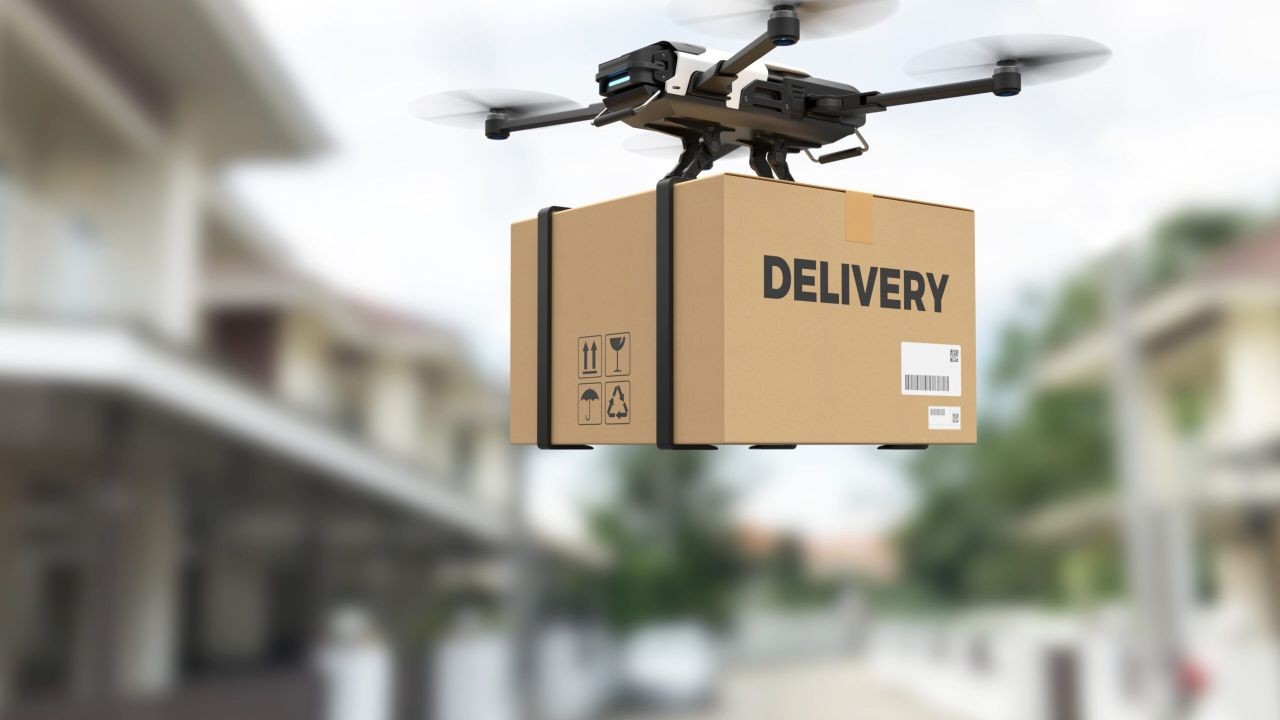
The future of logistics in Australia is on the verge of a transformative shift, with drones poised to replace traditional delivery trucks. This potential revolution is not just a technological advancement; it's a beacon of sustainability, efficiency, and economic opportunity. But how did we get here, and what does the future hold for drone delivery in Australia? Let's explore the historical context, current trends, and the promising future of drones in logistics.
The Evolution of Delivery: From Trucks to Drones
Historically, Australia's vast landscapes and sparse population centers have posed unique logistical challenges. Traditional delivery trucks have been the backbone of freight and consumer deliveries, but they come with environmental and economic costs. According to the Australian Bureau of Statistics (ABS), transportation accounts for nearly 20% of Australia's greenhouse gas emissions, with trucks being significant contributors.
Enter drones—a technology that, while once confined to military and recreational use, is now a burgeoning player in the delivery sector. The shift towards drone delivery is fueled by the need to reduce carbon footprints, enhance delivery efficiency, and meet the growing demand for faster, more reliable service.
Australia's Commitment to Innovation and Sustainability
Australia's commitment to sustainability and innovation is evident in its policies and economic strategies. The Australian government has set ambitious targets for reducing carbon emissions, with a goal to achieve net zero emissions by 2050. Drones offer a compelling solution, potentially reducing emissions by up to 60% compared to traditional delivery methods.
Moreover, the Australian Competition & Consumer Commission (ACCC) has been proactive in supporting innovations that promise consumer benefits, such as improved delivery times and reduced costs. This regulatory support is crucial for the widespread adoption of drone technology in logistics.
Case Study: Wing Aviation - A Pioneer in Australian Drone Delivery
One of the most compelling examples of drone delivery in action is Wing Aviation, a subsidiary of Alphabet Inc. Wing has been conducting drone delivery trials in Canberra and Logan, Queensland, with remarkable success. These trials have demonstrated not only the feasibility but also the consumer demand for drone deliveries.
Problem: Traditional delivery methods in suburban areas like Logan were facing increasing congestion and environmental impact.
Action: Wing introduced a drone delivery service, offering deliveries of small packages within minutes. This service included items like coffee, groceries, and over-the-counter medications.
Result: Wing's drones have completed over 100,000 deliveries, reducing the reliance on delivery trucks and the associated carbon emissions. Consumer feedback has been overwhelmingly positive, with users praising the speed and convenience of the service.
Takeaway: Wing's success underscores the potential for drones to revolutionize urban logistics in Australia, paving the way for broader adoption across the country.
Economic Impact and Job Creation
The adoption of drone technology in logistics is not just an environmental imperative; it's an economic opportunity. The Reserve Bank of Australia (RBA) notes that technological advancements can drive job creation, particularly in emerging sectors like drone logistics. This shift could create thousands of jobs in drone manufacturing, maintenance, and operations.
Moreover, the increased efficiency and reduced costs associated with drone deliveries could benefit Australian businesses, particularly small and medium enterprises (SMEs), which could see improved profit margins and customer satisfaction.
Regulatory Insights and Challenges
While the potential benefits are significant, the path to widespread drone delivery is not without challenges. Regulatory frameworks must evolve to accommodate the safe and efficient use of drones in urban environments. The Civil Aviation Safety Authority (CASA) in Australia has been actively working on regulations to ensure the safe integration of drones into national airspace.
These regulations focus on ensuring public safety, privacy, and the equitable use of airspace. Navigating these regulatory landscapes will be crucial for companies looking to capitalize on drone delivery technology.
The Global Perspective and Its Implications for Australia
Globally, companies like Amazon and UPS have been at the forefront of drone delivery trials, setting a precedent for what's possible. In the United States, the Federal Aviation Administration (FAA) has granted approval for drone deliveries, showcasing a model that Australia could follow to expedite its adoption process.
The lessons learned from global pioneers are invaluable for Australia. By observing international successes and challenges, Australia can tailor its approach to optimize drone delivery systems, ensuring they are both effective and sustainable.
Pros and Cons of Drone Deliveries
Similar to any technological innovation, drone deliveries come with their set of pros and cons. Understanding these can help stakeholders make informed decisions.
Pros:
- Environmental Benefits: Significant reduction in carbon emissions compared to traditional delivery methods.
- Efficiency: Faster delivery times, especially in urban areas, enhancing customer satisfaction.
- Cost-Effective: Potential to reduce delivery costs for businesses, leading to lower prices for consumers.
- Job Creation: New job opportunities in drone technology sectors.
Cons:
- Regulatory Hurdles: Navigating complex regulatory frameworks can delay implementation.
- Privacy Concerns: Potential for drones to infringe on personal privacy without proper regulations.
- Technical Limitations: Current technology may have limitations in payload capacity and range.
Myths and Misconceptions about Drone Deliveries
Despite the potential benefits, several myths persist about drone deliveries. Let's debunk some common misconceptions:
Myth: Drones are too expensive for widespread use.
Reality: While initial investments can be high, the long-term cost savings from reduced fuel and maintenance costs make drones a cost-effective solution.
Myth: Drones are not reliable for deliveries.
Reality: Technological advancements have made drones highly reliable, with sophisticated navigation systems and backup protocols ensuring successful deliveries.
Myth: Drone deliveries are unsafe.
Reality: With stringent regulations and advanced safety features, drones are proving to be a safe method for deliveries, especially in controlled environments.
Future Trends and Predictions
The future of drone deliveries in Australia is bright, with several trends indicating a positive trajectory:
- Increased Urban Adoption: As technology advances, drones will become a common sight in urban areas, reducing congestion and improving air quality.
- Technological Innovations: Advancements in AI and battery technology will enhance drone capabilities, making them more efficient and reliable.
- Regulatory Evolution: As regulations adapt to technological changes, the barriers to drone adoption will decrease, encouraging more businesses to integrate drones into their logistics operations.
By 2030, it's predicted that drones could handle up to 30% of all deliveries in Australia, significantly reducing the reliance on traditional delivery methods.
Conclusion: Embracing the Future
The potential for drones to replace delivery trucks in Australia is not just a futuristic dream; it's a tangible reality on the horizon. With the environmental, economic, and efficiency benefits, drones present a compelling case for the future of logistics. As Australia continues to embrace innovation and sustainability, the integration of drones into the logistics landscape is not just likely—it's inevitable.
To stay ahead of the curve, businesses and policymakers must work collaboratively to address regulatory challenges, invest in technological advancements, and educate consumers about the benefits of drone deliveries. The journey toward a more sustainable and efficient future is just beginning, and drones are poised to lead the charge.
What are your thoughts on the future of drone deliveries in Australia? Share your insights and join the conversation!
People Also Ask (FAQs)
How does drone delivery impact businesses in Australia? Drone delivery can significantly enhance efficiency and reduce costs for Australian businesses. By leveraging drones, businesses can offer faster delivery times, which increases customer satisfaction and retention.
What are the biggest misconceptions about drone deliveries? A common misconception is that drone deliveries are unsafe. However, with stringent regulations and advanced safety features, drones are proving to be a safe and reliable delivery method.
What are the best strategies for implementing drone deliveries? Experts recommend starting with pilot programs in low-risk areas, collaborating with regulatory bodies to ensure compliance, and investing in technology to enhance drone capabilities.
What upcoming changes in Australia could affect drone deliveries? By 2026, evolving regulations and technological advancements could significantly impact the landscape of drone deliveries, making them more widespread and efficient.
Who benefits the most from drone deliveries? Retailers, logistics companies, and consumers all stand to benefit from drone deliveries, with faster delivery times, reduced costs, and lower environmental impact.
Related Search Queries
- Drone delivery companies in Australia
- Benefits of drone delivery
- Environmental impact of drone delivery
- Regulations for drones in Australia
- Future of drone technology
- Drone delivery case studies
- Sustainability and drones
- Economic impact of drone logistics
- Drone delivery trends 2025
- Challenges of drone delivery in Australia