



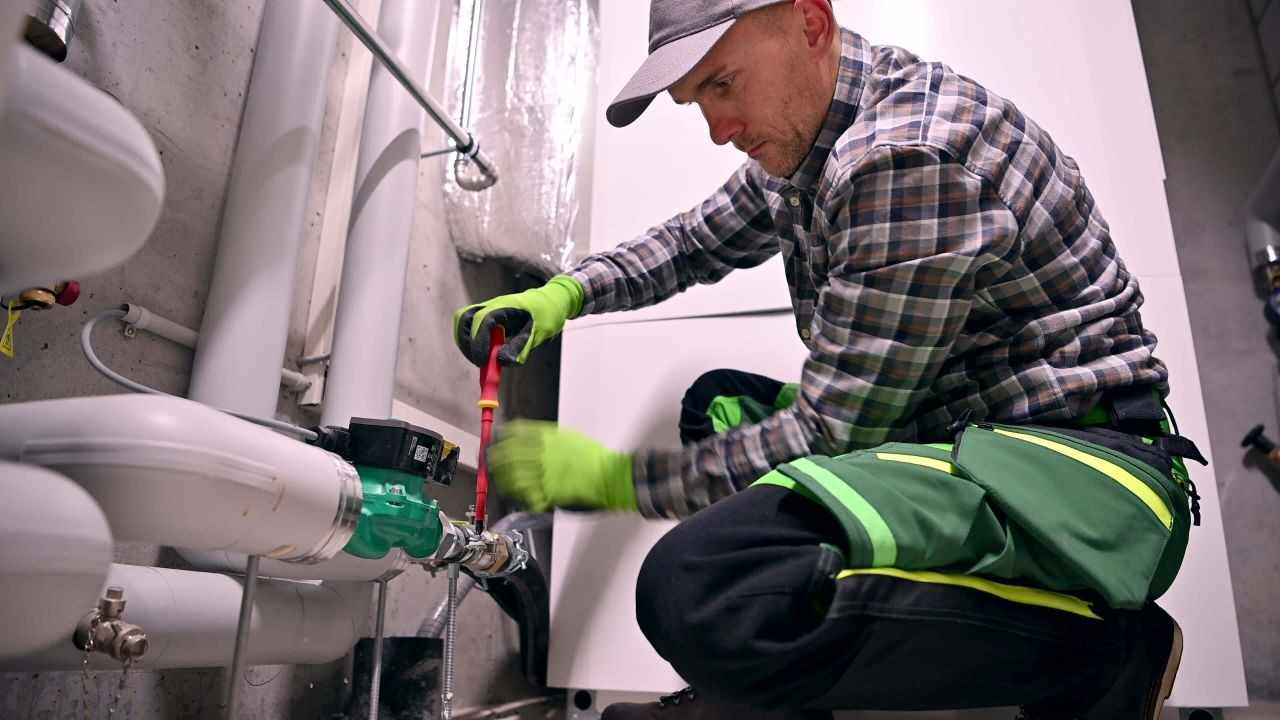
In the pristine landscapes of New Zealand, where the majesty of nature is often juxtaposed with the intricacies of modern living, the art of plumbing holds a unique significance. With the country's penchant for DIY, many Kiwis pride themselves on their ability to tackle minor home repairs. However, plumbing remains one of those critical areas where precision, expertise, and sometimes, professional intervention are essential. But before you decide to hire a tradie, there are indispensable video guides every NZ homeowner should watch. These guides not only equip you with knowledge but can also save you a significant sum of money.
The Plumbing Predicament: A New Zealand Context
Imagine Sarah, a homeowner in Auckland, who recently discovered a leaking pipe in her basement. With water bills soaring and the risk of water damage looming, the urgency to fix the problem was undeniable. Like many, she faced the dilemma: should she attempt a DIY repair with guidance from online videos, or hire a professional plumber? This scenario is not unique to Sarah. According to Stats NZ, plumbing-related expenses account for a substantial portion of annual home maintenance costs, a figure exacerbated by New Zealand's unique housing stock, which often includes older homes with outdated plumbing systems.
Expert Insights: The Real Cost of Professional Plumbing
Hiring a professional plumber in New Zealand can be expensive. According to a report from the Reserve Bank of New Zealand, the average hourly rate for a plumber can range anywhere from NZD 90 to NZD 125, not including call-out fees or additional materials. While this cost is justified by the expertise and guaranteed workmanship provided by licensed plumbers, it's clear that a DIY approach, when feasible, can result in significant savings.
Case Study: The Value of Video Guides
Consider the case of Mike, a Wellington resident, who faced a similar plumbing issue as Sarah. Instead of immediately hiring a professional, Mike turned to video guides. By investing a few hours watching detailed plumbing tutorials, he managed to fix a minor pipe leak himself, saving over NZD 200 in professional fees. This decision was not only cost-effective but also empowering, as Mike gained valuable skills for future repairs.
The Pros and Cons of DIY Plumbing
Before you dive headfirst into DIY plumbing, it's crucial to weigh the pros and cons. While video guides are an excellent resource, they are not a one-size-fits-all solution.
Pros:
- Cost Savings: Tackling minor repairs yourself can save you significant money on labor costs.
- Skill Development: DIY projects enhance your problem-solving skills and increase your understanding of home systems.
- Immediate Solutions: You have the flexibility to address issues promptly without waiting for professional availability.
Cons:
- Risk of Error: Without professional training, there's a higher chance of errors that could lead to more serious problems.
- Limited Scope: Some plumbing issues are too complex for DIY repairs and require professional intervention.
- Time Investment: Learning and executing repairs can be time-consuming.
Myths and Misconceptions in Plumbing Repairs
There are several myths surrounding plumbing repairs that can mislead homeowners. It's essential to debunk these to make informed decisions.
Myth 1: All Leaks Are Easily Fixable
Reality: While some leaks are simple to repair, others may require specialized tools and expertise to fix. Ignoring complex leaks can lead to severe water damage.
Myth 2: Professional Plumbers Are Always the Best Option
Reality: While professional plumbers provide expertise and reliability, many minor issues can be resolved with the help of comprehensive video guides, saving you money in the process.
Myth 3: DIY Plumbing Is Unsafe
Reality: With the right precautions and guidance, many plumbing tasks can be safely executed by homeowners.
Future Trends in Plumbing: The Rise of Smart Technology
As technology evolves, so does the field of plumbing. The integration of smart home technology is set to revolutionize the way we handle plumbing at home. Smart leak detectors, for instance, can notify homeowners of potential issues before they become significant problems. The Ministry of Business, Innovation and Employment (MBIE) predicts an increase in the adoption of such technologies, which could reduce the need for emergency plumbing services and lead to cost savings for homeowners.
Final Takeaways
- Leverage Video Guides: Before calling a tradie, explore video tutorials for minor repairs to save on costs.
- Know When to Call a Professional: For complex issues, hiring a licensed plumber remains the best course of action.
- Embrace Technology: Consider investing in smart plumbing technology to prevent and manage issues proactively.
As you navigate the world of plumbing repairs, remember that informed decisions can lead to significant savings and enhanced home management skills. Are you ready to tackle your next plumbing challenge with confidence?
People Also Ask
- How do plumbing video guides impact homeowners in New Zealand? Video guides empower NZ homeowners to tackle minor repairs, potentially saving on costly professional fees and enhancing DIY skills.
- What are common misconceptions about plumbing repairs? A widespread myth is that all leaks can be easily fixed; however, some require professional expertise to avoid long-term damage.
- What future changes could affect plumbing in New Zealand? The rise of smart plumbing technology could shift how homeowners manage repairs, offering proactive solutions and reducing emergency service needs.
Related Search Queries
- DIY plumbing tips New Zealand
- Best plumbing video guides NZ
- When to hire a plumber in NZ
- Cost of plumbing services in New Zealand
- Smart plumbing technology NZ
For the full context and strategies on Plumbing Video Guides Every NZ Homeowner Should Watch Before Hiring a Tradie, see our main guide: Construction Safety Training Nz.