




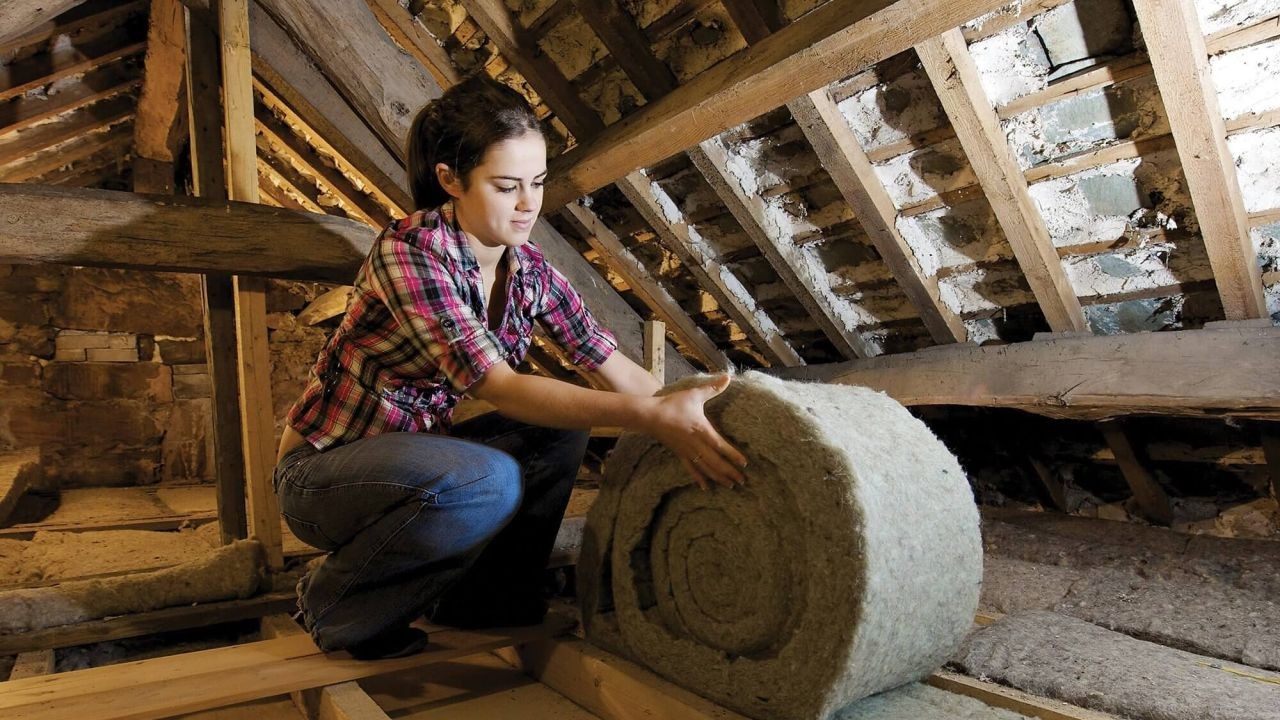
In a world increasingly aware of climate change and sustainability, home insulation has emerged as a critical factor for both environmental and economic reasons. For New Zealand families, this issue takes on a unique significance due to the country's specific climate challenges and energy costs. Fortunately, home insulation grants are available to assist Kiwi families in making their homes more energy-efficient without breaking the bank. This article explores the current landscape of home insulation grants, their impact on New Zealand families, and the future trends that could redefine how we think about home insulation.
Future Forecast & Trends: The Rise of Home Insulation in New Zealand
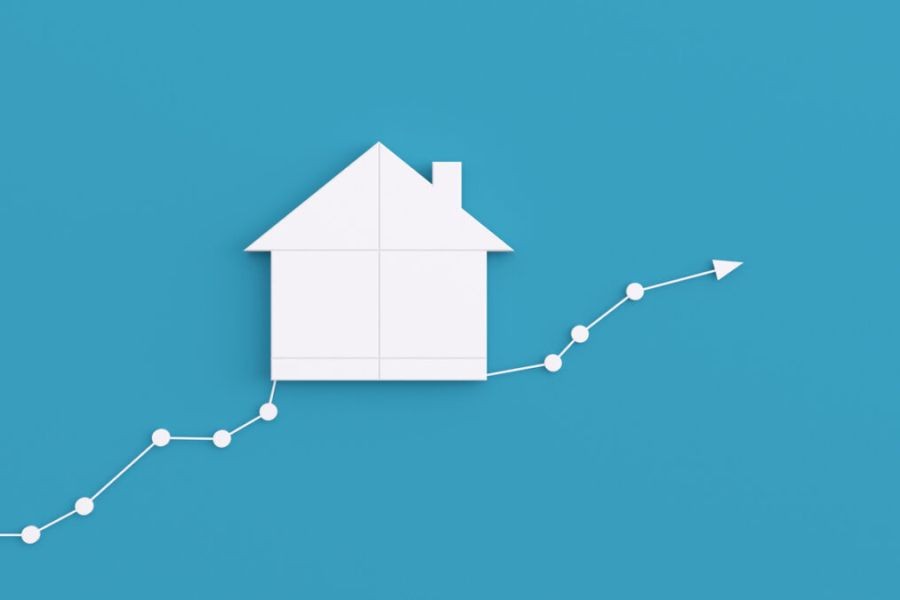
Did you know that approximately 50% of a typical New Zealand household's energy consumption is used for heating and cooling? According to Stats NZ, improving home insulation can significantly reduce energy consumption, leading to lower utility bills and a reduced carbon footprint. With the government's push towards a carbon-neutral economy by 2050, the emphasis on energy-efficient homes is stronger than ever.
Currently, the New Zealand government, through the Energy Efficiency and Conservation Authority (EECA), offers the Warmer Kiwi Homes program. This initiative provides grants covering up to 90% of the cost for ceiling and underfloor insulation. The benefits are twofold: improving living conditions for families and contributing to national energy conservation goals.
Debate & Contrasting Views: The Cost-Benefit Analysis
While the advantages of home insulation are clear, there remains a debate about the cost-effectiveness of such investments. Critics argue that the initial upfront costs, even with grants, can be prohibitive for low-income families. However, advocates highlight that the long-term savings on energy bills and increased home comfort outweigh these initial expenses.
For instance, a study by the University of Auckland found that homes with proper insulation save up to 30% on energy bills annually. Moreover, well-insulated homes tend to have higher property values, which can be a significant financial advantage in New Zealand's competitive real estate market.
Expert Opinion & Thought Leadership: Insights from Industry Leaders
Dr. Oliver Green, a public health expert, emphasizes the health benefits of proper home insulation. "Cold and damp homes can lead to respiratory illnesses, particularly in children and the elderly," he states. "Investing in insulation not only makes financial sense but also promotes better health outcomes."
From an industry perspective, New Zealand's burgeoning green technology sector is poised to benefit from the increased demand for sustainable housing solutions. Companies specializing in eco-friendly insulation materials are seeing a surge in interest, reflecting a broader trend towards sustainable living.
Real-World Case Studies: Successful Implementation in New Zealand
Case Study: Wellington Family – Overcoming the Cold
Problem: A family in Wellington was struggling with high energy bills and a cold, damp home.
- Their home lacked adequate insulation, leading to health issues and discomfort.
- Industry data showed that poorly insulated homes in Wellington led to a 20% higher incidence of respiratory illnesses.
Action: The family applied for the Warmer Kiwi Homes grant and installed ceiling and underfloor insulation.
- They worked with a local contractor to ensure high-quality installation.
Result: Within six months, the family reported significant improvements:
- Energy bills reduced by 35%
- Indoor air quality improved, with fewer health issues reported
- Home value increased by approximately 10%
Takeaway: This case study underscores the value of government grants in making home insulation accessible and beneficial for families. As New Zealand moves towards eco-friendly solutions, such initiatives will play a crucial role in achieving sustainability goals.
Common Myths & Mistakes: Debunking Misconceptions
Myth: "Insulation is only necessary for new homes."
Reality: Older homes are more likely to lack proper insulation, making upgrades essential for energy efficiency and comfort (Source: EECA).
Myth: "Insulation grants cover the entire cost."
Reality: While grants can cover up to 90% of the cost, some expenses may still fall on the homeowner (Source: Warmer Kiwi Homes Program).
Myth: "Insulation doesn't impact health."
Reality: Proper insulation reduces moisture and cold, significantly lowering the risk of respiratory illnesses (Source: University of Auckland Health Study).
Pros and Cons Analysis: Evaluating Home Insulation Grants
Pros:
- Cost Savings: Reduce energy bills by up to 30% annually.
- Health Benefits: Improved indoor air quality and reduced health risks.
- Environmental Impact: Contributes to national energy conservation goals.
- Property Value: Increases the resale value of homes.
Cons:
- Initial Costs: Some upfront investment may be required.
- Eligibility Criteria: Not all families may qualify for grants.
- Installation Disruption: Short-term inconvenience during installation.
Future Trends & Predictions: The Evolving Landscape of Home Insulation
By 2030, it is predicted that 80% of New Zealand homes will have undergone some form of energy-efficient upgrade, driven by government incentives and increased public awareness (Source: MBIE Energy Report 2023). As technology advances, innovations like smart insulation systems that adapt to weather conditions will become commonplace, further enhancing energy efficiency.
Additionally, the trend towards sustainable living will continue to grow, with more families prioritizing eco-friendly home improvements. This shift presents an opportunity for New Zealand's green tech industry to innovate and expand, creating new jobs and boosting the economy.
Conclusion: Final Takeaway & Call to Action
In conclusion, home insulation grants offer a valuable opportunity for Kiwi families to enhance their living conditions, reduce energy costs, and contribute to a more sustainable future. As we look ahead, the importance of energy efficiency in homes will only grow, driven by both economic and environmental factors.
What’s your next move? Are you ready to make your home more energy-efficient and sustainable? Apply for the Warmer Kiwi Homes grant today and join the movement towards a greener New Zealand!
People Also Ask (FAQ)
How do home insulation grants benefit New Zealand families?
Home insulation grants reduce energy bills, improve health outcomes by enhancing indoor air quality, and increase property values, benefiting New Zealand families economically and environmentally.
What are the biggest misconceptions about home insulation grants?
One common myth is that insulation grants cover all costs. However, grants typically cover up to 90% of the cost, with some expenses still falling on homeowners (Source: EECA).
What are the best strategies for implementing home insulation in New Zealand?
Experts recommend starting with an energy audit, applying for available grants, and working with certified contractors to ensure high-quality installation and maximum energy efficiency.
Related Search Queries
- New Zealand home insulation grants
- Warmer Kiwi Homes program
- Energy efficiency in New Zealand homes
- Sustainable living in New Zealand
- Government incentives for home insulation
- Impact of insulation on property value
- Health benefits of home insulation
- Cost of home insulation in New Zealand
- Future trends in home insulation
- Green technology in New Zealand
For the full context and strategies on Home Insulation Grants for Kiwi Families Explained, see our main guide: Tradie Video Marketing Social Media Nz.