






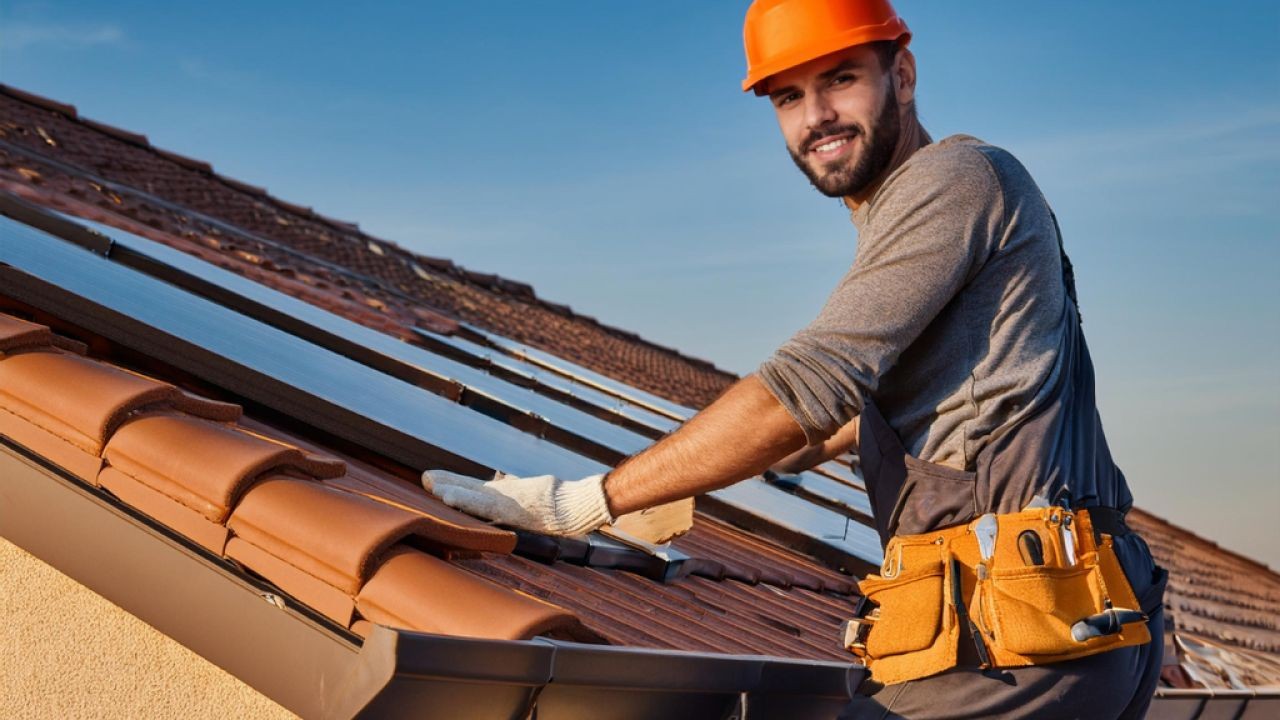
When faced with the need to select a reliable roofer in New Zealand's North Island, the task can seem daunting given the multitude of options and the critical nature of roofing projects. With the country's unique climate and regulatory framework, making an informed decision is paramount. This guide will provide a comprehensive approach to help management consultants and decision-makers navigate this process effectively, ensuring quality outcomes and a strong return on investment (ROI).
Step-by-Step Guide to Choosing a Reliable Roofer in North Island NZ
1. Understand the Local Context
- Climate Considerations: New Zealand's North Island is known for its diverse climate, which can be taxing on roofing materials. According to NIWA, the region experiences an average of 7.3 extreme weather events annually, emphasizing the need for durable roofing solutions.
- Regulatory Framework: Familiarize yourself with local building codes and standards set by the New Zealand Building Code. This ensures compliance and reduces the risk of costly legal issues.
2. Assess Credentials and Experience
- Licensing: Verify that the roofer holds the necessary licenses and certifications. The Licensed Building Practitioner (LBP) scheme is crucial for ensuring that builders meet national standards.
- Experience: Seek out roofers with a proven track record in handling similar projects. Experience in the North Island's specific climate conditions is a significant advantage.
3. Evaluate References and Past Work
- References: Request contact information for past clients and follow up with them. Inquire about their satisfaction with the work quality, timeline adherence, and communication.
- Portfolio Review: Examine the roofer’s portfolio to assess the quality and diversity of their past projects. Look for consistency in quality and attention to detail.
4. Obtain Detailed Quotes
- Comprehensive Quotes: Ensure that quotes are detailed, covering all aspects of the project from labor to materials. This helps avoid hidden costs and allows for transparent comparison.
- Cost vs. Value Analysis: While cost is important, focus on the value offered. A higher initial investment may yield better long-term performance and lower maintenance costs.
5. Consider Warranties and Aftercare Services
- Warranties: A solid warranty on materials and workmanship is a hallmark of a reliable roofer. Verify the terms and duration of these warranties.
- Aftercare Services: Determine if the roofer provides ongoing maintenance services. Regular maintenance can extend the life of your roof and enhance performance.
Case Study: Successful Roofing Project in Auckland
Problem:
ABC Construction, a mid-sized construction firm in Auckland, faced challenges with a previous roofing contractor who delivered subpar work, leading to leaks and client dissatisfaction. This not only affected their reputation but also resulted in financial losses due to repair costs.
Action:
ABC Construction adopted a stringent selection process based on the aforementioned guide. They shortlisted roofers with extensive experience in the Auckland climate, verified licenses and certifications, and conducted thorough reference checks.
Result:
- Quality Improvement: The new contractor delivered a project with zero defects, significantly enhancing client satisfaction.
- Cost Savings: ABC Construction reduced repair costs by 30%, thanks to the increased durability of the new roofing solution.
Takeaway:
This case highlights the importance of a structured selection process in mitigating risks and enhancing project outcomes. For North Island businesses, adopting a similar approach can lead to improved quality and financial performance.
Pros vs. Cons of Hiring Local vs. National Roofing Companies
Pros of Local Companies:
- Knowledge of Local Conditions: Local roofers are familiar with specific weather patterns and building codes.
- Community Reputation: Their reputation within the community can be easily verified.
- Flexibility and Responsiveness: They often offer more personalized service and faster response times.
Cons of Local Companies:
- Limited Resources: May lack the advanced technology or resources of larger national companies.
- Variable Quality: Quality can vary significantly between local providers.
Pros of National Companies:
- Access to Advanced Resources: Often have access to the latest technology and materials.
- Standardized Processes: Consistent quality and processes can be expected across locations.
Cons of National Companies:
- Less Personalization: May offer less personalized service compared to local companies.
- Higher Costs: Can be more expensive due to overhead and brand premiums.
Future Trends in the New Zealand Roofing Industry
According to a report by MBIE, there is a growing trend towards sustainable roofing materials, driven by increasing environmental awareness and regulatory pressures. By 2026, it is expected that 40% of new roofing projects in New Zealand will incorporate eco-friendly materials. This shift presents both opportunities and challenges for roofing companies, necessitating adaptation and innovation to remain competitive.
Common Myths & Mistakes in Selecting a Roofer
Myth: All Roofers Are the Same
Reality: There is significant variation in quality, expertise, and reliability among roofers. Thorough vetting is essential to identify the best fit for your project.
Myth: The Cheapest Option is Best
Reality: While cost is a factor, the cheapest bid often results in poor quality and higher long-term costs due to frequent repairs.
Mistake: Ignoring Maintenance Services
Solution: Prioritize roofers who offer comprehensive aftercare services, as regular maintenance is crucial for long-term performance and cost savings.
Final Takeaways
- Conduct thorough research and vetting to ensure high-quality roofing outcomes.
- Consider local climate and regulatory requirements in your selection process.
- Prioritize value over cost to maximize long-term ROI and minimize maintenance expenses.
- Stay informed about industry trends, such as the shift towards sustainable materials, to future-proof your investment.
Conclusion
Choosing the right roofer in North Island NZ involves more than just cost considerations. By following a structured approach that includes understanding local conditions, assessing credentials, and evaluating aftercare, you can ensure quality outcomes and a strong ROI. As the industry evolves, staying informed about trends such as sustainable materials will be crucial. Share your experiences or questions in the comments below to foster a community of informed decision-makers.
People Also Ask
- How does the local climate impact roofing choices in North Island NZ? The diverse climate, including frequent extreme weather events, necessitates durable roofing materials and solutions tailored to withstand these conditions.
- What are the biggest misconceptions about roofing in New Zealand? A common myth is that all roofers provide the same quality of work. In reality, quality can vary significantly, making thorough vetting essential.
- What should I consider when evaluating a roofer's quote? Ensure quotes are comprehensive, covering all project aspects, and focus on value over cost to ensure long-term savings and quality.
Related Search Queries
- Best roofing companies in North Island NZ
- New Zealand roofing regulations
- Sustainable roofing materials NZ
- Roofing industry trends 2025
- How to choose a roofer
- North Island NZ weather impact on roofing
- Cost of roofing in New Zealand
- Top-rated roofers in Auckland
- Roof maintenance tips NZ
- Eco-friendly roofing solutions NZ
For the full context and strategies on How to Pick a Reliable Roofer in North Island NZ, see our main guide: Product Event Demos Nz.