






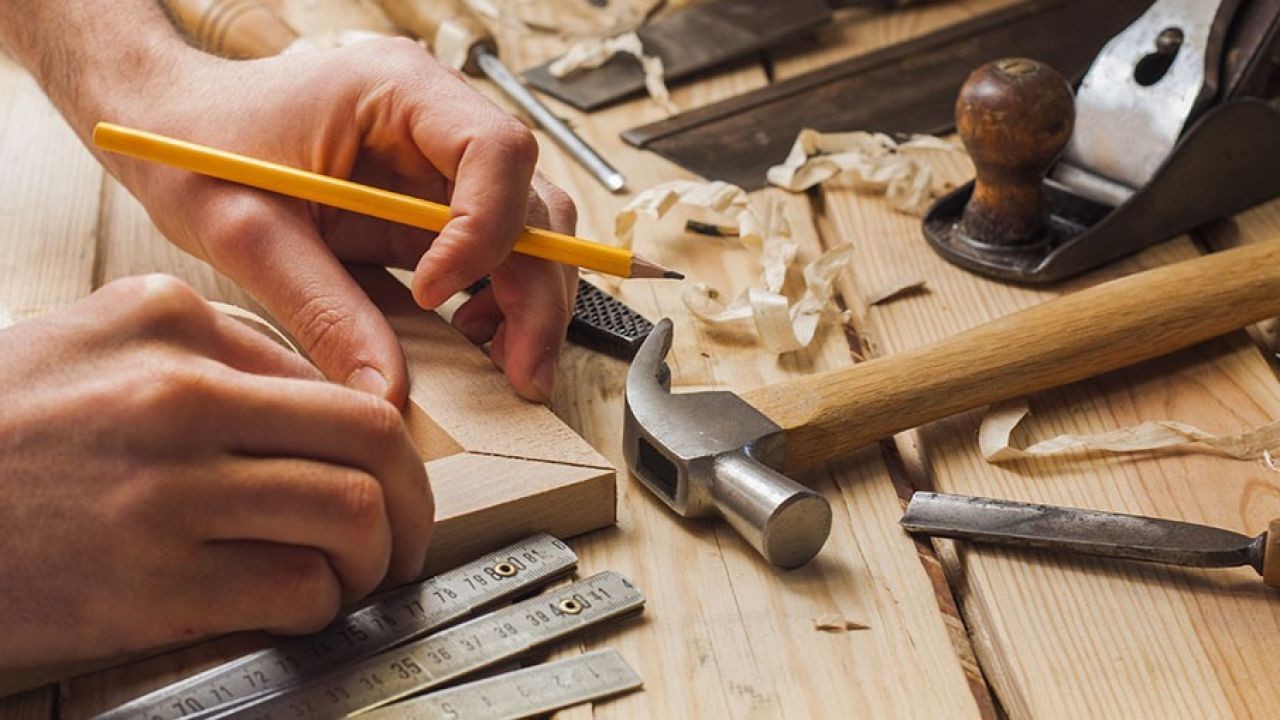
In recent years, there has been a burgeoning interest in DIY furniture and woodworking projects in New Zealand homes, driven by a growing awareness of sustainability and the desire for personalized design. This trend not only provides an avenue for creativity but also offers a practical way to engage with eco-friendly practices. However, the journey from inspiration to execution can be fraught with challenges, particularly for beginners. In this article, we'll explore the nuances of DIY woodworking, the impact of this trend on New Zealand's economy, and how video guides can be a crucial resource for enthusiasts.
Why is DIY Furniture and Woodworking Gaining Popularity in New Zealand?
DIY furniture and woodworking have gained traction in New Zealand due to the increasing awareness of sustainability and the desire for unique, personalized home environments. The Reserve Bank of New Zealand notes that an increasing number of Kiwis are investing in home improvement projects, reflecting a shift towards more sustainable and cost-effective living solutions. Furthermore, the Ministry of Business, Innovation, and Employment (MBIE) has emphasized the importance of sustainable practices, which DIY projects naturally align with.
How Can Video Guides Enhance DIY Woodworking Projects?
Video guides offer a unique advantage by providing visual and auditory instructions that can bridge the gap between theory and practice. They cater to various learning styles, offering step-by-step instructions that can be paused, replayed, and reviewed at the viewer's convenience. This adaptability is essential for novice woodworkers who may struggle with traditional written guides. By integrating expert insights and tips, video guides can significantly enhance the learning experience and reduce the trial-and-error aspect of DIY projects.
Case Study: The Rise of Kiwi Woodworking Communities
Problem: Many New Zealanders interested in woodworking lacked access to structured learning resources, often resulting in costly mistakes or abandoned projects.
Action: Online platforms like YouTube and Vimeo began hosting channels dedicated to DIY woodworking, featuring local experts who share their knowledge and techniques tailored to New Zealand-specific materials and tools.
Result: Engagement with these platforms has skyrocketed, with some channels reporting a 50% increase in subscribers over the past year. This growth indicates a significant demand for accessible, high-quality instructional content.
Takeaway: The success of these platforms highlights the critical role of video guides in democratizing access to woodworking skills, enabling more Kiwis to undertake DIY projects confidently.
What Are the Environmental Impacts of DIY Woodworking?
DIY woodworking is inherently sustainable as it often utilizes recycled materials and promotes the longevity of furniture through repair and customization. According to Stats NZ, the construction and demolition sector contributes significantly to waste in landfills, and the DIY approach helps mitigate this by repurposing materials. Furthermore, by creating durable, custom pieces, homeowners can reduce their reliance on mass-produced furniture, which often has a higher carbon footprint due to manufacturing and transportation processes.
Common Myths About DIY Woodworking
- Myth: DIY woodworking is expensive and requires specialized tools.
- Reality: While initial setup costs can be high, many projects can be completed with basic tools, and materials can be sourced sustainably at low cost.
- Myth: Video guides are only for beginners.
- Reality: Many advanced woodworking techniques are also covered in video guides, making them a valuable resource for experienced woodworkers seeking to refine their skills.
- Myth: DIY projects are always more time-consuming than buying new.
- Reality: With the right guidance and planning, DIY projects can be completed efficiently, often resulting in higher quality and more personalized outcomes.
What Are the Biggest Mistakes to Avoid in DIY Woodworking?
- Ignoring Safety: Always prioritize safety by using appropriate protective gear and ensuring your workspace is secure.
- Skipping Planning: Detailed plans and measurements are crucial to avoid costly mistakes and wasted materials.
- Overlooking Material Quality: Invest in quality materials to ensure durability and a professional finish.
Future Trends in DIY Furniture and Woodworking
Looking forward, the DIY furniture and woodworking trend is set to grow in New Zealand, driven by technological advancements and an increasing focus on sustainability. According to a report by NZTech, the integration of augmented reality (AR) in DIY projects is expected to revolutionize how instructions are delivered, offering interactive and immersive learning experiences. Additionally, the rise of eco-friendly materials and tools is anticipated to further influence consumer choices, aligning with New Zealand's commitment to reducing its carbon footprint.
Conclusion
DIY furniture and woodworking offer New Zealanders a fulfilling and sustainable way to enhance their homes. By leveraging video guides, enthusiasts can overcome common challenges and achieve professional-quality results. As this trend continues to grow, it offers significant environmental benefits and aligns with New Zealand's broader sustainability goals. Whether you are a novice or an experienced woodworker, embracing DIY projects can provide both personal satisfaction and contribute positively to the environment.
Ready to start your DIY journey? Explore video guides tailored for New Zealanders and share your projects with the community to inspire others. What will you create next?
People Also Ask
- How does DIY woodworking impact businesses in New Zealand? DIY woodworking aligns with sustainable business practices, encouraging local sourcing and reducing production costs. This trend can boost local economies by supporting small businesses and reducing reliance on imports.
- What are the biggest misconceptions about DIY woodworking? A common myth is that DIY woodworking requires expensive tools. However, many projects can be completed with basic equipment and sustainable materials.
- What are the best strategies for implementing DIY woodworking projects? Start with a clear plan, invest in quality materials, and prioritize safety. Leveraging video guides can significantly enhance your learning experience and project outcomes.
Related Search Queries
- DIY woodworking projects for beginners
- Eco-friendly DIY furniture ideas
- Best tools for woodworking
- Sustainable materials for DIY projects
- Woodworking safety tips
- Augmented reality in woodworking
- New Zealand woodworking community
- DIY furniture cost savings
- DIY home improvement trends
- Video guides for woodworking
For the full context and strategies on DIY Furniture and Woodworking Video Guides for New Zealand Homes, see our main guide: Nz Home Decor Interior Styling Videos.