






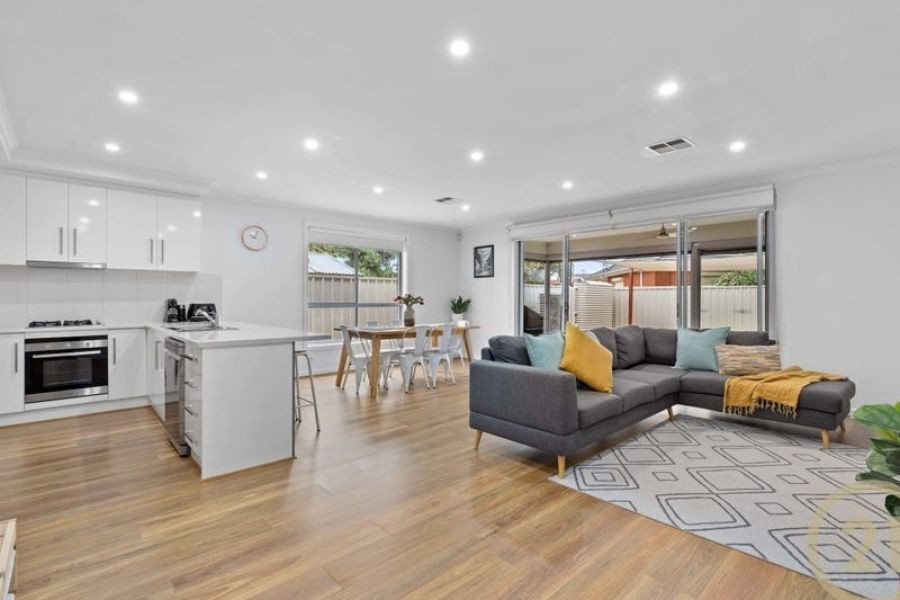
In the dynamic landscape of Australian real estate, the idea of purchasing property for under $300,000 might seem far-fetched to many investors. However, with the right strategies and insights, even seemingly unattainable goals can become reality. For angel investors looking to diversify their portfolios without breaking the bank, this guide explores seven innovative approaches to acquiring property in Australia for less than $300,000. These methods not only open doors to affordable investments but also align with the unique economic and regulatory backdrop of Australia.
1. Consider Regional and Emerging Suburbs
While major cities like Sydney and Melbourne often dominate the property market headlines, regional areas and emerging suburbs present untapped opportunities. According to CoreLogic, regional property values have seen significant growth, albeit from a lower base compared to urban areas. Areas such as Ballarat in Victoria and Toowoomba in Queensland offer properties under $300,000 with potential for appreciation as infrastructure developments progress.
Case Study: Toowoomba, Queensland
In Toowoomba, Queensland, investors have witnessed a surge in property demand thanks to recent infrastructure projects such as the Toowoomba Second Range Crossing. As a result, property prices have shown a reasonable increase, yet still remain within the affordable range. This region exemplifies how strategic investments in such areas can yield significant returns.
2. Explore Off-the-Plan Purchases
Off-the-plan purchases involve buying property that is yet to be built, often at a lower price than existing properties. This approach not only offers a reduced entry price but also provides tax benefits such as depreciation. The Australian Taxation Office (ATO) highlights these potential savings, making it an attractive option for investors.
3. Invest in Smaller Properties
Smaller properties, such as studio apartments or one-bedroom units, offer another pathway to affordable property ownership. In cities like Adelaide, these smaller units can be found for under $300,000. While they might have limited space, they are often located in central areas, appealing to young professionals and students.
Case Study: Studio Apartments in Adelaide
Adelaide's property market has seen a rise in demand for studio apartments, particularly around the city center. These properties offer a cost-effective entry point for investors while ensuring a steady rental income due to their appeal among students and young professionals.
4. Consider Shared Ownership
Shared ownership schemes, where investors purchase a percentage of the property and pay rent on the remaining share, can reduce the initial financial burden. These schemes, supported by government initiatives, are gaining traction in Australia. The Reserve Bank of Australia notes that such models can aid in improving housing accessibility.
5. Look into Foreclosures and Auctions
Properties sold through foreclosures and auctions often sell below market value, presenting a unique opportunity for savvy investors. However, this approach requires thorough research and quick decision-making, given the competitive nature of such sales.
Case Study: Auction Success in Western Australia
In Western Australia, savvy investors have successfully acquired undervalued properties through auctions. By conducting detailed due diligence and setting a clear budget, these investors have managed to secure properties below $300,000, which have appreciated over time.
6. Utilize Government Grants and Incentives
The Australian government provides various grants and incentives to first-time buyers and low-income earners, including the First Home Owner Grant. These initiatives can significantly reduce the financial burden of purchasing a property, making it easier to acquire real estate within a limited budget.
7. Leverage Real Estate Investment Trusts (REITs)
For those who prefer indirect property ownership, Real Estate Investment Trusts (REITs) offer a viable option. By investing in a REIT, individuals gain exposure to a diversified property portfolio with a lower entry cost. According to the Australian Securities and Investments Commission (ASIC), REITs can provide attractive returns while mitigating risks associated with direct property investment.
Common Myths & Mistakes
- Myth: "You can't find any property under $300,000 in Australia."Reality: With strategic approaches such as regional investments and off-the-plan purchases, acquiring property below this threshold is achievable.
- Myth: "Off-the-plan purchases are risky and not worth it."Reality: Off-the-plan purchases offer potential tax benefits and lower entry prices, making them a viable option with proper due diligence.
- Myth: "Regional properties don't appreciate in value."Reality: Regional areas are experiencing growth due to infrastructure developments, offering investment potential.
Future Trends and Predictions
As Australia's population continues to grow and urban centers expand, regional areas and secondary cities are expected to see increased demand. The ongoing investment in infrastructure and transport links will likely enhance the appeal of these areas. According to the Treasury AU, these trends could make regional investments even more lucrative in the coming years.
Conclusion
For angel investors, the Australian property market offers numerous opportunities to acquire affordable real estate. By exploring regional areas, leveraging government incentives, and considering alternative investment models, investors can navigate the market successfully. As the landscape continues to evolve, staying informed and adaptable will be key to capitalizing on these opportunities.
People Also Ask
- How does investing in regional areas impact property returns in Australia? Investing in regional areas can yield strong returns due to lower initial costs and potential for appreciation as infrastructure develops, according to CoreLogic.
- What are the benefits of off-the-plan property purchases? Off-the-plan purchases often come with lower prices and tax benefits, making them attractive to investors, per the Australian Taxation Office (ATO).
Related Search Queries
- Affordable property investment in Australia
- Regional property growth in Australia
- Off-the-plan property benefits
- Government grants for property buyers Australia
- Investing in Australian REITs
























Diamond S Welding And Machine Shop LLC
1 day ago