





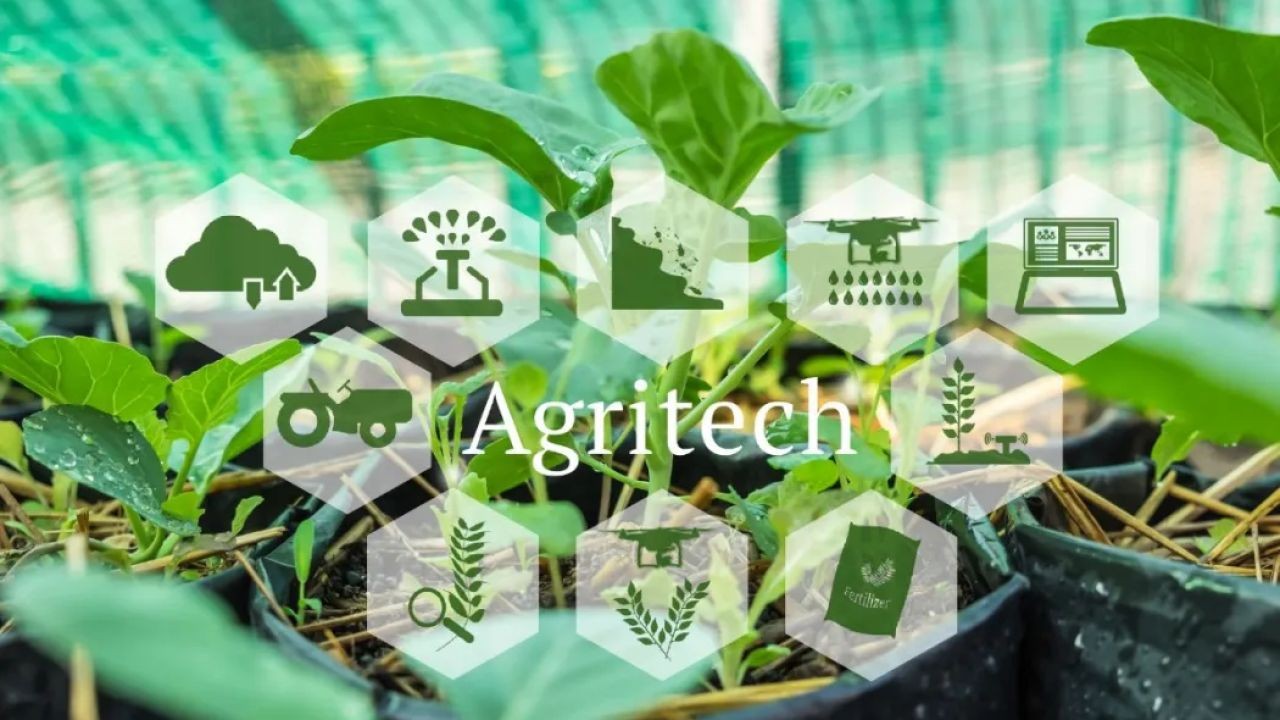
In the heart of Australia’s sprawling farmlands, a revolution is underway, driven by AgriTech and automation. As traditional farming faces challenges like climate change and labor shortages, technological advancements are reshaping the landscape. This article delves into how AgriTech and automation videos are shaping the future of farming in Australia, offering a glimpse into the possibilities and challenges of this transformation.
The Australian Context: Why AgriTech Matters
Australia’s agriculture sector is a cornerstone of its economy, contributing approximately 2% to the GDP and employing over 325,000 people (ABS, 2023). Yet, the sector faces significant challenges. According to the Australian Bureau of Statistics, the agricultural labor force has been declining by 1.5% annually since 2016. With the average farmer's age now over 55, there is an urgent need for innovative solutions to sustain productivity.
AgriTech offers a promising solution. Automation technologies, such as drones, autonomous tractors, and IoT sensors, are increasingly being used to optimize farming operations. These technologies can improve efficiency, reduce costs, and enhance yield quality, making them indispensable in modern agriculture.
Trends and Innovations in AgriTech
IoT and Sensor Technology: The Internet of Things (IoT) allows farmers to monitor soil moisture, crop health, and weather conditions in real-time. This data-driven approach enables precision agriculture, which can increase crop yields by up to 25% (Deloitte, 2023).
Autonomous Machinery: Autonomous tractors and harvesters are becoming more common in Australian farms. These machines can work around the clock, reducing the reliance on human labor and increasing efficiency by 30%.
Drones: Drones are used for crop monitoring, pest control, and even planting. They offer a bird’s-eye view of farmlands, enabling farmers to make informed decisions quickly. A study by the University of Sydney found that drone usage in agriculture can reduce pesticide use by up to 40%.
Case Study: Sundrop Farms – Harnessing Solar Power
Problem: Sundrop Farms, located in the arid region of Port Augusta, South Australia, faced the challenge of water scarcity and high energy costs.
Action: The company adopted a groundbreaking approach by using solar power to desalinate seawater for irrigation. They implemented advanced greenhouse technology, integrating solar panels, desalination, and climate control systems.
Result: Sundrop Farms now produces over 15,000 tons of tomatoes annually, with zero fresh water and fossil fuel usage. This sustainable model reduced their operational costs by 30% and increased crop yield by 20%.
Takeaway: This case study illustrates the potential of integrating renewable energy with AgriTech to overcome environmental challenges. Australian farmers can leverage similar strategies to enhance sustainability and productivity.
Pros and Cons of AgriTech Adoption
Pros:
- Increased Efficiency: Automation can boost productivity by reducing manual labor and optimizing resource use.
- Cost Reduction: IoT and autonomous machinery can lower operational costs by up to 30%.
- Environmental Benefits: Precision farming reduces chemical usage, promoting sustainable practices.
- Data-Driven Decisions: Real-time data from sensors allows for informed decision-making, improving crop yield and quality.
Cons:
- High Initial Costs: The upfront investment in AgriTech can be prohibitive for small-scale farmers.
- Technical Skills Requirement: Farmers need training to effectively use and maintain new technologies.
- Data Privacy Concerns: The use of IoT raises issues around data security and privacy.
- Regulatory Challenges: Navigating regulations around drone usage and data protection can be complex.
Regulatory Landscape and Policy Insights
The Australian government recognizes the potential of AgriTech and has introduced several initiatives to support its adoption. The National Farmers’ Federation aims to grow the agricultural sector to $100 billion by 2030, partially through technological innovation. Meanwhile, the ACCC has been active in ensuring fair competition and addressing data privacy concerns in the AgriTech space.
For example, the ACCC has set guidelines for the use of drones in agriculture, ensuring they do not infringe on privacy rights. Additionally, the government offers grants and incentives for farmers to adopt sustainable practices, such as the AgriFutures Rural Women's Award, which supports innovative agricultural projects.
Myths and Misconceptions in AgriTech
- Myth: Automation will eliminate farm jobs. Reality: While automation reduces manual labor, it creates new roles in technology management and data analysis.
- Myth: Only large farms can afford AgriTech. Reality: With government incentives and scalable solutions, small farms can also benefit from technology adoption.
- Myth: AgriTech is not environmentally friendly. Reality: Precision agriculture reduces resource waste and promotes sustainable farming practices.
Future Trends and Predictions
Looking ahead, AgriTech is poised to transform Australian agriculture significantly. By 2028, it is anticipated that 60% of Australian farms will integrate IoT and autonomous systems (CSIRO, 2023). Furthermore, the emergence of blockchain technology could revolutionize supply chain transparency, ensuring food safety and traceability.
As climate change continues to impact traditional farming methods, the adoption of AgriTech will become not just beneficial but essential. Innovations in biotechnology, such as genetically modified crops and CRISPR, could further enhance yield resilience against pests and extreme weather.
Conclusion and Call to Action
AgriTech and automation are not just buzzwords; they represent the future of farming in Australia. By embracing these technologies, farmers can overcome current challenges and build a resilient agricultural sector capable of feeding the nation and beyond.
Are you ready to explore the potential of AgriTech in your farming operations? Learn more about government incentives and training programs available to support your transition into the future of farming. Join our exclusive AgriTech newsletter to stay updated with the latest trends and innovations in Australian agriculture.
People Also Ask (FAQ)
- How does AgriTech impact businesses in Australia? AgriTech enhances efficiency and productivity, leading to higher yields and reduced costs. For example, farms using IoT report up to a 25% increase in crop yields.
- What are the biggest misconceptions about AgriTech? A common myth is that AgriTech is only for large farms. However, scalable solutions and government incentives make it accessible for small farms as well.
- What are the best strategies for implementing AgriTech? Start with assessing your farm's specific needs, invest in scalable technology, and leverage government incentives for a smoother transition.
Related Search Queries
- Future of farming technology in Australia
- AgriTech innovations in Australia
- Automation in Australian agriculture
- IoT applications in farming
- Benefits of precision agriculture
- Environmental impact of farming technology
- Government incentives for AgriTech
- Challenges in adopting AgriTech
- Sustainable farming practices in Australia
- Drone usage in agriculture
For the full context and strategies on AgriTech and Automation Videos Shaping the Future of Farming in Australia, see our main guide: Crop Horticulture Videos Australia.