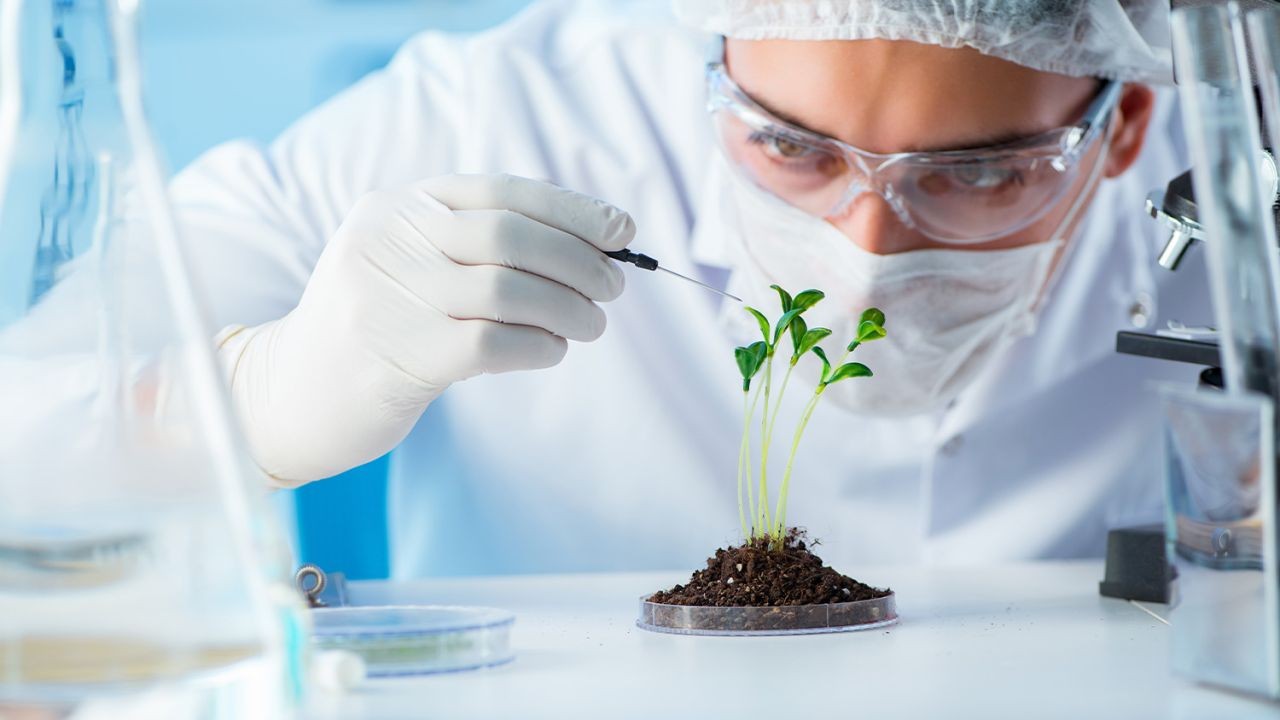




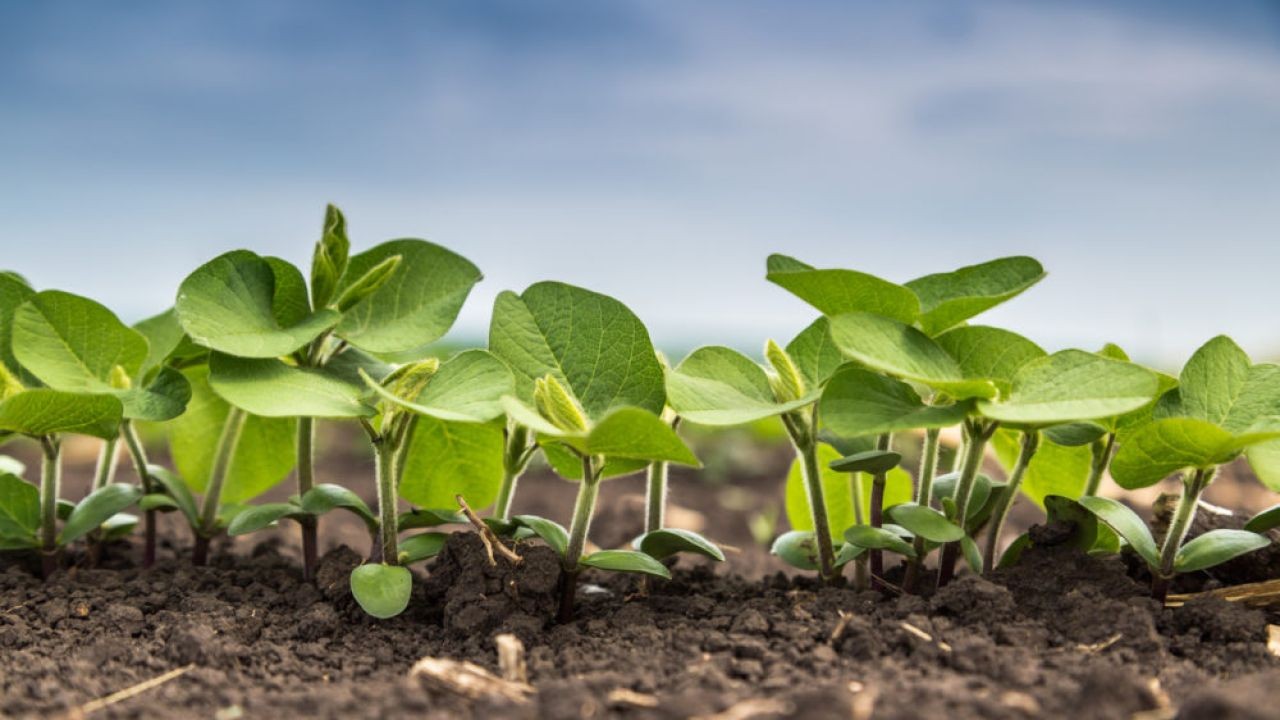
Australia’s agricultural sector stands on the cusp of a technological revolution, driven by innovations in crop science and horticulture. These advancements hold the promise of not only enhancing productivity but also contributing significantly to the nation’s carbon market strategies. In this analysis, we delve into how crop science and horticulture innovation videos are reshaping the landscape for Australian growers, backed by data, expert insights, and real-world examples.
The Importance of Innovation in Australian Agriculture
Australia's agricultural sector is a cornerstone of the economy, contributing approximately 2.2% to the GDP (Source: Australian Bureau of Statistics, 2023). With the global population projected to reach 9.7 billion by 2050, the demand for sustainable food production has never been more critical. Innovation in crop science and horticulture is vital to meet these demands while addressing climate change challenges.
According to the Australian Bureau of Agricultural and Resource Economics and Sciences (ABARES), integrating advanced technologies can increase crop yields by up to 25%, thereby supporting Australia's goal to reduce emissions by 26-28% below 2005 levels by 2030.
Case Study: Smart Farming Technologies in Victoria
Problem: A mid-sized farm in Victoria faced declining crop yields due to unpredictable weather patterns and soil degradation.
Action: The farm implemented a series of smart farming technologies, including precision agriculture tools and AI-driven crop monitoring systems.
Result: Within a year, the farm reported a 30% increase in yield and a 20% reduction in water usage. This translated to a significant reduction in operational costs and improved sustainability metrics.
Takeaway: This case underscores the potential of technology in enhancing productivity and sustainability, making it a blueprint for other Australian growers.
Pros and Cons of Horticulture Innovation Videos
✅ Pros:
- Enhanced Knowledge Transfer: Videos provide a visual medium that simplifies complex concepts, making it easier for growers to understand and implement new technologies.
- Increased Engagement: Interactive videos can capture and retain attention better than traditional methods, leading to higher adoption rates of innovative practices.
- Scalability: Once produced, videos can reach a wide audience with minimal incremental cost, making them an efficient educational tool.
- Real-Time Updates: Videos can quickly disseminate the latest research and development findings, keeping growers informed about cutting-edge innovations.
❌ Cons:
- Initial Production Costs: Creating high-quality videos can be expensive, requiring investment in production equipment and expertise.
- Technical Barriers: Some growers may lack the necessary technology or digital literacy to access and benefit from these videos.
- Information Overload: With the vast amount of content available, growers may struggle to discern which videos provide the most relevant and accurate information.
The Role of Government and Policy in Driving Innovation
The Australian government recognizes the critical role of innovation in agriculture and has introduced several initiatives to support it. The National Farmers' Federation’s 2030 Roadmap aims to make Australian agriculture a $100 billion industry by 2030, emphasizing the need for technological adoption.
Furthermore, the Australian Competition & Consumer Commission (ACCC) has launched inquiries to ensure fair competition and transparency in the agricultural sector, fostering an environment conducive to innovation.
Case Study: The Impact of Government Grants on Agricultural Tech Adoption
Problem: A lack of funding options limited a Queensland-based agricultural cooperative's ability to adopt advanced technologies.
Action: The cooperative applied for and received a government grant aimed at promoting technological innovation in agriculture.
Result: The funding enabled the cooperative to purchase and implement drone technology for crop monitoring, leading to a 35% increase in yield accuracy and efficiency.
Takeaway: Government support plays a pivotal role in enabling widespread adoption of innovative technologies among Australian growers.
Common Myths and Mistakes in Crop Science and Horticulture
Myth: "Traditional farming methods are always cheaper than modern technology." Reality: While initial costs for modern technologies can be high, long-term savings in resource usage and increased yields often lead to a higher ROI (Source: ABARES, 2023).
Myth: "Innovation is only for large-scale farms." Reality: Small and medium-sized farms can also benefit significantly from technology, with accessible solutions tailored to various scales of operation.
Myth: "Videos can't replace hands-on training." Reality: While hands-on experience is invaluable, videos provide a scalable way to convey knowledge and can complement traditional training methods.
Future Trends in Crop Science and Horticulture in Australia
Looking ahead, several trends are poised to shape the future of crop science and horticulture in Australia:
- AI and Machine Learning: These technologies will play a crucial role in predictive analytics, allowing for more precise farming practices.
- Blockchain for Supply Chain Transparency: As consumers demand more information about the origin of their food, blockchain will help ensure transparency and traceability.
- Sustainable Practices: With increasing environmental concerns, sustainable farming practices will become more prevalent, supported by policy and consumer preferences.
- Remote Sensing Technologies: The use of drones and satellites for real-time monitoring will enhance decision-making and resource management.
According to CSIRO, by 2030, these innovations could lead to a 50% increase in productivity while reducing environmental impact, aligning with Australia’s sustainability goals.
Conclusion: Harnessing Innovation for a Sustainable Future
The integration of crop science and horticulture innovation videos offers Australian growers a powerful tool to enhance productivity and sustainability. By embracing these advancements, the agricultural sector can meet the challenges of the future while contributing to Australia’s carbon market goals.
As the industry continues to evolve, staying informed and adaptable will be key. Growers are encouraged to leverage available resources and government support to adopt innovations that drive efficiency and sustainability.
What strategies have worked for your business in Australia? Share your insights below!
People Also Ask (FAQ)
How does innovation in crop science impact Australian growers? Innovation in crop science allows Australian growers to increase yields by up to 25%, reduce resource usage, and improve sustainability, aligning with national carbon reduction goals.
What are the biggest misconceptions about agricultural innovation? One common myth is that innovation is only beneficial for large farms. However, small and medium-sized farms can also see significant benefits from adopting modern technologies.
What government initiatives support agricultural innovation in Australia? The National Farmers' Federation’s 2030 Roadmap and various government grants aim to support technological adoption and drive the agricultural sector toward a $100 billion industry by 2030.
Related Search Queries
- Australian agricultural innovations 2023
- Crop science technology in Australia
- Horticulture advancements for Australian growers
- Sustainable farming practices Australia
- Government support for agriculture innovation
- Impact of AI on Australian agriculture
- Blockchain in agriculture supply chain
- Future of farming in Australia
- Australian carbon market strategies
- Drone technology in farming
For the full context and strategies on Crop Science and Horticulture Innovation Videos for Australian Growers, see our main guide: Sustainable Farming Videos Australia.