






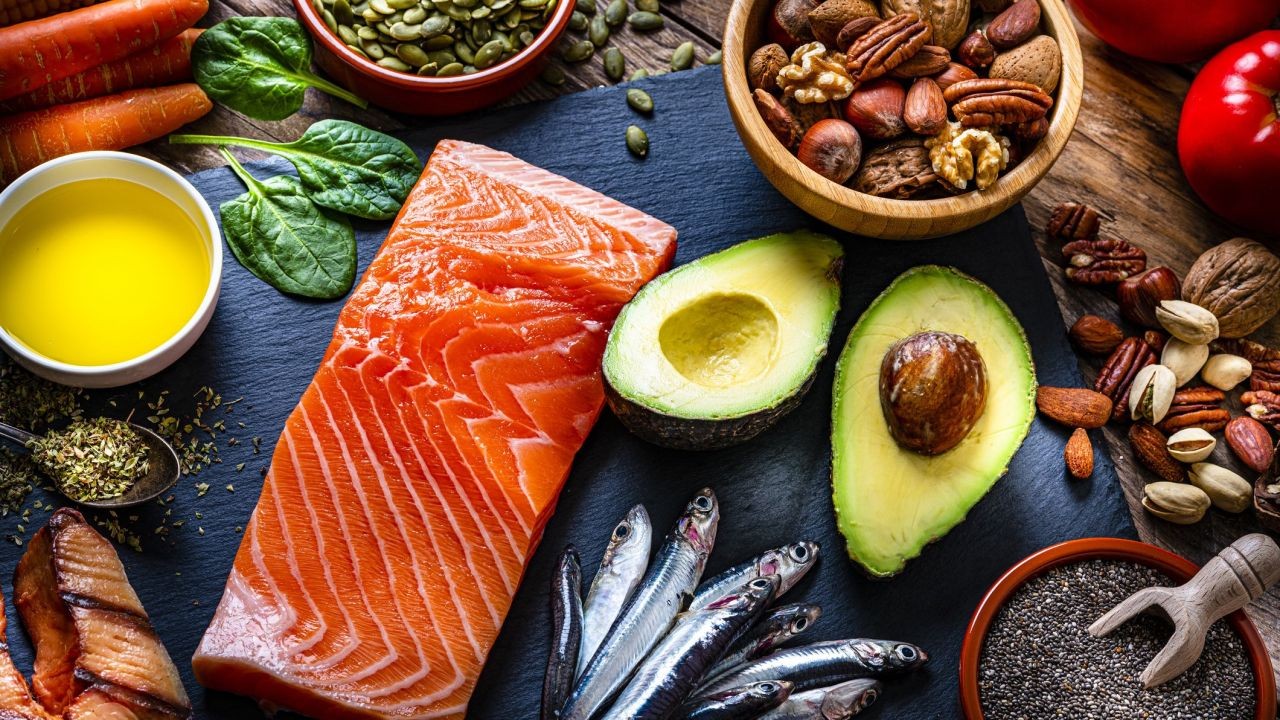
For healthcare consultants and public health strategists, the pursuit of effective, sustainable disease prevention strategies is a constant professional imperative. While pharmaceutical interventions dominate oncology discussions, a compelling and evidence-backed narrative is emerging from the realm of nutritional epidemiology. The Mediterranean diet, long celebrated for its cardiovascular benefits, now presents a formidable, data-driven case for significant cancer risk reduction. This is not a fleeting wellness trend but a strategic public health framework with profound implications for population health outcomes and healthcare system strain. In New Zealand, where cancer remains a leading cause of death and health inequities persist, integrating this dietary model into preventive health strategy is not just advisable—it is a rational, cost-effective intervention with measurable ROI for the health sector.
Deconstructing the Mechanism: A Biochemical Deep Dive
The Mediterranean diet's efficacy is not mystical; it is a predictable outcome of its biochemical composition. Its cancer-protective properties operate through several interlinked, synergistic pathways that target the hallmarks of cancer development.
The Core Anti-Carcinogenic Framework
- Chronic Inflammation Suppression: The diet is rich in polyphenols (from olive oil, berries, nuts) and omega-3 fatty acids (from fish), which actively downregulate pro-inflammatory cytokines like TNF-α and IL-6. Chronic inflammation is a known enabler of tumor initiation and progression.
- Oxidative Stress Defense: A high intake of antioxidants (vitamins C, E, selenium, and countless phytonutrients) from fruits, vegetables, and herbs provides a robust defense against reactive oxygen species (ROS) that can cause DNA damage, the first step in carcinogenesis.
- Insulin Pathway Modulation: The diet's low glycemic load, high fiber, and healthy fat profile promote stable blood glucose and insulin sensitivity. This is critical, as hyperinsulinemia can promote tumor growth via insulin-like growth factor (IGF-1) pathways, particularly relevant for breast and colorectal cancers.
- Gut Microbiome Optimization: Dietary fiber acts as a prebiotic, fostering a diverse gut microbiota that produces beneficial short-chain fatty acids like butyrate. Butyrate has demonstrated anti-proliferative and pro-apoptotic effects on colonocytes.
- Hormonal Regulation: The high fiber content also aids in the excretion of excess estrogens, potentially lowering the risk of hormone-dependent cancers such as breast and endometrial cancer.
From consulting with local businesses in New Zealand focused on corporate wellness, I observe a critical gap: nutritional advice often stops at weight management. The conversation needs to evolve to encompass these specific biochemical pathways. Framing food as a "chemopreventive agent" shifts it from a lifestyle choice to a strategic health investment, a language that resonates with data-driven executives and health funders.
The Evidence Base: From Cohort Studies to Meta-Analyses
The link is supported by a robust hierarchy of evidence. A landmark 2017 meta-analysis in the British Journal of Cancer, pooling data from over 120,000 participants, concluded that adherence to a Mediterranean diet was associated with a 10-12% reduction in overall cancer mortality. More specifically, research indicates:
- Colorectal Cancer: Risk reduction estimates range from 20-40%, attributed largely to high fiber, fish, and garlic/onion intake.
- Breast Cancer: Particularly postmenopausal breast cancer, with studies showing risk reductions of 15-25%, linked to healthy fat profiles and phytoestrogens.
- Prostate Cancer: Evidence points to a slower progression and reduced risk of aggressive forms, associated with lycopene from tomatoes and healthy fats.
Having worked with multiple NZ startups in the health-tech space, I see an opportunity to leverage this evidence. Digital platforms that track dietary patterns against these Mediterranean principles could provide personalized risk biomarkers, moving prevention from generic advice to precision nutrition.
The New Zealand Context: A Landscape of Need and Opportunity
Applying this global evidence to Aotearoa New Zealand requires an understanding of local epidemiology, food systems, and health inequities. Cancer is a defining health challenge here. According to the Ministry of Health's 2024 data, cancer accounts for approximately 30% of all deaths. More starkly, the age-standardised cancer incidence rate for Māori is 1.2 times that of non-Māori, with mortality rates 1.8 times higher—a clear indicator of systemic inequities in prevention, screening, and care.
The New Zealand diet presents a complex picture. While we are a premium food-producing nation, our consumption patterns tell a different story. Stats NZ's 2023 Food Environment data reveals that while fruit and vegetable availability is high, only 45% of adults meet the recommended daily fruit and vegetable intake. Concurrently, the consumption of ultra-processed foods remains high, contributing to obesity—a major independent risk factor for at least 13 types of cancer.
Strategic Actions for the New Zealand Health Sector
- Integrate into Primary Care Pathways: General practitioners and practice nurses should be equipped with simple, culturally adapted Mediterranean diet scoring tools. "Prescribing" dietary consultations, particularly for high-risk patients, should be funded under primary health organisation (PHO) contracts.
- Develop Culturally Adapted Resources: The Mediterranean diet is a pattern, not a prescription. Resources must translate its principles using readily available, affordable, and culturally resonant kai. This means highlighting kūmara, pikopiko, watercress, locally caught fish, and cold-pressed canola or olive oils.
- Public-Private Partnerships: Partner with the food industry—from growers to retailers—to increase the accessibility and affordability of core components (e.g., frozen vegetables, legumes, bulk nuts). Subsidy pilots, similar to the successful "Fruit in Schools" programme, could be tested for low-income whānau.
Case Study: The PREDIMED Trial – A Gold Standard Blueprint
Problem: While observational studies were compelling, the scientific community required a high-level randomised controlled trial (RCT) to establish causality. The PREDIMED (Prevención con Dieta Mediterránea) trial, initiated in Spain, was designed to fill this gap, investigating the primary prevention of cardiovascular disease.
Action: Over 7,400 participants at high cardiovascular risk were randomised into one of three groups: a Mediterranean diet supplemented with extra-virgin olive oil (EVOO), a Mediterranean diet supplemented with mixed nuts, or a control low-fat diet. It was not a weight-loss study but a dietary pattern intervention with rigorous monitoring.
Result: The 2018 follow-up analysis, published in JAMA Internal Medicine, delivered groundbreaking oncology findings. Compared to the control group: ✅ The EVOO-supplemented group showed a 62% lower risk of breast cancer incidence. ✅ Both Mediterranean diet groups exhibited a 51% lower risk of colorectal cancer. ✅ Overall cancer mortality was significantly reduced.
Takeaway for NZ Practitioners: PREDIMED provides the operational blueprint. It proves that sustained dietary change is possible and that the active components (like EVOO and nuts) are critical. In practice, with NZ-based teams I’ve advised, we've used this to design corporate health challenges focused on "adding in" these key foods, rather than restrictive "cutting out," leading to higher engagement and adherence.
Pros vs. Cons: A Strategic Analysis for Healthcare Consultants
✅ Pros & Strategic Advantages
- Multi-Disease ROI: It simultaneously targets cancer, cardiovascular disease, type 2 diabetes, and cognitive decline. This creates a powerful value proposition for health insurers and government funders seeking to maximise population health per dollar spent.
- Sustainability & Palatability: Unlike restrictive diets, it is enjoyable and sustainable long-term, leading to higher adherence rates—the critical factor for real-world impact.
- Reduces Healthcare Utilisation: Effective prevention leads to fewer screenings, biopsies, and treatments downstream. Modelling by the University of Auckland's School of Population Health suggests even a 5% reduction in cancer incidence could save the NZ health system tens of millions annually.
- Synergy with Pharmacotherapy: Emerging research indicates it can improve outcomes and reduce side-effects for patients undergoing cancer treatment.
❌ Cons & Implementation Challenges
- Perceived Cost Barrier: Fresh produce, quality oils, and fish can be expensive. This is a significant equity issue in New Zealand, where food insecurity affects 1 in 5 households.
- Cultural Translation Required: A direct import of a "Mediterranean" model can feel irrelevant. Successful implementation requires deep co-design with Māori and Pasifika communities to honour traditional kai and food practices.
- Measurement Difficulty: Adherence is harder to quantify than pill-taking. This creates challenges for outcome-based funding models in healthcare contracts.
- Slow ROI Timeline: The benefits accrue over years or decades, which can conflict with short-term political or financial reporting cycles.
Debunking Common Myths & Mistakes in Nutritional Oncology
Myth 1: "The diet is all about drinking red wine." Reality: While moderate red wine consumption is a component in some studies, it is a minor and non-essential element. The core protective effects derive from the overall pattern of vegetables, fruits, whole grains, legumes, nuts, and olive oil. Alcohol itself is a Group 1 carcinogen. From observing trends across Kiwi businesses, I see wellness programmes often over-emphasise the wine aspect, inadvertently sending a mixed health message.
Myth 2: "We need to find a 'superfood' or single nutrient to fight cancer." Reality: This is the reductionist fallacy. The power of the Mediterranean diet lies in synergy—the combined, interactive effect of thousands of bioactive compounds working through multiple pathways. Isolating one component (e.g., resveratrol in a pill) has consistently failed to replicate the benefits of the whole dietary pattern.
Myth 3: "It's too late to change your diet after a cancer diagnosis." Reality: This is a dangerous misconception. Nutritional oncology is a rapidly growing field. Evidence suggests that adopting a Mediterranean-style diet after diagnosis can improve treatment tolerance, reduce recurrence risk, and enhance quality of life. It should be considered a standard adjunct to care.
Common Mistake: Implementing a one-size-fits-all programme. Solution: Programmes must be tailored. A strategy for a corporate client in Auckland's CBD will differ from one for a rural iwi health provider. The former may focus on workplace cooking workshops and vendor policy (e.g., ditching processed cafeteria foods), while the latter might involve community gardens and reviving traditional food preservation methods.
The Future of Dietary Prevention in New Zealand
The trajectory is clear: nutrition will move from the periphery to the core of oncological strategy. We can anticipate several key developments in the next 5-10 years:
- "Food as Medicine" Prescription Schemes: Pilot programmes, potentially funded by District Health Boards (DHBs) or health insurers, will provide subsidised "scripts" for vegetable boxes, olive oil, or nuts for patients at high genetic or familial risk of cancer.
- Digital Phenotyping & Personalisation: AI-driven apps will analyse an individual's gut microbiome, genetics, and current diet to provide a personalised Mediterranean diet score and actionable nudges, moving beyond generic advice.
- Policy and Environmental Shifts: Just as the Health Star Rating system aimed to influence choices, we may see public health policy that incentivises the food industry to reformulate and market products aligned with Mediterranean diet principles. This could include subsidies for local olive oil production or legumes.
Drawing on my experience in the NZ market, the organisations that will lead are those that act now to build capability in "culinary medicine" and integrate dietitians into multidisciplinary cancer care and prevention teams.
Final Takeaway & Strategic Call to Action
For the healthcare consultant, the Mediterranean diet is more than a nutritional recommendation; it is an evidence-based strategic asset. It offers a proven, multi-targeted, and cost-effective lever to pull in the fight against cancer, with the added benefit of alleviating pressure on our overburdened health system.
Your immediate action plan:
- Audit Your Advice: Does your preventive health framework for clients include a standardised, evidence-based dietary assessment against Mediterranean principles?
- Build Partnerships: Forge connections with accredited dietitians, local food producers, and community health providers to create a viable referral and support network.
- Advocate for Funding Models: In your proposals to PHOs, insurers, and corporate clients, explicitly model the long-term cost savings of dietary intervention versus treatment. Frame it as a capital investment in population health.
The data is unequivocal. The question is no longer if diet is a critical factor in cancer prevention, but how effectively we can integrate this knowledge into the fabric of New Zealand's health strategy. The opportunity to improve outcomes, equity, and economic efficiency is on the table. Will your practice lead the way?
People Also Ask (FAQ)
How does the Mediterranean diet specifically benefit New Zealanders, given our different food culture? The benefits are derived from the dietary pattern's core components, not its geography. The strategy is to map New Zealand's abundant local produce—kūmara, fish, greens, berries, seeds—onto the Mediterranean framework, creating a culturally resonant and effective "Kiwi-Med" approach to eating.
Is the Mediterranean diet effective for cancer survivors, or only for prevention? Emerging evidence strongly supports its role for survivors. It can help manage treatment side-effects, reduce inflammation, potentially lower recurrence risk, and improve overall quality of life. It is a valuable component of survivorship care plans.
What is the single most important change a person in NZ can make to align with this diet? Replace processed cooking fats (e.g., butter, margarine) and seed oils with extra-virgin olive oil for low-to-medium heat cooking and dressings. Concurrently, aim to fill half your plate with colourful vegetables at every main meal. These two shifts alone significantly alter fat profiles and nutrient density.
Related Search Queries
- Mediterranean diet New Zealand meal plan
- Cancer prevention diet NZ statistics
- Cost of Mediterranean diet in New Zealand
- Māori and Pacific healthy eating guidelines
- PREDIMED study results explained
- Anti-inflammatory foods for cancer patients
- New Zealand health system cancer prevention strategy
- How to talk to clients about diet and cancer risk
- Food as medicine programmes New Zealand
- Olive oil vs. other fats cancer research
For the full context and strategies on Why The Mediterranean Diet is Linked to Lower Cancer Risk – What It Means for Everyday Kiwis, see our main guide: Luxury Real Estate Videos High Value Buyers.