




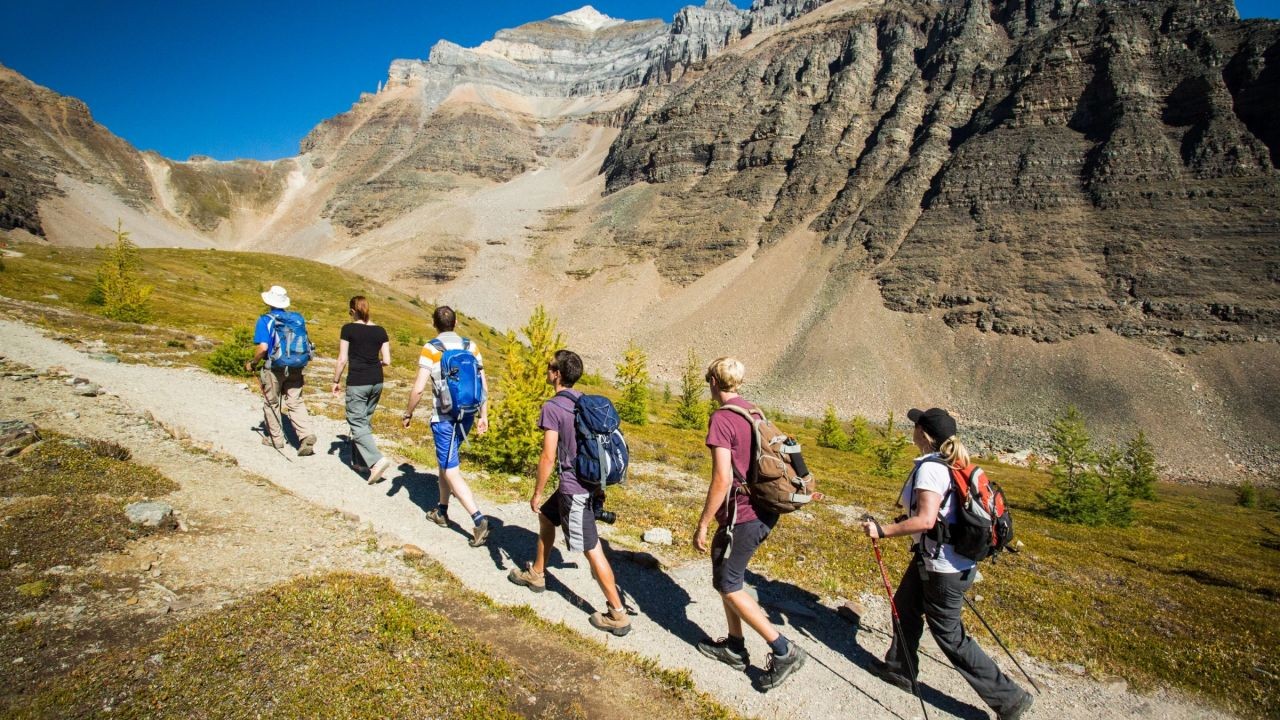
The sun was a hammer on the red earth, and the only sound was the crunch of boots on gravel. For a group of corporate executives on a team-building trek in the Flinders Ranges last spring, the stark beauty quickly turned to stark reality. A meticulously planned itinerary, complete with gourmet dehydrated meals and satellite messengers, had failed to account for one critical variable: water. Seasonal springs marked on their digital map were dry, casualties of a hotter, drier trend noted by land managers. What was meant to be a transformative leadership exercise became a costly emergency extraction, involving local National Parks crews and a sobering lesson in the volatile economics of adventure. This incident underscores a growing reality: planning a multi-day hike in Australia is no longer just about fitness and gear; it’s a complex exercise in risk management, environmental due diligence, and understanding the profound economic footprint of the outdoor sector.
The New Economics of the Australian Bush
Gone are the days when a long walk was a simple escape from commerce. Australia's nature-based tourism is now a sophisticated, multi-billion-dollar industry. According to Tourism Research Australia, in the year ending September 2023, domestic overnight tourism expenditure reached a record $101.7 billion, with a significant portion driven by travel to regional areas for experiences like hiking. This boom has created a vibrant ecosystem of gear retailers, guiding services, and remote accommodation, but it has also placed unprecedented pressure on fragile environments and the volunteer-led emergency services that underpin safety.
From consulting with local businesses across Australia, I've seen firsthand how this surge has created both opportunity and strain. Outfitters in places like Tasmania’s Overland Track or the Kimberley are booking out a year in advance, commanding premium prices. However, local councils and traditional owner groups often bear the infrastructure and remediation costs—from building hardened trails to managing waste—without always seeing a direct return. The financial equation of a hike now extends beyond your personal budget to encompass your contribution to the sustainability of the regions you traverse.
Strategic Planning: A Financial Analyst's Approach to the Trail
View your hike as a high-stakes project with defined assets, liabilities, and operational risks. The successful outcome—a safe, enriching journey—depends on mitigating those risks through rigorous planning.
1. The Scoping Phase: Choosing Your Asset
Not all trails are equal investments of time and risk. Australia’s diversity is its challenge: the alpine volatility of the Australian Alps, the remote desert exposure of the Larapinta Trail, the humid, leech-filled forests of the Great North Walk. Your first decision is asset allocation. Are you seeking liquidity (well-serviced, popular trails) or a higher-risk, higher-reward wilderness experience? Cross-reference your ambition with authoritative, real-time sources. Parks Victoria, NSW National Parks, and similar state bodies provide crucial bulletins on track conditions, fire bans, and closures. Ignoring these is akin to ignoring a market correction.
2. Conducting Your Due Diligence: Permits, People, and Projections
- Regulatory Compliance (The Permit): Many iconic multi-day hikes now require a permit, often with a fee. This isn’t mere bureaucracy; it’s a capacity management tool and a critical revenue stream for conservation. The Tasmanian Parks & Wildlife Service, for instance, uses Overland Track fees directly for track maintenance and hut services. Factor these costs and application timelines (which can be competitive) into your project plan.
- Team Assembly & Skill Audit: As in business, the team determines success. Honestly audit the fitness, experience, and risk tolerance of every member. A chain is only as strong as its weakest link; on a cliff edge in the Blue Mountains, this is not a metaphor. Establish clear communication protocols and a unified decision-making framework before you leave the carpark.
- Financial Forecasting & Contingency: Budget for more than gear and travel. Include permit costs, insurance (specialist adventure travel insurance is non-negotiable), potential emergency transport, and a contingency fund for unexpected nights in town. In my experience supporting Australian companies in risk planning, the most common failure point is the lack of a funded contingency—on the trail, this could mean the difference between a minor setback and a crisis.
3. Risk Mitigation: Your Operational Plan
This is your day-to-day execution strategy. It must be documented and shared with a trusted contact not on the hike.
- The Itinerary: Detail your planned route, daily distances, campsites, and water sources. Be conservative with your pacing. Australian Bureau of Statistics data on search and rescue operations frequently cites “failure to meet planned timeline” as a contributing factor to incidents.
- Communication & Technology: A PLB (Personal Locator Beacon) or satellite messenger is your ultimate insurance policy. While mobile coverage is expanding in regional Australia, vast dead zones remain. This device is your call to the ASX-listed Australian Maritime Safety Authority (AMSA), which coordinates rescue responses—a service funded by taxpayers, highlighting the public cost of private misadventure.
- Environmental Liabilities: Your plan must include strategies for managing all waste (including human waste), adhering to strict fire regulations, and understanding biosecurity protocols to prevent spreading pathogens like phytophthora.
Assumptions That Don’t Hold Up: Debunking Costly Hiking Myths
Myth 1: "All water shown on a map is safe to drink." Reality: Widespread contamination from livestock (giardia, cryptosporidium) and seasonal algal blooms make water treatment mandatory across most of Australia. Assuming otherwise risks severe illness in remote areas. Always carry a reliable filter and/or chemical treatment.
Myth 2: "The weather forecast for the nearest town is accurate for the trail." Reality: Microclimates in mountainous or coastal regions can differ violently. A sunny forecast for Katoomba does not preclude blizzard conditions on the nearby Narrow Neck plateau. Consult area-specific alpine or maritime forecasts from the Bureau of Meteorology.
Myth 3: "Buying the most expensive gear guarantees safety." Reality: While quality matters, the wrong gear for the conditions is a liability. A $1000 sleeping bag rated for -10°C is useless and dangerous if you’re sweating in a tropical Queensland rainforest. Expertise in selection and use trumps pure cost. Skill is your most valuable asset.
The Gear Portfolio: Allocating Your Capital
Think of gear in layers: your base layer (footwear, clothing), your shelter layer (tent, sleeping system), your technology layer (navigation, communication), and your consumables (food, fuel). Diversify wisely. Don’t pour all your capital into a single “star” item (like a tent) while neglecting your “bonds” (reliable water purification). Test every piece of equipment before departure; a maiden voyage in the field is a stress test you can’t afford.
Case Study: The Overland Track – A Regulated Ecosystem
Problem: By the early 2000s, Tasmania’s iconic 65km Overland Track was suffering from severe environmental degradation and overcrowding. The experience was diminishing, infrastructure was deteriorating, and the cost of maintenance was overwhelming existing funding models. An unregulated asset was being degraded by its own popularity.
Action: Tasmanian Parks implemented a bold, market-based management strategy. They introduced a capped, fee-based permit system for the walking season (October-May), mandatory hike orientation, and a booking platform that controlled daily numbers. Revenue was directly reinvested into track hardening, hut maintenance, and ranger services.
For the full context and strategies on How to Plan a Multi-Day Hiking Trip Across Australia’s Regions – A Step-by-Step Guide for Australians, see our main guide: Why Vidude.