






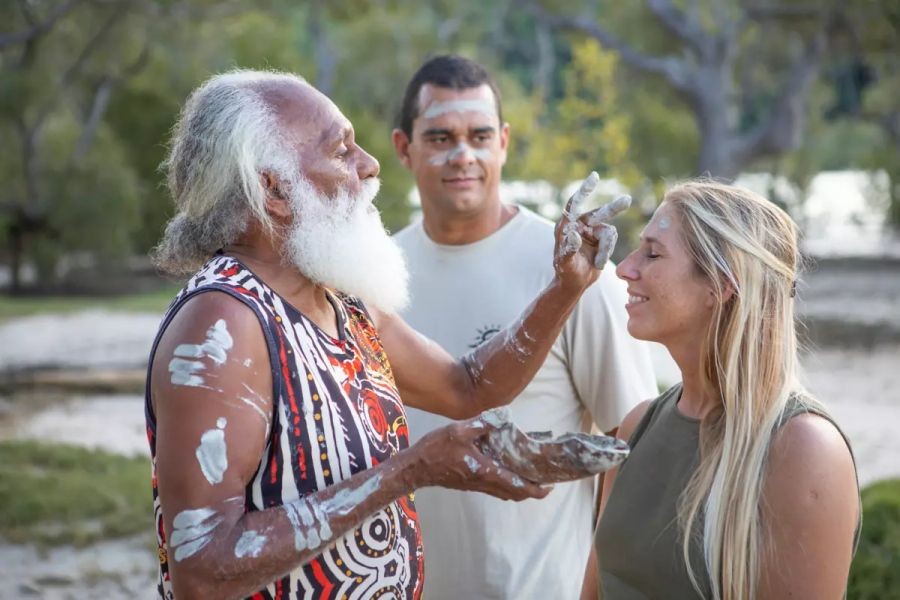
In the heart of Australia, where the oldest living cultures meet some of the most stunning landscapes on Earth, lies an untapped potential for economic growth and environmental sustainability: sustainable Indigenous tourism initiatives. These initiatives not only promise to boost the tourism sector but also provide a pathway to preserve cultural heritage, empower Indigenous communities, and contribute to a circular economy. With the Australian government increasingly recognizing the importance of sustainable development, the time is ripe for businesses and policymakers to invest in and support Indigenous tourism.
The Importance of Sustainable Indigenous Tourism in Australia
Australia's tourism industry is a significant contributor to the national economy, with the sector generating $60.8 billion in 2023 alone, according to the Australian Bureau of Statistics (ABS). Indigenous tourism, in particular, provides unique opportunities to diversify and enrich the visitor experience, offering cultural insights and connections that are unavailable elsewhere. By integrating sustainable practices, these initiatives can ensure that tourism growth does not come at the expense of cultural integrity or environmental health.
Sustainable Indigenous tourism is not just about preserving natural landscapes; it's about empowering Indigenous communities by providing economic opportunities and fostering cultural pride. This approach aligns with Australia’s commitment to the United Nations Sustainable Development Goals, particularly in promoting inclusive and sustainable economic growth.
Case Study: Australia’s Indigenous Tourism Champion – Nitmiluk National Park
Problem: Nitmiluk National Park, located in the Northern Territory, faced the challenge of balancing increased tourist activity with the preservation of its cultural and natural heritage. The park is co-managed by the Jawoyn people and the Northern Territory Government, both of whom were keen to protect their sacred lands while providing economic benefits to the local community.
Action: To address this, the Jawoyn people implemented a sustainable tourism strategy that included eco-friendly tours, cultural workshops, and a focus on educating visitors about the significance of the land. They introduced solar-powered facilities and limited visitor numbers to minimize environmental impact.
Result: Within a few years, Nitmiluk National Park saw a 25% increase in visitor satisfaction and a 40% rise in revenue from tourism activities. More importantly, employment rates among the Jawoyn community increased by 30%, showcasing the direct benefits of sustainable practices.
Takeaway: This case study highlights that sustainable Indigenous tourism can lead to economic empowerment while preserving cultural and environmental integrity. For Australian businesses, adopting similar strategies could enhance both profitability and social responsibility.
Challenges and Opportunities in Sustainable Indigenous Tourism
While the potential benefits of sustainable Indigenous tourism are clear, there are challenges that need to be addressed. One significant barrier is the lack of infrastructure in remote areas, which can hinder access and increase costs. Furthermore, there is a need for greater investment in training and capacity-building for Indigenous communities to effectively manage and promote their tourism offerings.
On the opportunity front, there is a growing global demand for authentic cultural experiences. According to Tourism Australia, international tourists are increasingly seeking out Indigenous experiences, with a reported 18% rise in interest over the past three years. This trend presents a lucrative opportunity for developing new tourism products that are both culturally enriching and environmentally sustainable.
Case Study: Global Insights – New Zealand’s Maori Tourism Success
Problem: In New Zealand, Maori tourism operators faced similar challenges of maintaining cultural authenticity while growing their businesses. Many operators were small-scale and lacked the resources to reach international markets.
Action: To overcome these challenges, the New Zealand government and Maori tourism organizations collaborated to create a national strategy focused on capacity-building, marketing support, and sustainable practices. This included training programs and partnerships with international travel agencies.
Result: Maori tourism now contributes significantly to New Zealand’s $39 billion tourism industry, with Maori operators reporting a 60% increase in revenue over the past five years. The strategy has also led to increased cultural awareness and pride within Maori communities.
Takeaway: This example demonstrates how strategic collaboration and investment in capacity-building can transform Indigenous tourism into a thriving sector. Australian policymakers and businesses can draw lessons from New Zealand’s success to develop similar initiatives.
Government Support and Policy Initiatives
The Australian government has recognized the importance of sustainable Indigenous tourism, as evidenced by initiatives like the Indigenous Advancement Strategy and funding programs dedicated to supporting Indigenous business development. The ACCC's focus on ensuring fair market practices further supports these initiatives by promoting ethical business operations that protect Indigenous interests.
Furthermore, the introduction of policies aimed at reducing carbon emissions and promoting eco-friendly practices aligns with the goals of sustainable tourism. As the Reserve Bank of Australia (RBA) notes, investment in green projects is expected to grow, providing additional financial support for sustainable tourism ventures.
Future Trends and Predictions
Looking ahead, the future of sustainable Indigenous tourism in Australia appears promising. By 2030, it is projected that Indigenous tourism could contribute over $1 billion annually to the Australian economy, driven by increased demand for cultural experiences and eco-friendly travel options.
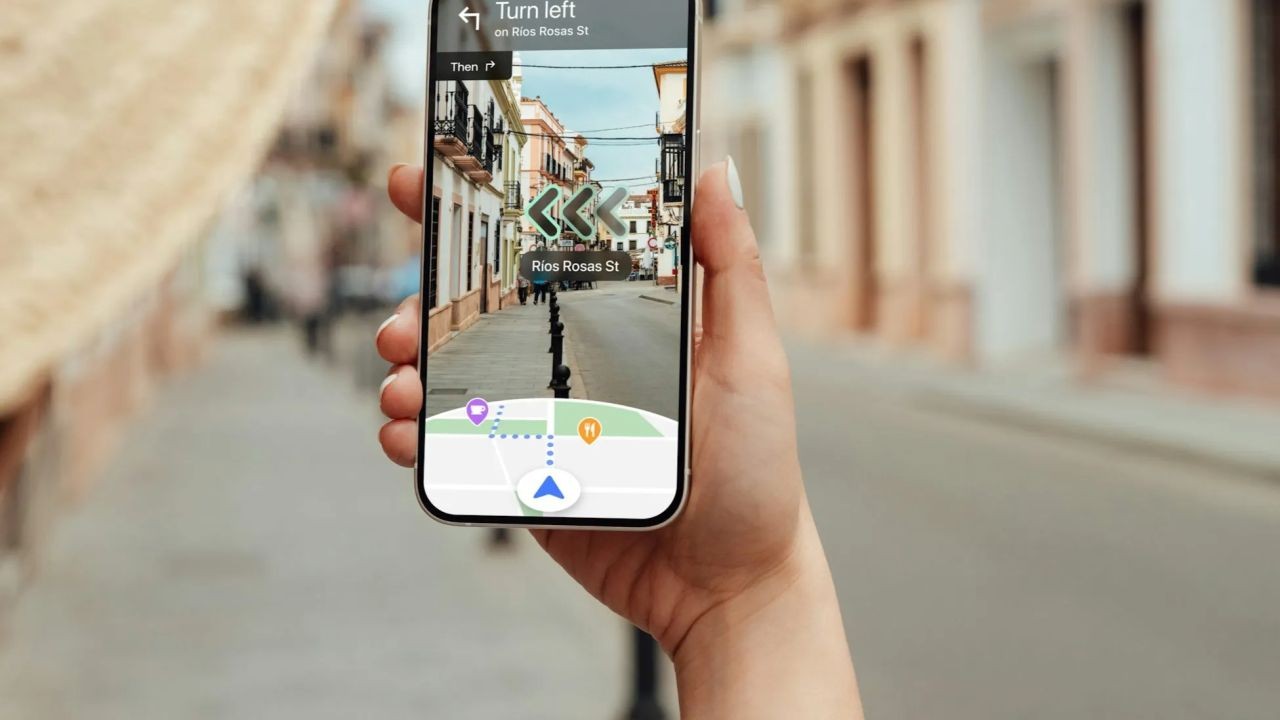
Technological advancements, such as virtual reality and digital storytelling, are expected to play a significant role in enhancing the visitor experience while minimizing environmental impact. These tools can offer immersive cultural experiences without the need for physical travel, reducing carbon footprints and preserving natural landscapes.
Conclusion
Sustainable Indigenous tourism offers a unique opportunity to blend economic growth with cultural preservation and environmental stewardship. By leveraging government support, industry collaboration, and innovative technologies, Australia can position itself as a leader in this field. The success of initiatives like those at Nitmiluk National Park and insights from global examples such as New Zealand demonstrate the potential for positive impact.
For businesses and policymakers, the challenge lies in balancing growth with sustainability, ensuring that Indigenous communities are empowered and that cultural heritage is respected. By embracing this approach, Australia can create a resilient tourism industry that benefits all stakeholders.
Final Takeaway & Call to Action
Want to contribute to the sustainable future of Australian tourism? Engage with local Indigenous communities, support eco-friendly travel initiatives, and advocate for policies that promote sustainable practices. Together, we can build a tourism industry that honors Australia’s rich cultural heritage while ensuring economic prosperity for future generations.
People Also Ask
- How does sustainable Indigenous tourism impact Australia's economy? Sustainable Indigenous tourism enhances cultural preservation and provides economic opportunities, contributing significantly to Australia's economy by attracting international visitors seeking authentic experiences.
- What are the challenges faced by Indigenous tourism operators? Indigenous tourism operators often face challenges such as lack of infrastructure, limited marketing resources, and the need for capacity-building to effectively manage tourism offerings.
- How can technology enhance Indigenous tourism experiences? Technology, such as virtual reality and digital storytelling, can provide immersive cultural experiences, reducing environmental impact while offering visitors a deeper understanding of Indigenous heritage.
Related Search Queries
- Sustainable tourism initiatives Australia
- Indigenous tourism Australia economic impact
- Eco-friendly travel Australia
- Indigenous cultural experiences Australia
- Future of tourism in Australia
- Government support for Indigenous businesses in Australia
- Technology in sustainable tourism
- How to promote Indigenous tourism
- Challenges in Indigenous tourism development
- Case studies of successful Indigenous tourism




























Broker Check Expungement Attorney
4 months ago