






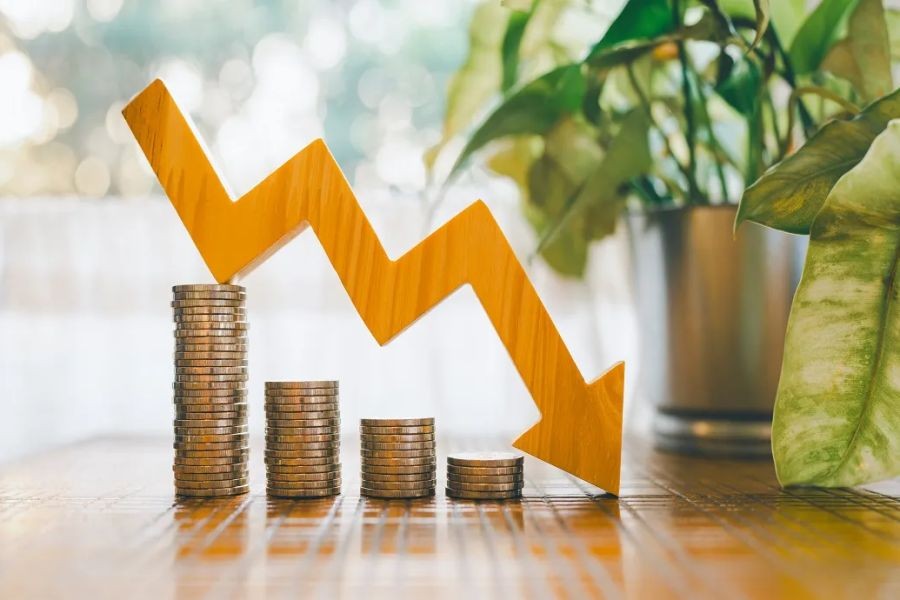
New Zealand has long been celebrated for its stunning landscapes and progressive policies. Yet, when it comes to economic growth, the conversation has shifted to a more critical focus: sustainability. The Kiwi economy, characterized by a unique blend of agricultural prowess and technological innovation, faces pressing challenges that demand a sustainable growth model. But why is this shift crucial, and what does it mean for New Zealand's future?
Understanding New Zealand's Economic Landscape
New Zealand's economy is primarily driven by agriculture, tourism, and increasingly, technology. According to Stats NZ, the primary industries contributed 7.2% to GDP in 2022, with agriculture and forestry playing significant roles. However, reliance on these sectors exposes the economy to vulnerabilities, such as climate change impacts and global market fluctuations.
The Reserve Bank of New Zealand has noted that while the country's GDP growth was consistent at around 3% annually before the pandemic, the post-COVID-19 landscape presents new challenges. The question now is how New Zealand can transition to a more sustainable growth model that mitigates risks and capitalizes on new opportunities.
The Urgency of Sustainable Growth
Global warming and environmental degradation are no longer distant threats; their impacts are felt in real-time. In 2023, New Zealand experienced one of its hottest years on record, affecting crop yields and water resources. MBIE reports that the agricultural sector's vulnerability to climate change could cost the economy billions if not addressed.
Moreover, consumer behavior is shifting. Ethical consumption is on the rise, with Consumer NZ reporting that 78% of Kiwis consider sustainability when making purchasing decisions. Businesses that fail to adapt may find themselves left behind in a rapidly evolving market.
Case Study: Zespri's Sustainable Approach
Problem: Zespri, a leading kiwifruit exporter, faced challenges with water usage and carbon emissions impacting its sustainability credentials.
Action: Zespri implemented a comprehensive sustainability strategy, including water-efficient practices and a commitment to carbon-neutral operations by 2030.
Result: The company reported a 25% reduction in water usage and a 15% decrease in carbon emissions within the first two years.
Takeaway: Zespri's approach highlights the potential for sustainability to drive both environmental and economic benefits, serving as a model for other New Zealand businesses.
Pros and Cons of Sustainable Economic Growth
Pros:
- Resilience to Global Shocks: A diversified, sustainable economy can better withstand global economic shifts.
- Environmental Stewardship: Reduces ecological footprint, aligning with global climate goals.
- Market Appeal: Enhances brand value and customer loyalty among eco-conscious consumers.
- Innovation Driver: Encourages the development of new technologies and business models.
Cons:
- Initial Costs: Transitioning to sustainable practices requires significant investment.
- Complexity: Implementing and measuring sustainability initiatives can be challenging.
- Short-Term Disruptions: Industries may face temporary setbacks during the transition.
Common Myths About Sustainable Growth
Myth: Sustainable practices are too costly for small businesses.
Reality: While initial investments may be required, sustainable practices often lead to long-term cost savings and increased efficiency (Source: NZ Business Insights).
Myth: Sustainability only benefits the environment.
Reality: Sustainable growth strategies enhance brand reputation, employee satisfaction, and customer loyalty, driving economic benefits (Source: Consumer NZ).
Future Trends: The Path Forward for New Zealand
The future of New Zealand's economy lies in innovation and sustainability. By 2028, it is projected that 40% of New Zealand's energy will come from renewable sources (Source: MBIE). Additionally, the rise of agritech and green technology sectors will play a pivotal role in reshaping the economic landscape.
New Zealand businesses must embrace these changes to remain competitive. This includes investing in sustainable technologies, adopting circular economy principles, and fostering a culture of innovation.
Conclusion: Embracing a Sustainable Future
New Zealand stands at a crossroads. The path to sustainable economic growth requires commitment, innovation, and collaboration across sectors. The benefits of such a transition are clear: a resilient economy, a healthier environment, and a brighter future for generations to come.
What’s your take on New Zealand’s economic transition? Share your insights below!
People Also Ask (FAQ)
How does sustainable growth impact businesses in New Zealand? Sustainable growth enhances resilience, market competitiveness, and consumer appeal, driving long-term success in a changing market.
What are the biggest misconceptions about sustainable growth? One common myth is that sustainability is too costly. However, evidence shows it leads to long-term savings and competitive advantages.
Related Search Queries
- Sustainable business practices in New Zealand
- New Zealand economic growth 2023
- Impact of climate change on NZ agriculture
- Renewable energy in New Zealand
- Consumer behavior trends in New Zealand



























PhilLashle
11 days ago