





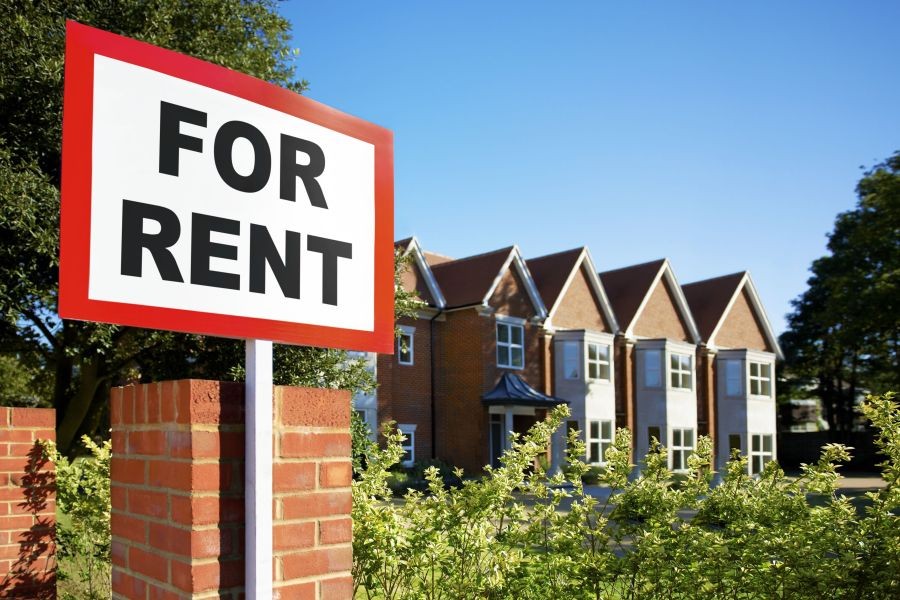
Renovating a rental property in New Zealand is not just about enhancing its aesthetic appeal; it's a strategic investment that can significantly boost your return on investment (ROI). However, the nuances of the Kiwi real estate market demand a keen understanding of local factors, industry trends, and economic forecasts. This comprehensive guide will delve into actionable strategies, expert insights, and real-world examples, tailored specifically for the New Zealand context.
Why rental renovations matter more in New Zealand right now
For decades, New Zealanders have relied on property as a cornerstone of household wealth. But the conditions that once made almost any rental investment profitable have changed. Higher interest rates, tighter lending rules, rising insurance costs, and significant regulatory reform have altered the economics of owning a rental. Renovating is no longer a cosmetic exercise or a tax-driven habit. It is now a strategic decision that can either protect returns or quietly destroy them.
At the same time, tenants are more discerning. The post-pandemic shift towards working from home, combined with sustained rental shortages in many regions, has changed what renters value and what they are willing to pay for. Against this backdrop, the question for landlords is not whether to renovate, but how to renovate without overcapitalising.
The answer lies in one deceptively simple principle that separates high-performing rental renovations from expensive mistakes.
The one trick every Kiwi landlord should understand
The highest return on investment in a New Zealand rental renovation comes from improving functional liveability at the lowest marginal cost, rather than upgrading finishes or chasing resale appeal.
In practice, this means prioritising changes that materially improve how a tenant lives in the property day to day, even if those changes are not visually dramatic. Properties that are easier to heat, easier to maintain, easier to live in, and easier to comply with regulation consistently outperform those that simply look newer.
This principle sounds obvious, yet it is routinely ignored. Many landlords renovate with future resale in mind, or based on owner-occupier taste, rather than rental performance. In the current market, that approach rarely stacks up.
How New Zealand’s rental market rewards functionality over aesthetics
Unlike some overseas markets, New Zealand’s rental sector is heavily shaped by regulation and climate. Cold, damp housing stock has long been a national issue, and the introduction of Healthy Homes Standards has fundamentally changed what constitutes an acceptable rental.
Tenants are acutely aware of heating, insulation, ventilation, and moisture control because these directly affect power bills, health, and comfort. A rental that performs well in winter will often command higher rent and attract longer-term tenants, even if its kitchen or bathroom is modest by design standards.
By contrast, high-end finishes tend to deliver diminishing returns. Stone benchtops, designer tiles, and premium appliances rarely increase rent in proportion to their cost, particularly outside premium suburbs.
Renovations that actually move the needle on ROI
In the New Zealand context, the renovations that consistently deliver returns are those that reduce friction for tenants and risk for landlords. Heating upgrades, including compliant heat pumps in living areas and sensible placement, are often more valuable than full cosmetic refreshes.
Improved insulation, particularly underfloor and ceiling where older homes fall short, not only meets legal requirements but also reduces tenant turnover. Effective ventilation in bathrooms and kitchens addresses condensation, mould, and maintenance issues that can otherwise erode returns quietly over time.
Layout changes can also matter more than finishes. Creating a defined workspace, improving storage, or reconfiguring a laundry area can significantly improve tenant satisfaction without major structural cost.
The economic logic behind functional renovations
From an ROI perspective, rental renovations should be assessed through three lenses: rent uplift, vacancy reduction, and cost containment.
Functional upgrades often improve all three simultaneously. A warmer, drier home reduces tenant complaints and turnover, lowering letting fees and vacancy periods. Better durability in high-wear areas reduces ongoing maintenance costs. Compliance-focused upgrades reduce regulatory risk and insurance complications.
Cosmetic upgrades, by contrast, often only target rent uplift, and even then with uncertain results. In many regions, market rent ceilings are driven more by location, number of bedrooms, and heating quality than by visual polish.
Regional realities across New Zealand
Renovation strategies that work in central Auckland do not necessarily translate to regional centres or provincial towns. In cities like Wellington and Dunedin, where older housing stock and colder climates dominate, thermal performance is often the primary driver of tenant demand.
In growth centres such as Hamilton, Tauranga, and Christchurch, functionality still matters, but layout flexibility and parking can also influence rental appeal. In smaller towns, reliability and low running costs often trump aesthetics entirely.
Understanding local tenant expectations is critical. The most effective landlords renovate with a clear picture of who their likely tenant is, rather than an abstract idea of market trends.
Common misconceptions that erode ROI
One of the most persistent misconceptions among Kiwi landlords is that renovating to a resale standard automatically improves rental performance. In reality, resale buyers and tenants value different things. Buyers may be swayed by visual impact and perceived luxury. Tenants prioritise comfort, affordability, and practicality.
Another misconception is that more renovation always equals higher rent. New Zealand’s rental market has price sensitivity, particularly as cost-of-living pressures persist. Overcapitalising can lock landlords into yields that no longer make sense.
There is also a tendency to underestimate disruption costs. Renovations that require long vacancies or repeated access can erase months of potential gains if not carefully staged.
Policy, compliance, and unintended consequences
Government policy plays a significant role in shaping renovation ROI. Healthy Homes compliance deadlines have forced many landlords to invest simultaneously, pushing up costs for labour and materials. While these upgrades are often necessary, doing more than required does not always produce proportional returns.
There is also ongoing debate within the property sector about whether increasing compliance costs ultimately reduce rental supply. Some landlords have exited the market rather than renovate, particularly at the lower end. For those who remain, strategic renovation choices have become even more important.
Understanding minimum standards versus value-adding improvements is essential. Meeting compliance is non-negotiable, but exceeding it should be done selectively and with clear financial logic.
How professional investors approach renovation decisions
Experienced New Zealand property investors tend to work backwards from cash flow rather than forwards from design. They start with realistic rent assessments, factor in conservative vacancy assumptions, and then allocate renovation budgets accordingly.
They also prioritise durability. Materials that withstand tenant wear, such as robust flooring and simple fixtures, often outperform visually striking alternatives over time. The goal is not to impress, but to endure.
Importantly, these investors document renovations carefully. Clear records support depreciation claims where applicable and assist with insurance and future resale, even though tax treatment has become more restrictive.
The cultural factor in Kiwi rentals
New Zealand has a unique rental culture shaped by high home ownership aspirations and relatively short tenancy histories. Many tenants view rentals as transitional, but still expect dignity and comfort.
Renovations that acknowledge this, by providing warmth, privacy, and functional space, tend to foster better tenant relationships. This has a direct financial impact through longer tenancies and fewer disputes.
Overly luxurious renovations can sometimes backfire culturally, creating a mismatch between perceived value and rent expectations, or attracting tenants whose expectations exceed what the property can realistically deliver long term.
Looking ahead: what smart renovation will mean over the next five years
Over the next three to five years, the most successful rental renovations in New Zealand will be those that quietly improve performance rather than visibly upgrade appearance. As energy costs rise and regulatory scrutiny continues, functional efficiency will increasingly define rental value.
Landlords who understand this will focus on making properties resilient, compliant, and comfortable, rather than fashionable. Those who do not may find themselves locked into high-cost assets with limited yield flexibility.
The one trick every Kiwi landlord should know is not a shortcut or loophole. It is a mindset shift. Renovate for how people live, not how properties sell. In today’s New Zealand rental market, that distinction is where maximum ROI is found.
Understanding the New Zealand Rental Market
New Zealand's rental market is deeply intertwined with its economic landscape. According to Stats NZ, the median weekly rent increased by 22% between 2015 and 2023. This trend highlights the growing demand for rental properties, driven by urbanization and population growth. As a property owner, understanding these dynamics is crucial for making informed renovation decisions that maximize ROI.
Step 1: Strategic Planning and Budgeting
Before diving into renovations, it's imperative to develop a well-structured plan. This involves setting a realistic budget, identifying key areas of improvement, and ensuring compliance with local regulations. The Ministry of Business, Innovation, and Employment (MBIE) emphasizes the importance of adhering to the Healthy Homes Standards, which mandate specific heating, insulation, and ventilation requirements for rental properties.
- Research Local Trends: Analyze the preferences of your target demographic. For instance, families may prioritize proximity to schools, while young professionals might value modern amenities.
- Set a Budget: Allocate funds wisely, focusing on high-impact renovations such as kitchen and bathroom upgrades, which typically yield higher returns.
- Compliance: Ensure all renovations meet the Healthy Homes Standards to avoid legal complications and potential fines.
Step 2: Prioritizing High-Impact Renovations
Not all renovations are created equal. Prioritizing projects that offer the most significant ROI is essential. Data from the New Zealand Property Investors’ Federation indicates that kitchen and bathroom remodels can increase property value by up to 20%.
Case Study: Auckland Apartment Transformation
Problem: A property owner in Auckland faced low tenancy rates due to outdated amenities. Rents were below market average, impacting overall profitability.
Action: The owner invested in modernizing the kitchen and bathroom, installing energy-efficient appliances, and implementing smart home technology.
Result: Post-renovation, the apartment achieved full occupancy within two months, with rental income increasing by 30%. Tenants reported higher satisfaction, leading to longer lease terms.
Takeaway: Strategic renovations that align with tenant preferences can significantly enhance property value and rental income.
Step 3: Leveraging Sustainable Practices
Sustainability is not just a buzzword; it's a necessity in today's real estate market. Incorporating eco-friendly features can not only attract environmentally conscious tenants but also reduce long-term operational costs.
- Energy Efficiency: Install LED lighting, energy-efficient appliances, and solar panels to reduce utility expenses.
- Water Conservation: Implement low-flow fixtures and rainwater harvesting systems.
- Material Choices: Opt for sustainable materials such as bamboo flooring and recycled glass countertops.
Common Myths & Mistakes
Renovating rental properties involves navigating through several misconceptions. Here are a few debunked myths:
- Myth: "All renovations increase property value." Reality: Only targeted renovations aligned with tenant needs and market demands enhance value.
- Myth: "DIY renovations are cost-effective." Reality: Poor quality work can lead to higher costs in the long run due to repairs and maintenance.
- Myth: "Renovations guarantee immediate returns." Reality: ROI depends on various factors, including market conditions and tenant demographics.
Future Trends in New Zealand's Rental Market
As New Zealand continues to evolve, several trends are likely to shape the rental property landscape. According to a report by MBIE, urban areas will witness increased demand for rental properties, driven by population growth and urbanization. Property owners should focus on adaptive reuse of spaces, integrating technology, and emphasizing sustainability to remain competitive.
Conclusion
Renovating a rental property in New Zealand requires a strategic approach that considers local market dynamics, tenant preferences, and sustainability. By aligning renovations with these factors, property owners can significantly enhance ROI. As the rental market continues to evolve, staying informed about industry trends and adopting innovative strategies will be key to long-term success.
Ready to maximize your rental property's potential? Share your insights and experiences in the comments below!
People Also Ask (FAQ)
- How does renovating rental properties impact ROI in New Zealand? Renovations tailored to tenant preferences and market demands have been shown to increase ROI by up to 30%, according to the New Zealand Property Investors’ Federation.
- What are common mistakes to avoid when renovating rental properties? Avoid focusing on low-impact renovations and ensure compliance with the Healthy Homes Standards to prevent legal issues and maximize returns.
- What upcoming changes could affect rental property renovations in New Zealand? By 2026, policy updates related to sustainability and energy efficiency are expected to reshape renovation strategies in the rental market.
Related Search Queries
- Best ROI renovations for rental properties
- New Zealand rental property trends 2024
- Compliance with Healthy Homes Standards NZ
- Sustainable renovation practices
- Maximizing rental income in Auckland