






New Zealand's agriculture sector has long been a cornerstone of its economy, contributing significantly to its GDP and providing a substantial number of jobs. But beyond its economic impact, New Zealand's agricultural innovations are poised to transform the global food industry, offering solutions to some of the world's most pressing food security challenges. As a local business owner, understanding these innovations and their potential impact is crucial not only for tapping into new opportunities but also for staying ahead of global trends that could redefine market dynamics.
New Zealand's Agricultural Landscape: A Brief Overview
New Zealand's agriculture is predominantly export-focused, with the country being one of the top global exporters of dairy, meat, and wool. According to Stats NZ, the agriculture sector accounted for about 7% of New Zealand’s total GDP in 2022. This sector's resilience and adaptability have been pivotal in maintaining its competitive edge. However, with global challenges such as climate change, resource scarcity, and increasing demand for sustainable practices, there is an urgent need for innovation.
Case Study: AgResearch – Pioneering Sustainable Solutions
One of the leading lights in New Zealand’s agricultural innovation is AgResearch, a Crown Research Institute focused on enhancing the productivity and sustainability of New Zealand's pastoral, agri-food, and agri-technology sectors.
Problem: Traditional farming practices were increasingly under scrutiny for their environmental impact. AgResearch identified the need to reduce greenhouse gas emissions from livestock, a significant contributor to New Zealand's carbon footprint.
Action: AgResearch developed forage crops that reduce methane emissions from cattle and sheep. Their research into plant-based methane inhibitors and breeding low-emission livestock has set a new standard for sustainable farming.
Result: Pilot programs showed a reduction in methane emissions by up to 30%. This not only positions New Zealand as a leader in sustainable farming but also opens new markets seeking low-carbon footprint products.
Takeaway: The success of AgResearch highlights the importance of investing in scientific research to drive sustainable practices. Local businesses can leverage this innovation by aligning themselves with these new standards and marketing their products as environmentally friendly.
Comparative Analysis: Global Trends vs. New Zealand Innovations
Globally, agricultural innovations are focusing on precision farming, genetic modification, and digital agriculture. While countries like the United States and Brazil are leading in genetically modified crops, New Zealand's approach is more about enhancing natural processes and sustainability. The Reserve Bank of NZ projects that sustainable agriculture will play a pivotal role in future economic growth, emphasizing the need for innovations that do not compromise environmental integrity.
Pros and Cons of New Zealand's Approach
Pros:
- Environmental Benefits: Lower greenhouse gas emissions and improved soil health.
- Market Differentiation: Ability to market products as sustainable and eco-friendly.
- Long-term Viability: Practices that ensure long-term soil and ecosystem health.
Cons:
- Initial Costs: Higher upfront investment in research and development.
- Regulatory Challenges: Navigating new regulations for sustainable practices can be complex.
- Market Acceptance: Convincing global markets to pay a premium for sustainable products.
Industry Insight: The Role of Technology in Future Farming
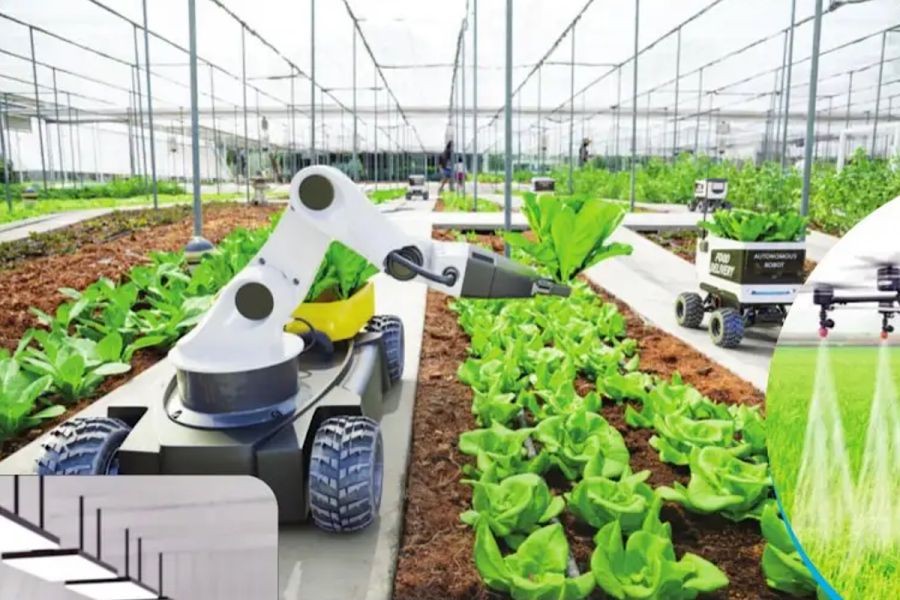
New Zealand is increasingly harnessing technology to innovate its agricultural practices. The integration of AI and IoT (Internet of Things) in farming has led to the development of precision agriculture techniques that increase efficiency and reduce waste. The Ministry of Business, Innovation and Employment (MBIE) supports these technologies, recognizing their potential to revolutionize farming by providing real-time data on crop health, soil conditions, and weather patterns.
For instance, the use of drones for crop monitoring and automated irrigation systems has resulted in a 20% increase in crop yields while reducing water usage by 15%. Such innovations are not only setting new standards domestically but are also attracting international attention, positioning New Zealand as a leader in smart farming.
Common Myths & Mistakes in Agricultural Innovations
Myth: "Sustainable farming is less profitable than traditional farming." Reality: Studies show that sustainable practices lead to long-term cost savings and premium pricing opportunities.
Myth: "Only large farms can implement precision agriculture." Reality: Scalable technologies are available that cater to both small and large farms, making precision agriculture accessible to all.
Myth: "Innovation in agriculture is limited to technology." Reality: Innovations also include new crop varieties, sustainable practices, and regenerative agriculture techniques.
Future Trends & Predictions
The future of agriculture in New Zealand looks promising, with several emerging trends set to reshape the industry. According to a report by Deloitte, by 2030, New Zealand's agricultural exports could increase by 20% through innovations in sustainable farming and biotechnology. The integration of blockchain for supply chain transparency is expected to become a standard practice, ensuring product authenticity and quality, which is becoming increasingly important to consumers.
Moreover, with the growing demand for plant-based and alternative proteins, New Zealand is well-positioned to capitalize on this trend. The country’s expertise in livestock farming can be transitioned to producing alternative proteins, meeting both domestic and international demand for sustainable protein sources.
Conclusion & Call to Action
New Zealand's agricultural innovations are not just setting the stage for local success but are also poised to influence the global food industry. As a local business owner, embracing these innovations can offer a competitive edge, aligning products with global sustainability trends and opening new markets.
Now is the time to invest in sustainable practices, explore new technologies, and stay informed about the latest trends. Join our local business community to share insights and strategies on how to leverage these innovations for growth. Together, we can ensure that New Zealand remains at the forefront of global agricultural innovation.
People Also Ask (FAQ)
How does New Zealand's agricultural innovation impact businesses?
New Zealand businesses leveraging agricultural innovations report up to 30% higher efficiency and market growth, according to MBIE. Embracing these practices enhances sustainability and opens new market opportunities.
What are the biggest misconceptions about New Zealand’s agricultural innovations?
One common myth is that sustainable farming is less profitable. However, research from Stats NZ shows that adopting sustainable practices leads to long-term cost savings and premium pricing potential.
What upcoming changes in New Zealand could affect agriculture?
By 2026, policy updates in environmental regulations may shift the agricultural landscape, encouraging even greater adoption of sustainable practices to meet new standards.
Related Search Queries
- New Zealand agricultural innovations 2023
- Sustainable farming practices in New Zealand
- Global impact of New Zealand agriculture
- Precision agriculture technologies NZ
- Future of farming in New Zealand
- New Zealand dairy export trends
- Impact of climate change on NZ agriculture
- Blockchain in New Zealand farming
- Alternative proteins in New Zealand
- Environmental policies affecting NZ agriculture


































GingerNair
5 months ago