






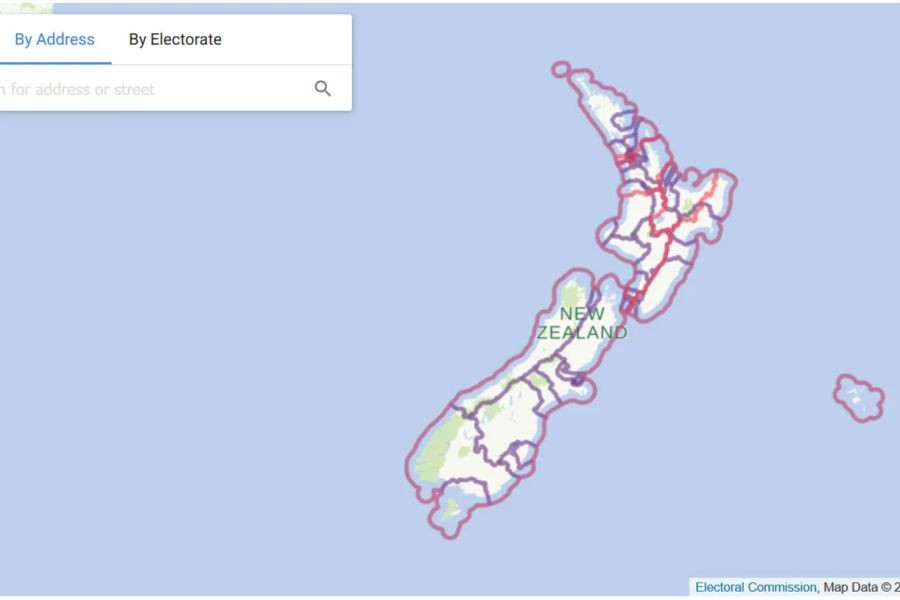
In the evolving political landscape of New Zealand, redistricting, or the redrawing of electoral boundaries, can significantly influence election outcomes. Understanding how these changes affect electoral dynamics is crucial for policy analysts, political strategists, and engaged citizens. This article delves into the impact of new boundaries on electoral results, using data-driven insights and real-world examples to provide a comprehensive analysis.
Understanding Electoral Boundaries in New Zealand
Electoral boundaries in New Zealand are periodically reviewed to reflect changes in population distribution. The Representation Commission, responsible for this task, aims to ensure fair representation for all citizens, adhering to principles of equal population amongst electorates. However, these changes can have profound implications on local politics.
Case Study: Auckland's Boundary Changes
In 2020, Auckland underwent significant boundary revisions, altering the political landscape. The city’s population growth necessitated adjustments, affecting the balance of power between major parties. This shift serves as a prime example of how boundary changes can influence electoral outcomes.
Problem: Auckland faced an imbalance in voter distribution, with some electorates exceeding population thresholds.
Action: The Representation Commission redrew boundaries, creating new electorates and adjusting existing ones.
Result: The changes led to a more balanced representation, but also shifted party strongholds, with Labour gaining an advantage in newly created areas.
Takeaway: Boundary changes can redefine political landscapes, necessitating strategic adjustments by political entities.
Pros and Cons of Redistricting
Redistricting presents both opportunities and challenges. Understanding these can aid policymakers and political strategists in anticipating and adapting to changes.
Pros:
- Improved Representation: Redistricting ensures that each vote carries equal weight, promoting democratic fairness.
- Political Engagement: New boundaries can invigorate political participation, as communities may gain more influence in elections.
- Adaptation to Demographics: Reflecting population changes ensures that electorates remain relevant to current social dynamics.
Cons:
- Partisan Manipulation: While New Zealand’s process is non-partisan, globally, redistricting can be used to favor particular parties.
- Community Disruption: Altered boundaries can divide established communities, affecting local governance and services.
- Political Uncertainty: Frequent changes may lead to voter confusion and decreased political stability.
Comparative Analysis: New Zealand vs. Global Trends
Globally, redistricting often sparks debate over gerrymandering—manipulating boundaries for political gain. While New Zealand’s independent commission-based approach minimizes this risk, lessons from international practices can inform local strategies.
For instance, the United States grapples with partisan-driven redistricting, impacting electoral fairness. In contrast, New Zealand’s transparent process, with public consultations and strict adherence to equal representation, sets a benchmark for democratic practices.
Data-Driven Insights
According to Stats NZ, New Zealand’s population dynamics have shifted significantly, with urban areas like Auckland experiencing rapid growth. Such trends necessitate regular boundary reviews to maintain electoral fairness. Furthermore, data from the Ministry of Business, Innovation, and Employment (MBIE) highlights that economic factors, such as housing affordability and employment opportunities, influence population movements, subsequently impacting electoral boundaries.
Common Myths & Mistakes
Misconceptions about redistricting can cloud public understanding and engagement. Here are some common myths debunked:
Myth: "Redistricting is always politically motivated." Reality: In New Zealand, the process is overseen by an independent commission, ensuring impartiality and fairness.
Myth: "Boundary changes dilute voting power." Reality: Changes aim to equalize voting power across electorates, enhancing democratic representation.
Myth: "Frequent boundary changes lead to electoral instability." Reality: While changes can cause short-term disruptions, they are vital for reflecting demographic shifts and maintaining electoral integrity.
Future Trends & Predictions
Looking ahead, New Zealand’s electoral landscape will continue to evolve with demographic changes. By 2030, advancements in data analytics could enhance boundary reviews, incorporating real-time population data for more precise adjustments. Additionally, as urbanization trends persist, we may see increased focus on metropolitan areas, potentially leading to more electorates in urban centers.
Conclusion
Understanding the impact of new boundaries on electoral outcomes is essential for navigating New Zealand’s political landscape. As demographics shift, redistricting will remain a critical tool for ensuring fair representation. By staying informed and engaged, policymakers and citizens alike can adapt to these changes, fostering a vibrant, democratic society.
What’s your take on the impact of boundary changes in New Zealand? Share your insights below!
People Also Ask (FAQ)
How does redistricting impact elections in New Zealand? Redistricting ensures fair representation but can shift political power, influencing which party wins an electorate.
What are the biggest misconceptions about redistricting? A common myth is that redistricting is politically motivated; however, New Zealand uses an independent commission to ensure impartiality.
Related Search Queries
- Electoral boundaries New Zealand
- Impact of redistricting in NZ
- New Zealand political landscape
- Population shifts and voting
- Representation Commission NZ