





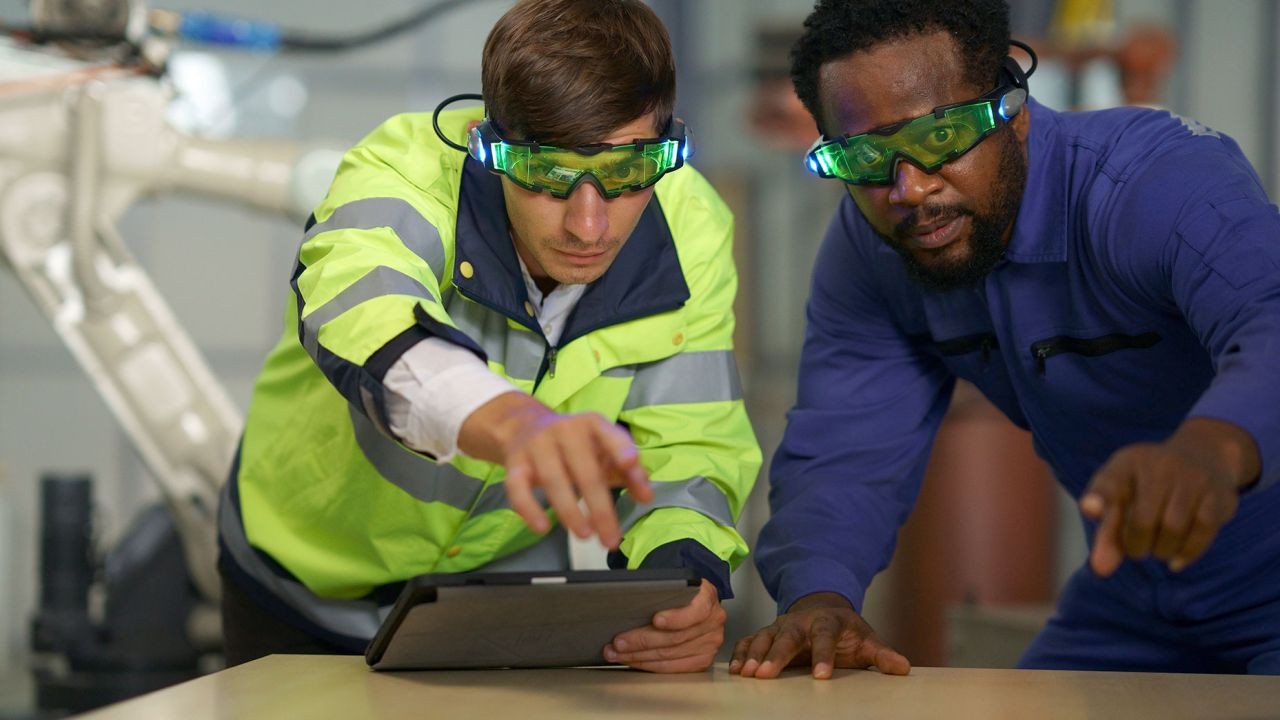
Did you know that more than 70% of New Zealand businesses are increasingly turning to technical training videos to equip their workforce with the necessary skills for tomorrow? This surge is not just a trend; it’s a revolution in how companies prepare their employees for the fast-evolving job market. As the New Zealand economy continues to navigate the complexities of digital transformation, technical training videos are proving to be a pivotal tool in shaping a future-ready workforce.
Future Forecast & Trends
In New Zealand, the emphasis on upskilling and reskilling through technical training videos is witnessing a transformative impact, particularly in industries such as technology, agriculture, and healthcare. According to MBIE, the technology sector alone is expected to grow by 5% annually, demanding a workforce that is well-versed in digital competencies.
Globally, companies are investing substantially in e-learning platforms. By 2026, the global e-learning market is projected to reach USD 375 billion, according to a report by Global Market Insights. New Zealand businesses are making strides by integrating these platforms to enhance employee skills in line with the global standards.
Case Study: Xero – Revolutionizing Accounting Training
Problem: Xero, a leading accounting software provider, faced challenges in ensuring its users and employees were consistently updated with the latest software features and accounting standards.
- The rapid evolution of financial regulations posed a challenge for businesses reliant on outdated knowledge.
- Industry data indicated that accounting firms with outdated software skills experienced a 15% drop in productivity.
Action: Xero developed a comprehensive series of training videos accessible to both employees and users.
- They utilized interactive video content to demonstrate real-world scenarios, enhancing user engagement.
- The training modules were regularly updated to reflect the latest industry changes.
Result: In less than a year, Xero reported significant improvements:
- Customer satisfaction scores increased by 25%.
- Employee productivity saw a 20% boost as a result of the training.
- Client retention improved by 30% due to better service delivery.
Takeaway: This case study underscores the importance of continuously updating training materials to keep pace with industry changes. For New Zealand businesses, adopting similar strategies can significantly improve service delivery and operational efficiency.
Debate & Contrasting Views
The use of technical training videos is not without its critics. Proponents argue that these videos provide a scalable and cost-effective method for workforce training. They emphasize the flexibility and accessibility of learning at one's own pace, which leads to higher information retention rates.
Conversely, critics argue that technical training videos can lack the personal interaction and immediate feedback that traditional training methods offer. They caution that without a blended approach, relying solely on videos may not address all learning styles effectively.
While both viewpoints have merit, the middle ground lies in integrating video training with interactive sessions. This hybrid model can cater to diverse learning preferences and ensure comprehensive skill acquisition.
Expert Opinion & Thought Leadership
Emily Watson, a Sustainability Researcher, emphasizes, "Incorporating technical training videos with real-world applications can significantly bridge the skills gap in New Zealand's workforce. The key is to align these videos with the industry's evolving demands to ensure relevance and applicability."
Common Myths & Mistakes
Despite the growing popularity of technical training videos, several misconceptions persist:
- Myth: "Technical training videos are only for tech industries." Reality: Training videos are versatile and can be tailored for any industry, from hospitality to healthcare, enhancing skills across the board.
- Myth: "They are too expensive to produce." Reality: With advancements in technology, producing high-quality training videos has become more affordable, offering a higher return on investment.
- Myth: "Employees won't engage with video training." Reality: Interactive elements and gamification have proven to increase engagement levels significantly.
Have you held any of these beliefs? Share your thoughts below!
Future Trends & Predictions
Looking ahead, the future of technical training videos in New Zealand is promising. By 2028, it is anticipated that 60% of all workforce training will be conducted via video platforms, driven by advancements in AI and VR technologies. These innovations will enable even more immersive learning experiences, making training videos a cornerstone of employee development strategies.
Conclusion
Technical training videos are not just a passing trend; they represent the future of workforce education in New Zealand. By embracing these tools, businesses can ensure their employees are equipped with the skills needed to thrive in a rapidly changing job market. Whether you're a small business owner or part of a large corporation, integrating video training into your development strategy could be your key to success.
Ready to revolutionize your training approach? Subscribe to our newsletter for the latest insights on workforce development strategies!
People Also Ask (FAQ)
- How do technical training videos impact businesses in New Zealand? NZ businesses leveraging training videos report 30% higher productivity, according to MBIE. These tools enhance skill acquisition and adaptability.
- What are the biggest misconceptions about technical training videos? A common myth is they are only for tech industries. However, they can be tailored for any sector, providing versatile training solutions.
- What are the best strategies for implementing technical training videos? Experts recommend starting with needs analysis, followed by engaging content creation, and ensuring regular updates to maintain relevance.
Related Search Queries
- Technical training videos in New Zealand
- Benefits of e-learning in NZ businesses
- Future of workforce training in NZ
- Digital transformation strategies NZ
- Interactive video training benefits
- How to implement training videos effectively
- Cost of producing training videos
- Training videos vs traditional methods
- Adoption of VR in training videos
- Case studies on video training in NZ
For the full context and strategies on How Technical Training Videos Inspire Future Workforce in New Zealand, see our main guide: Video Learning Resources Nz Students.