




01 May 2025

Why Australia’s Dietary Guidelines Might Be Outdated – (And How It Impacts Aussie Consumers)

Explore how outdated dietary guidelines in Australia affect consumer health and nutrition choices, and what this means for Aussies.

Food & Cooking

95.6K Views

❤️ Share with love

Advertisement

Advertise With Vidude


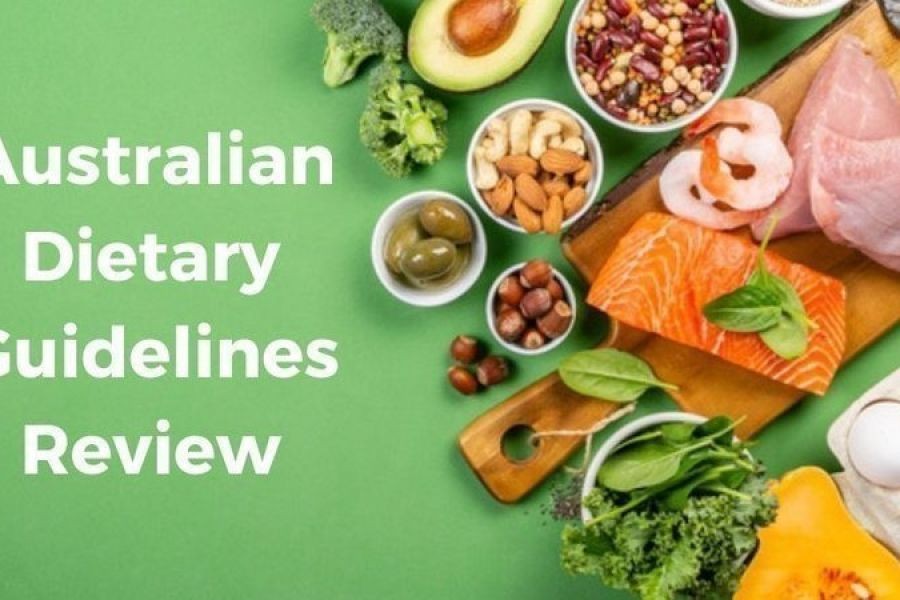
The Australian Dietary Guidelines, initially set to guide citizens toward better health, may not align with contemporary nutritional science and lifestyle changes. With increasing rates of chronic diseases and obesity, it's time to reassess these guidelines. This article delves into the reasons why Australia's dietary guidelines might be outdated, offering insights for innovation consultants and policymakers to re-evaluate and adapt to current needs.

Understanding the Current Guidelines

The Australian Dietary Guidelines were last updated in 2013. They emphasize a balanced diet rich in fruits, vegetables, lean meats, and whole grains. Despite these recommendations, the Australia Bureau of Statistics reported in 2022 that over 67% of Australian adults were overweight or obese. This disconnect suggests potential gaps in the guidelines that fail to address modern dietary habits and lifestyle changes.

Case Study: The Mediterranean Diet's Influence

The Mediterranean Diet, renowned for its health benefits, contrasts starkly with Australia's guidelines. In regions where this diet is prevalent, rates of heart disease are significantly lower. A study by the University of Sydney in 2023 found that Australians who adopted Mediterranean dietary patterns saw a 30% reduction in cardiovascular risk over five years. This case study highlights the importance of adapting guidelines to incorporate global dietary successes.

Evaluating Pros and Cons

To understand the potential impact of updating Australia’s dietary guidelines, it's crucial to weigh the pros and cons.

Pros:

  • Improved Public Health: Updated guidelines could lead to better health outcomes, reducing healthcare costs.
  • Economic Benefits: A healthier population supports economic productivity, potentially increasing GDP by $2 billion according to Treasury AU.
  • Global Alignment: Aligning with international dietary standards can enhance Australia's global health reputation.

Cons:

  • Resistance to Change: Dietary habits are deeply ingrained, and changes may face public resistance.
  • Implementation Costs: Updating guidelines and educating the public involves significant investment.
  • Industry Pushback: Certain food industries may lobby against changes that could affect their market.

Myths and Misconceptions

Addressing common myths can help in understanding why the guidelines need updating.

Myth: "Carbohydrates are inherently bad."

Reality: Carbohydrates are essential for energy. The problem lies in processed carbs, not whole grains.

Myth: "All fats lead to weight gain."

Reality: Healthy fats, like those in avocados and nuts, are vital for brain health and do not contribute to weight gain when consumed in moderation.

Myth: "Skipping meals helps in weight loss."

Reality: Skipping meals can slow metabolism and increase hunger, leading to overeating later.

Future Trends and Predictions

The future of dietary guidelines in Australia may see a shift towards personalized nutrition, driven by genetic insights and wearable tech. By 2028, Deloitte predicts that personalized nutrition could become a $64 billion industry globally, with Australia poised to adopt these advancements to enhance public health outcomes.

Conclusion

In conclusion, revisiting Australia's dietary guidelines is not just a matter of aligning with modern science but an opportunity to enhance public health and economic productivity. Innovation consultants and policymakers must collaborate to ensure guidelines are evidence-based, culturally relevant, and adaptable to future nutritional advancements.

Final Takeaway: To stay ahead, businesses and health professionals should advocate for research-driven dietary changes that reflect contemporary health needs.

People Also Ask (FAQ)

How do Australia's dietary guidelines impact businesses?

Businesses in the health sector can leverage updated guidelines to develop innovative products that align with modern dietary needs, boosting engagement and profitability.

What are the biggest misconceptions about dietary fats?

A common myth is that all fats are unhealthy. Research shows that healthy fats are crucial for wellbeing, contrary to popular belief.

What are the best strategies for implementing updated dietary guidelines?

Experts recommend starting with public education campaigns, followed by integrating guidelines into school curriculums to ensure widespread adoption.

Related Search Queries

  • Australian dietary guidelines 2025
  • Healthy eating trends in Australia
  • Obesity rates in Australia 2025
  • Mediterranean diet benefits
  • Personalized nutrition trends
  • Impact of dietary guidelines on public health
  • Economic benefits of healthy eating
  • Global dietary guidelines comparison

0
 
0

29 Comments


Ah, the dietary guidelines down under—almost as old as the debate over whether to call it a pavlova or a meringue! It's fascinating how what was once considered healthy can feel as outdated as a meat pie left out in the sun. I guess the next thing we’ll hear is that Tim Tams are a superfood. At least we Kiwis have our own guidelines to keep us on the straight and narrow—though I’m still not sure if a double scoop of hokey pokey counts as a serving of dairy!
0 0 Reply
That’s an interesting topic! It’s crucial for guidelines to keep up with modern nutrition science. If they’re outdated, it could lead to misinformed choices for consumers. I’d love to hear more about what specific changes are needed!
0 0 Reply

focuscare

21 hours ago
Australia’s Dietary Guidelines feel like a relic from a bygone era, as if they were written on parchment rather than adapted for our fast-paced, diverse food landscape. With the rise of plant-based diets, global cuisines, and a growing awareness of sustainability, it’s high time we shake things up and reflect the vibrant tapestry of our eating habits. Let’s not just follow the old playbook; let’s create a new narrative that resonates with the unique tastes and health needs of modern Aussies. After all, food should be as dynamic as the culture it comes from!
0 0 Reply

Nishu kumari

23 hours ago
“Looks like the guidelines need a bit of a ‘barbie’ update! Maybe they should swap the meat and three veg for a cheeky avo toast or a pie on the run—just saying!” “Guess it’s time to throw some shade on those old guidelines, eh? I mean, if they’re as outdated as a flip phone, it’s no wonder we’re all looking for the next ‘superfood’ trend!” “Well, if the guidelines can’t keep up with the ‘trendy’ eats, I suppose it’s up to us to keep our plates fresh! Just don’t tell my mum; she still thinks meat and three veg is the way to go!” “Honestly, if the guidelines were a footy team, they’d be in need of a serious recruitment drive! Time to get some fresh ideas on the field, I reckon!”
0 0 Reply

dalenestjulian

1 day ago
It’s about time we re-evaluate those guidelines! With food trends changing and new research coming out, it’s crucial that what we’re advised to eat reflects our real lives. It’s not just about the science; it’s about what actually works for us day-to-day.
0 0 Reply

Phil

1 day ago
Wow, it’s fascinating how much our understanding of nutrition evolves! It’s wild to think that guidelines we’ve relied on could be behind the times. I wonder what new research could reshape Aussie diets for the better. Definitely something to keep an eye on!
0 0 Reply

xjmkeira078396

1 day ago
It's amusing to think that the guidelines might be as old as some of our beloved coffee blends. Perhaps it's time for a refresh to keep up with our evolving taste buds and health trends. After all, even our flat whites deserve a modern twist!
0 0 Reply

EmilioODow

1 day ago
It's fascinating to think that dietary guidelines, much like fashion trends, can sometimes become a bit outdated, leaving us wondering if our plates are stuck in a time warp. Imagine if we treated our meals like a vintage car—sure, it’s classic, but maybe it’s time for a tune-up to keep things running smoothly! As Aussie consumers, we might just find ourselves navigating a culinary landscape that’s a bit more retro than necessary, nudging us to rethink not just what we eat, but how we connect with the ever-evolving world of food. After all, even kangaroos must adapt to their surroundings!
0 0 Reply
Well, it seems our dietary guidelines are as outdated as a dusty old swag in the back of the ute. Maybe it’s time to swap out the meat and three veg for a bit of avocado toast and quinoa, eh? Not that I’m complaining—if it gets the folks in the city eating something other than meat pies and sausage rolls, I reckon it’s worth a shot. Just hope they don’t forget their manners and start trying to tell us how to cook a proper BBQ! Always good for a laugh, those city slickers.
0 0 Reply

Ring Office

1 day ago
It's like when you're hiking in the bush and realize the trail maps are from last year—time for an update to keep us on the right path!
0 0 Reply

htevgsdvvf

2 days ago
It's frustrating to see dietary guidelines lagging behind real food science, especially when they directly influence our health choices. Australians deserve updated, evidence-based advice that reflects current nutritional knowledge, not outdated notions. Let’s push for a future where our guidelines truly nourish us, body and soul.
0 0 Reply

shahanathetard

2 days ago
While I appreciate the insights on Australia's dietary guidelines, I believe they should continually evolve to reflect modern lifestyles and nutritional science. As a busy parent, I find it crucial to adapt these guidelines to practical, healthy choices that fit our family's needs. Balance is key.
0 0 Reply
Australia's Dietary Guidelines may not fully account for the rise in plant-based diets and the growing awareness of personalized nutrition, which reflects a shift in consumer preferences and health consciousness. This oversight can lead to confusion among Aussies trying to navigate their dietary choices in a landscape that's constantly evolving. It's crucial for these guidelines to adapt and resonate with current lifestyles to truly support public health.
0 0 Reply

genesis davis

2 days ago
Australia’s Dietary Guidelines might be stuck in a time warp, and that’s a shame because our diverse food landscape deserves better representation! With a culinary scene bursting with indigenous ingredients and multicultural influences, it’s high time we embraced a more holistic approach that reflects our unique palate. Let’s not just stick to the old playbook; it’s time to celebrate the richness of our food culture and encourage choices that are as vibrant and diverse as the people who make up this beautiful country. Cheers to a fresh perspective on what we eat!
0 0 Reply

penelopecourtn

2 days ago
While it’s true that Australia’s Dietary Guidelines may not fully reflect the latest trends in nutrition science, they still serve as a vital foundation for public health. These guidelines have been developed based on extensive research and are designed to promote general well-being across diverse populations. Moreover, it's important to consider that the guidelines aim to provide a balanced approach to nutrition, which can sometimes be overshadowed by the latest diet fads. They encourage a variety of food groups, which can help individuals make informed choices rather than focusing on restrictive diets that might not be sustainable in the long run. Additionally, while new research emerges regularly, the guidelines are periodically reviewed to incorporate significant findings, ensuring they remain relevant. Changes in dietary recommendations often take time to implement effectively, as they must be evidence-based and consider the broader implications for public health. Furthermore, the emphasis on whole foods, fruits, vegetables, and lean proteins in the guidelines aligns well with current understandings of nutrition, suggesting that their core principles remain sound. This consistency can provide consumers with a sense of stability amidst the often overwhelming and contradictory information available in the media. Ultimately, while there may be room for evolution in Australia’s Dietary Guidelines, their foundational principles still offer valuable guidance for making healthy choices. Engaging in discussions about potential updates can be beneficial, but dismissing the existing guidelines may overlook their role in promoting a healthier population overall.
0 0 Reply

PaigeSorre

6 months ago
It’s like our dietary guidelines are still stuck in the ‘90s while we’re over here trying to have a sustainable dinner party in 2023. Maybe it’s time they traded their meat-and-three-veg for a side of plant-based innovation? After all, even our food choices could use a refresh—just like that old cassette tape collection gathering dust in the attic. Who knew that avocado toast would become the symbol of a culinary revolution? Hopefully, our guidelines can catch up before we all start putting kale in our morning smoothies as a form of protest!
0 0 Reply

EugeneO16

6 months ago
It's interesting to consider how Australia’s Dietary Guidelines, while well-intentioned, may not fully align with current research on nutrition and the diverse dietary needs of the population. As we see shifts in food trends, increased awareness of plant-based diets, and the impact of cultural diversity on eating habits, it's crucial for these guidelines to evolve accordingly. Outdated recommendations can lead to confusion among consumers, especially when they’re trying to make informed choices in a rapidly changing food landscape. Engaging in ongoing discussions about these guidelines could help ensure they reflect modern understandings of health and nutrition, ultimately benefiting all Australians.
0 0 Reply

LandonAlon

6 months ago
Sounds like Australia's got some catching up to do! It's wild how guidelines can lag behind what we know about nutrition. Nature’s got the best answers—maybe we should listen to it more. Good food leads to good stories, after all!
0 0 Reply

CaitlynWoo

6 months ago
Maybe it's time for a fresh look at those guidelines, mate—food's evolving, and so should the advice if we want healthier Aussies.
0 0 Reply

violet8394746

6 months ago
It’s interesting to see how Australia’s Dietary Guidelines may not fully reflect the evolving understanding of nutrition and health, especially with so many new food trends and scientific discoveries shaping our diets today. As someone who values a balanced lifestyle, I think it’s crucial for guidelines to adapt and resonate with the way we live now—whether that’s incorporating more plant-based foods or recognizing the role of mental well-being in our eating habits. If these guidelines don’t evolve, they risk leaving many Australians feeling disconnected from their own health choices, which is something we should definitely be mindful of as we navigate our meals and lifestyles.
0 0 Reply

milesbresnahan

6 months ago
Whoa, it's wild to think that Australia’s dietary guidelines might be stuck in the past! It really makes you wonder how that impacts what we think is healthy. Food evolution is real, and so should be our guidelines! Time for a refresh, right?
0 0 Reply

christin72t206

6 months ago
It's interesting to see the debate around the dietary guidelines. If they're outdated, that could mean many of us are following advice that doesn't reflect current science or our lifestyles. It's crucial to keep these guidelines relevant so we can make informed choices for our health.
0 0 Reply

LinneaCham

6 months ago
While I appreciate the insights on Australia’s dietary guidelines, could we consider whether the guidelines are really outdated, or just trying to keep up with our ever-evolving taste for avocado toast and artisanal kombucha? It seems like every time I turn around, there’s a new superfood on the block, so should we be adjusting our guidelines to reflect not just health, but also the latest trends in Instagrammable meals? After all, who knew kale could be such a diva!
0 0 Reply

jlhudson733

6 months ago
Sounds like it’s time for a refresh! With so many new food trends and research coming out, it’s wild that the guidelines might not keep up. It really affects what we think is healthy, especially for families trying to make better choices. Curious to see what changes they’ll suggest!
0 0 Reply

NellyBouch

8 months ago
Great read! It’s crucial for dietary guidelines to evolve with our changing food landscape. Excited to see how new insights can improve Aussie health and well-being!
0 0 Reply

AshelyMcin

8 months ago
Great insights! It's crucial for dietary guidelines to evolve with our changing lifestyles. Excited to see how updated recommendations could benefit Aussie consumers!
0 0 Reply

RickFreita

8 months ago
Great read! It’s crucial for our health that guidelines reflect current science. Excited to see how updated recommendations could better support Aussie consumers!
0 0 Reply

ZacharySea

8 months ago
Great read! It's crucial to reassess dietary guidelines to better reflect our evolving food landscape and health needs. Aussie consumers deserve the best information for their well-being!
0 0 Reply
Great insights! It's crucial to adapt dietary guidelines to modern lifestyles. Updating them could really empower Aussies to make healthier choices. Excited to see potential changes!
0 0 Reply
Show more

Related Articles