






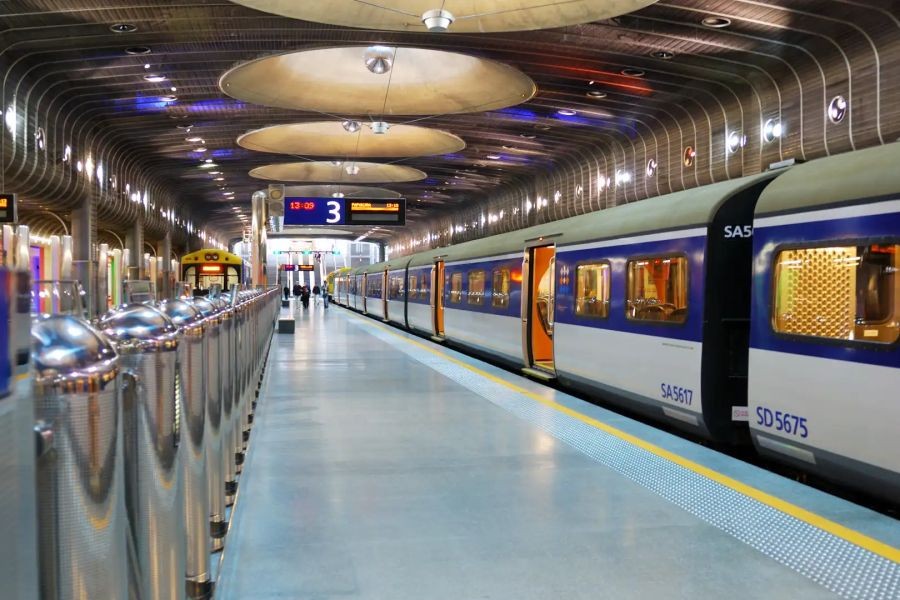
In the bustling world of urban development, few topics ignite as much debate as public transport. Across New Zealand, the quest for an efficient, sustainable transport system is a significant concern, mirrored by ambitious projects in Europe. How does New Zealand's approach to public transport measure up to Europe's well-documented successes? More importantly, what lessons can be drawn to enhance New Zealand's transit systems, impacting industries and daily life alike?
Understanding the Landscape: Public Transport in New Zealand
New Zealand, characterized by its stunning landscapes and sprawling urban centers, presents unique challenges for public transport. Auckland and Wellington, the primary urban hubs, have invested heavily in transport systems to cope with rising populations. However, these efforts often contrast sharply with European counterparts, known for their integrated networks and high user satisfaction.
Current Trends and Statistics
According to Stats NZ, public transport usage in New Zealand has seen a steady increase, with a 5% rise in patronage in Auckland over the last year. Yet, this pales in comparison to European cities like Copenhagen and Berlin, where public transport usage often exceeds 60% of the population. The disparity highlights a need for innovative solutions in New Zealand's transport planning.
Economic Implications
The Ministry of Business, Innovation, and Employment (MBIE) suggests that improving public transport could significantly boost New Zealand’s economy by reducing congestion costs, enhancing productivity, and attracting foreign investment. A robust transit system is not just a matter of convenience but a catalyst for economic growth.
Case Study: Copenhagen's Integrated Transport System
Problem
Copenhagen, renowned for its cycling culture, faced challenges in integrating various modes of transport to reduce car dependency and improve urban mobility.
Action
The city implemented a comprehensive strategy, enhancing its Metro, S-trains, and bus systems to work seamlessly with cycling infrastructure. This approach included strategic urban planning, investment in technology, and public-private partnerships.
Result
- Public transport usage increased by 15% over five years.
- Car traffic reduced by 10%, easing congestion.
- Overall carbon emissions dropped by 20%.
Takeaway
Copenhagen's success underscores the importance of an integrated transport approach, a valuable lesson for New Zealand cities seeking to reduce car dependency and enhance urban mobility.
Pros and Cons of New Zealand’s Current Public Transport System
Pros
- Government Investment: Significant funding directed towards infrastructure improvements, like Auckland's City Rail Link.
- Environmental Initiatives: Commitment to sustainability with electric buses and eco-friendly projects.
- Community Engagement: Initiatives to incorporate public feedback in transport planning.
Cons
- Limited Coverage: Regional areas often suffer from inadequate service frequency.
- Integration Issues: Lack of seamless connectivity between different transport modes.
- High Costs: Financial constraints limit the scope of ambitious projects.
Industry Insights: A Healthcare Consultant’s Perspective
For healthcare consultants, efficient public transport is crucial for ensuring patient access to medical facilities. Delays and inefficiencies can directly affect patient outcomes, making it imperative to prioritize transport improvements in healthcare planning. An integrated transport system could enhance accessibility to healthcare services, reducing missed appointments and improving patient care quality.
Debunking Myths: Public Transport in New Zealand
Myth 1: Public Transport Is Too Expensive for New Zealand
Reality: While initial investments are high, long-term savings from reduced congestion and increased productivity often outweigh costs.
Myth 2: Kiwis Prefer Cars Over Public Transport
Reality: Recent surveys show a growing preference for sustainable transport options, especially among younger populations.
Myth 3: Public Transport Cannot Be Profitable
Reality: With strategic planning and investment, cities like Zurich have turned public transport into a revenue-generating asset.
Future Trends: The Road Ahead for New Zealand
As New Zealand continues to invest in public transport, several trends and predictions stand out. According to a report by Deloitte, by 2030, New Zealand could see a 30% increase in electric public transport vehicles, reducing carbon emissions significantly. Moreover, the integration of smart technologies could lead to more personalized and efficient services, revolutionizing the commuter experience.
Conclusion: Navigating the Future
Public transport is more than a means to an end; it is a cornerstone of urban development and economic growth. New Zealand's journey towards an efficient, integrated transport system is crucial for its future. By learning from European successes and addressing local challenges, New Zealand can pave the way for a transport system that meets the needs of its people and industries alike.
What are your thoughts on New Zealand’s public transport future? Share your insights below!
People Also Ask
- How does public transport in New Zealand compare to Europe? New Zealand’s system offers less coverage and integration compared to Europe, where public transport is often the backbone of urban planning.
- What are the benefits of investing in public transport? Improved public transport can enhance economic growth, reduce traffic congestion, and lower carbon emissions.
- What challenges does New Zealand face in improving public transport? Financial constraints and integration issues are significant challenges in enhancing New Zealand’s public transport.
Related Search Queries
- New Zealand public transport strategy
- Public transport innovations in Europe
- Economic benefits of public transport
- Challenges of public transport in New Zealand
- Future of public transport in New Zealand
- Environmental impact of public transport
- Integration of public transport systems
- Healthcare access and public transport
- Sustainable transport in New Zealand
- Public transport policy changes in NZ



































Prop & Pose Photo Boo
3 months ago