




Australia is a diverse nation not only in its landscapes and urban settings but also in its cultural fabric, which significantly influences parenting styles across different states. This diversity is mirrored in the economic, educational, and policy frameworks that shape family life and parenting strategies. Understanding these differences provides valuable insights not only for families but also for businesses and policymakers aiming to cater to the Australian market. Let's explore how parenting styles vary across states, driven by distinct socio-economic factors and cultural influences.
Understanding the Impact on Child Development and Family Dynamics
Parenting is a universal responsibility, yet the ways in which Australians raise their children differ significantly across states and territories. These differences are shaped by cultural norms, economic realities, local policies, and community structures. Understanding these variations is crucial for policymakers, educators, health professionals, and families themselves, as parenting style profoundly influences both child development and family dynamics.
Australia’s vast geography, socio-economic diversity, and multicultural population mean that parenting is far from uniform. What works in metropolitan Sydney may differ from best practices in regional Queensland or remote Western Australia. These distinctions reveal much about how Australians balance work, education, social life, and cultural expectations within the family unit.
The Spectrum of Parenting Styles in Australia
Research in developmental psychology often categorises parenting into four main styles: authoritative, authoritarian, permissive, and uninvolved. While these categories provide a framework, the application of each style varies significantly by region:
Authoritative Parenting: Characterised by warmth, responsiveness, and firm but flexible boundaries, this style is common in urban areas like Victoria and New South Wales, where parents often balance demanding professional lives with active engagement in children’s education and extracurricular activities. Authoritative parents emphasise communication, independence, and emotional intelligence, which correlates with higher academic performance and social competence in children.
Authoritarian Parenting: Marked by high control and low responsiveness, this approach tends to appear more frequently in regions where traditional or culturally conservative values are stronger. Some rural and remote areas of South Australia and Queensland show higher prevalence, influenced by factors such as limited access to educational resources or generational attitudes toward discipline. While authoritarian parenting can foster obedience and structure, studies indicate it may be associated with higher stress levels in children and reduced emotional resilience.
Permissive Parenting: Characterised by warmth but limited boundaries, permissive parenting is often observed in progressive urban communities, particularly in parts of New South Wales and Victoria. These parents prioritise autonomy and creativity, which can nurture self-expression but sometimes leads to challenges in setting limits, consistency, and behavioural regulation.
Uninvolved Parenting: Less common overall, this style is characterised by low responsiveness and low control. It tends to correlate with areas experiencing socio-economic disadvantage, including parts of the Northern Territory and Western Australia, where access to support services, childcare, and community engagement may be limited. Uninvolved parenting is associated with poorer outcomes in emotional, social, and academic development.
Cultural and Socio-Economic Influences
Australia’s multicultural landscape significantly shapes parenting practices. Migrant communities bring diverse approaches informed by heritage, religious beliefs, and prior societal norms. In Queensland and New South Wales, where immigrant populations are concentrated, hybrid parenting styles are common — blending traditional practices with contemporary Australian norms.
Economic factors also play a role. Families in wealthier urban centres have greater access to childcare, enrichment programs, and educational support, which enables more authoritative and engagement-focused parenting. Conversely, in regions with economic hardship, parents may face stressors such as work instability, housing pressures, and limited social support, which can influence parenting decisions and exacerbate reliance on authoritarian or permissive approaches.
Geography impacts parenting as well. Rural and remote areas require adaptations to parenting styles due to isolation, fewer services, and reliance on extended family networks. In these communities, independence, resourcefulness, and early responsibility are often emphasised in children, shaping unique family dynamics compared to metropolitan households.
Impact on Family Dynamics
Parenting style directly affects household relationships and communication patterns. Authoritative households typically experience collaborative decision-making, open dialogue, and higher emotional support between parents and children. In contrast, authoritarian households may exhibit hierarchical structures, with children less likely to voice opinions but often adhering to clearly defined rules.
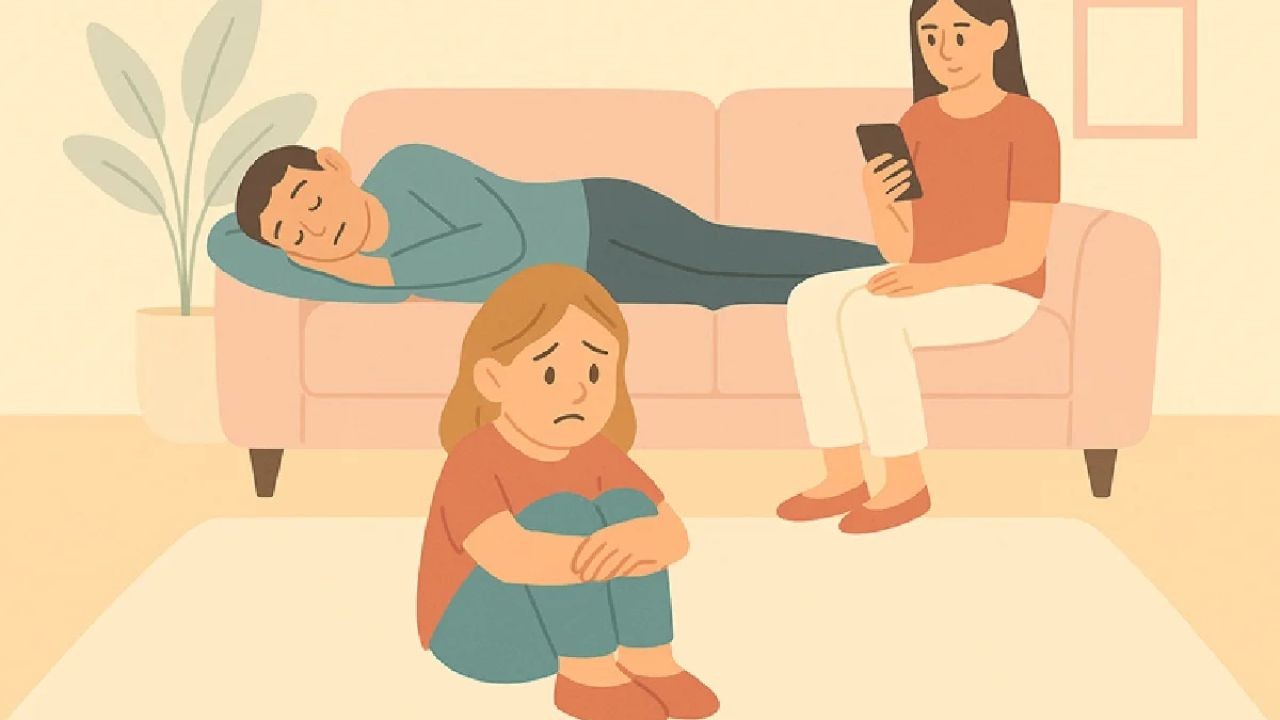
Permissive parenting can foster strong emotional bonds but may lead to inconsistency and negotiation fatigue, as parents struggle to enforce boundaries. Uninvolved parenting often correlates with disengagement, affecting trust, emotional security, and sibling interactions.
These dynamics extend to broader family functioning. States with stronger support systems, community engagement, and educational resources (e.g., Victoria and New South Wales) tend to reinforce positive cycles of authoritative parenting, while regions facing socio-economic and geographic challenges may see greater variability in family cohesion and stress levels.
Influence on Child Development
Parenting styles have profound effects on children’s social, emotional, and cognitive growth. Authoritative parenting is consistently linked to higher academic achievement, emotional regulation, and resilience. Children raised in this style often demonstrate confidence, problem-solving skills, and adaptability.
Authoritarian parenting can produce disciplined and rule-abiding children but may also increase anxiety, lower self-esteem, and reduce social flexibility. Permissive parenting often encourages creativity and independence, yet without sufficient guidance, children may struggle with self-regulation and delayed responsibility. Uninvolved parenting carries the highest risk of negative developmental outcomes, including behavioral issues, academic underperformance, and difficulties in forming secure relationships.
These outcomes are not merely theoretical. In Australia, state-level data on mental health, school engagement, and youth behaviour often mirror regional variations in parenting approaches, highlighting the practical significance of these differences.
Policy and Community Considerations
Government and community support can shape parenting practices across states. Policies related to parental leave, early childhood education, and access to mental health services influence the capacity of parents to engage effectively. For example, the Paid Parental Leave scheme in New South Wales and Victoria provides structured support that encourages engagement and authoritative practices, whereas gaps in services in remote regions of Western Australia or the Northern Territory can limit parental options.
Community programs, such as parenting workshops, support groups, and culturally specific education initiatives, are also critical. In multicultural urban centres, programs that respect heritage while introducing evidence-based parenting strategies help bridge gaps and enhance child outcomes. In rural areas, outreach services and online resources mitigate geographic isolation, supporting parents who might otherwise rely solely on traditional practices.
The Future of Parenting in Australia
Parenting in Australia is evolving rapidly. Increased awareness of mental health, child development research, and societal shifts toward gender equality and work-life balance are influencing styles across the country. Urban areas are likely to see a continued rise in authoritative and flexible approaches, supported by education and policy initiatives.
In rural and economically disadvantaged regions, the challenge will be ensuring equitable access to resources that enable positive parenting. Digital platforms, telehealth services, and community engagement programs offer promising solutions to bridge these gaps, creating more consistent developmental outcomes across states.
The interplay between culture, economy, geography, and policy means that parenting in Australia will remain diverse. Recognising regional differences allows policymakers, educators, and service providers to tailor interventions and resources that meet families where they are, rather than applying a uniform model.
The Economic Influence on Parenting Styles
Australia’s economy is robust and multifaceted, with each state contributing uniquely. The Australian Bureau of Statistics (ABS) highlights that the economic landscape significantly impacts family structures and parenting styles. For instance, states like New South Wales (NSW) and Victoria, with high urbanization rates, tend to have dual-income households more prominently, influencing a trend towards shared parenting responsibilities.
Conversely, states like Tasmania and South Australia, which have larger rural areas, often see more traditional parenting roles, with a higher prevalence of single-income families. This economic disparity is reflected in how parents prioritize educational and extracurricular activities for their children, often influenced by available resources and financial stability.
Regional Cultural Differences
Cultural diversity in Australia is profound, with significant variations between states. For example, Victoria and New South Wales, as cultural melting pots, embrace a more inclusive and flexible approach to parenting, integrating multicultural elements into family life. This contrasts with Queensland and Western Australia, where community-driven and outdoor-oriented lifestyles are more prevalent, encouraging independence and resilience in children from a young age.
The influence of Indigenous cultures also plays a crucial role, particularly in Northern Territory and Western Australia, where traditional practices are integrated into modern parenting styles. These cultural nuances offer rich, diverse parenting experiences that shape the next generation uniquely across the nation.
Educational Policies and Their Impact
Educational policies vary across states, impacting parental involvement and expectations. For instance, New South Wales has a strong focus on academic excellence and structured learning, leading to an emphasis on formal education and extracurricular activities. In contrast, states like Tasmania prioritize holistic education approaches, encouraging creativity and personal development.
The Australian Government’s educational funding and policy frameworks, as outlined by the Australian Treasury, also affect parental choices. The introduction of the Gonski reforms aimed at equitable funding has led to varying levels of educational quality and access across states, influencing parental involvement and expectations.
Case Study: New South Wales vs. Queensland
Problem: Families in New South Wales face high competition in academic and extracurricular activities, often leading to stress and burnout among children. Conversely, Queensland families struggle with balancing academic pursuits with lifestyle priorities like sports and outdoor activities.
Action: New South Wales parents invested in private tutoring and extracurricular programs to give their children a competitive edge. In Queensland, parents encouraged participation in community sports and outdoor activities to promote a balanced lifestyle.
Result: New South Wales saw an increase in academic achievement but faced higher rates of student stress. Queensland observed improved physical health and social skills among children, though academic performance was less emphasized.
Takeaway: This case study highlights the importance of balancing academic pursuits with lifestyle factors in parenting. States can learn from each other’s challenges and successes to foster well-rounded development in children.
Parental Involvement and Community Support
Community support systems are vital in shaping parenting styles. In Victoria, for example, there is a strong emphasis on community involvement, with parents actively participating in school activities and local events. This collaborative approach fosters a sense of belonging and support among families, enhancing children's social development.
In contrast, Western Australia, with its vast distances and remote areas, sees a more self-reliant approach to parenting. Families here often rely on digital tools and online communities to connect and support each other, highlighting the adaptability and resilience of parents in different regions.
Data Insights from the Australian Bureau of Statistics
- Dual-Income Families: In urban areas like Sydney and Melbourne, over 60% of households are dual-income, influencing shared parenting roles and reliance on childcare services.
- Rural vs. Urban Parenting: In rural regions, traditional gender roles are more prevalent, with a higher percentage of stay-at-home parents, according to ABS data.
- Educational Spending: New South Wales parents spend 20% more on education compared to the national average, reflecting a focus on academic excellence.
Common Myths & Misconceptions
- Myth: "All Australian parents have a laid-back approach." Reality: While some regions prioritize a relaxed lifestyle, urban areas often emphasize structure and competition, especially in education.
- Myth: "Parenting styles are uniform across Australia." Reality: Significant variations exist due to cultural, economic, and geographic differences.
- Myth: "Traditional parenting roles are obsolete." Reality: In many rural areas, traditional roles persist due to economic and cultural factors.
Biggest Mistakes to Avoid
- Overemphasizing Academic Achievement: Focusing solely on academic success can lead to stress and burnout. Balance is key.
- Neglecting Community Involvement: Engaging with local communities enhances support networks and social skills for children.
- Ignoring Cultural Diversity: Embracing multicultural elements enriches family life and broadens children's perspectives.
Future Trends & Predictions
The future of parenting in Australia is likely to be shaped by technological advancements and evolving social norms. As digital tools become more integrated into daily life, remote parenting support and online educational resources will become increasingly important. Additionally, there will be a greater emphasis on mental health and well-being, driven by the growing awareness of the importance of emotional resilience in children.
According to a report by Deloitte, by 2030, over 50% of Australian families will utilize AI-driven educational platforms to supplement traditional learning, emphasizing personalized and adaptive education strategies.
Conclusion
Parenting in Australia is far from homogenous. Styles vary by state, influenced by urbanisation, socio-economic status, culture, and access to support. These variations shape family dynamics, influence child development, and create long-term societal implications.
For parents, understanding the strengths and limitations of their approach — and how it compares regionally — can inform strategies to improve engagement, communication, and child wellbeing. For policymakers and businesses, recognising these patterns enables targeted services, community programs, and products that respond to the diverse needs of Australian families.
Ultimately, the future of parenting in Australia depends on embracing regional diversity while providing consistent support structures that empower all parents to foster healthy, resilient, and thriving children.
Understanding the diverse parenting styles across Australian states offers valuable insights not only for families but also for businesses, educators, and policymakers. By acknowledging and embracing these differences, stakeholders can better cater to the unique needs of families, fostering a supportive and inclusive environment for children’s development.
Want to stay informed about the latest trends in parenting and family dynamics? Join our exclusive newsletter to receive expert insights and practical strategies tailored to Australian families.
FAQ
How do parenting styles in Australia impact children's education? Parenting styles significantly influence educational outcomes. In states like New South Wales, a focus on academic achievement leads to higher educational spending and performance, while areas prioritizing holistic development, like Tasmania, encourage creativity and personal growth.
What are the biggest misconceptions about Australian parenting styles? A common myth is that all Australian parents have a laid-back approach. However, urban areas often emphasize structure and competition, particularly in education, as per recent studies.
What upcoming changes in Australia could affect parenting styles? By 2030, technological advancements and AI-driven educational platforms will shape parenting strategies, with an increased focus on personalized education and emotional resilience, according to Deloitte.
Related Search Queries
- Australian parenting styles by state
- Impact of economy on parenting in Australia
- Cultural differences in Australian families
- Educational policies and parenting in Australia
- Community support for parents in Australia
- Future trends in Australian parenting
- Myths about Australian parenting styles
- Parenting challenges in rural Australia
- Technology and parenting in Australia
- Balancing work and parenting in urban Australia
For the full context and strategies on How Australian Parenting Styles Differ by State – How It’s Changing the Game for Aussies, see our main guide: Sports Coaching Training Videos Australia.