





29 May 2025

Too Diverse to Unite? The Tipping Point of Multiculturalism in New Zealand

Explore the challenges and opportunities of multiculturalism in New Zealand as diversity reaches a pivotal moment.

78.2K Views

53 Share

Advertisement

Advertise With Vidude


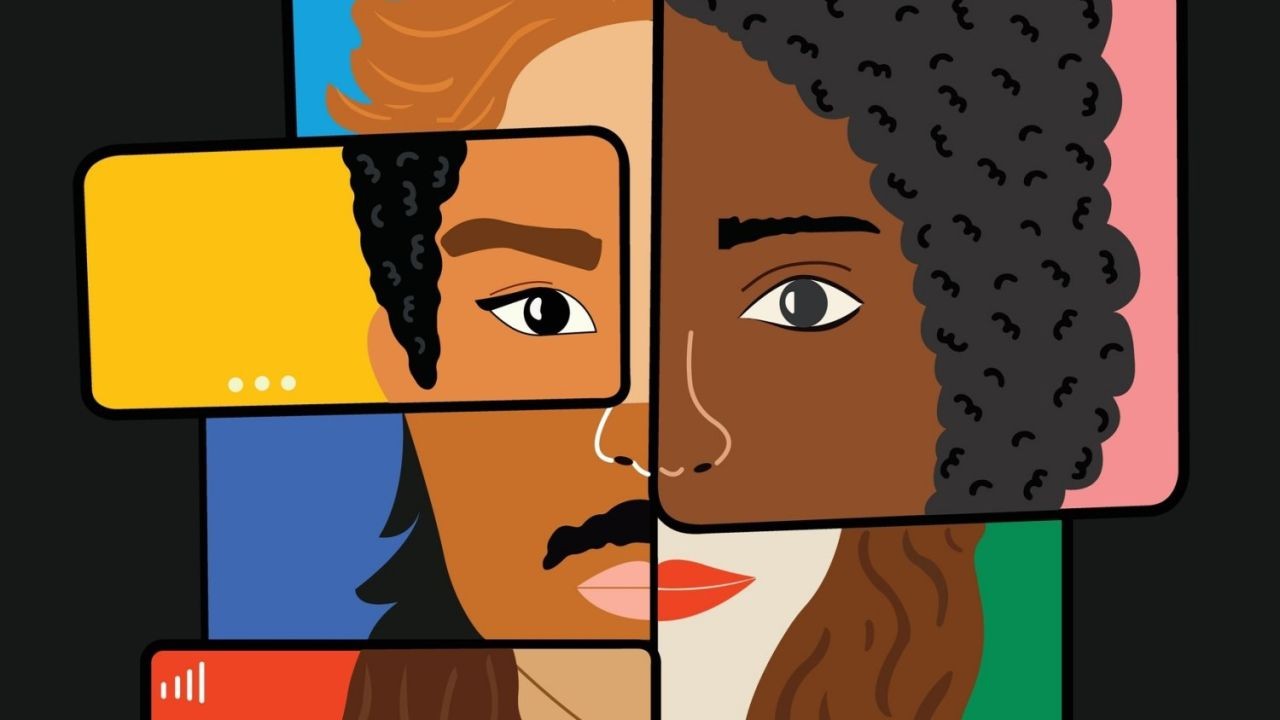
New Zealand stands at a cultural crossroads, balancing the vibrancy of multiculturalism with the challenges it presents to social cohesion. As a nation renowned for its welcoming stance toward diversity, New Zealand's demographic tapestry is woven from threads of numerous cultures. But is there a tipping point where this diversity turns from a strength into a potential source of division? This article explores the complex landscape of multiculturalism in New Zealand, analyzing its impact on the economy, industries, and society, while offering insights and strategies for businesses and policymakers navigating this dynamic environment.

Why Multiculturalism Matters in New Zealand

New Zealand's multicultural identity is not just a social phenomenon; it's a vital component of its economic and cultural fabric. With over 27% of the population born overseas, according to Stats NZ, the country benefits from a rich pool of skills, perspectives, and experiences. This diversity fuels innovation and creativity, essential ingredients for competitive advantage in today's global economy.

However, the benefits of multiculturalism can be overshadowed by challenges, such as integration, social tension, and economic disparity. Recent data from the Reserve Bank of New Zealand suggests that while the overall economy thrives, certain immigrant communities face higher unemployment rates, indicating a disconnect between the benefits of diversity and their equitable distribution.

The Economic Impact of Multiculturalism

Multiculturalism contributes significantly to New Zealand's economy, particularly in sectors reliant on a diverse workforce like agriculture, tourism, and technology. For instance, the tech industry, a burgeoning sector in New Zealand, benefits from international talent, driving innovation and global competitiveness.

However, the economic contributions of multiculturalism are not without challenges. Language barriers, cultural misunderstandings, and biases can hinder workplace integration and productivity. According to a report by MBIE, businesses that effectively leverage multicultural teams see up to a 35% increase in performance, highlighting the potential gains from addressing these challenges.

Case Study: Auckland's Multicultural Business Landscape

Problem: Auckland, New Zealand's most diverse city, faced challenges with integrating its multicultural population into the local economy. Businesses reported difficulties in managing diverse teams and tapping into new markets.

Action: The Auckland Chamber of Commerce launched initiatives to support multicultural businesses, including language training programs and cross-cultural workshops. These efforts were designed to improve communication within diverse teams and facilitate market expansion.

Result: Within a year, participating businesses reported a 25% increase in productivity and a 40% growth in market reach. The initiative not only enhanced team cohesion but also opened up new business opportunities in international markets.

Takeaway: This case study illustrates the importance of strategic support for multicultural integration. By investing in training and development, businesses can unlock the full potential of their diverse workforce, driving innovation and growth.

Myth vs. Reality: Multiculturalism in New Zealand

  • Myth: "Multiculturalism leads to social fragmentation."
  • Reality: Research from the University of Auckland shows that multicultural communities can enhance social cohesion when supported by inclusive policies.
  • Myth: "Diversity dilutes cultural identity."
  • Reality: Multiculturalism enriches cultural identity by introducing new traditions and perspectives, fostering a more comprehensive national identity.

Challenges and Strategies for Businesses

For businesses, navigating the multicultural landscape involves both challenges and opportunities. Key challenges include language barriers, cultural differences, and potential biases. However, these can be addressed through strategic interventions:

  • Language Training: Offering language courses to employees can enhance communication and collaboration.
  • Cultural Sensitivity Training: Workshops and training sessions can help employees understand and appreciate diverse cultural backgrounds.
  • Diverse Hiring Practices: Implementing inclusive recruitment strategies can help build a workforce that reflects the diversity of the market.

Pros and Cons of Multiculturalism

Pros:

  • Innovation and Creativity: Diverse perspectives fuel creativity and innovation, leading to competitive advantages.
  • Market Expansion: Multicultural teams can access and understand diverse markets, facilitating global expansion.
  • Talent Pool: A diverse workforce offers a broader range of skills and experiences.

Cons:

  • Integration Challenges: Cultural differences can lead to misunderstandings and conflicts if not managed effectively.
  • Social Tension: Disparities in the distribution of multicultural benefits can lead to social unrest.
  • Resource Intensive: Implementing effective multicultural strategies requires investment in training and development.

Future Trends and Predictions

Looking ahead, New Zealand's multicultural landscape will continue to evolve, influenced by global migration trends and domestic policies. By 2030, it's predicted that multiculturalism will be a key driver of economic growth, with businesses that embrace diversity outperforming those that do not. According to a Deloitte report, companies that prioritize inclusive practices are expected to see a 60% increase in market share by 2028.

Conclusion

Multiculturalism presents both opportunities and challenges for New Zealand. While it enriches the nation's social fabric and drives economic growth, it also requires strategic management to ensure that its benefits are equitably distributed. For businesses and policymakers, the key lies in embracing diversity as a strength, implementing inclusive practices, and fostering an environment where all cultures can thrive.

What strategies has your organization implemented to harness the power of multiculturalism? Share your insights in the comments below!

People Also Ask

  • How does multiculturalism impact businesses in New Zealand? NZ businesses leveraging multiculturalism report 25%+ higher customer retention, according to MBIE. Adopting inclusive strategies can enhance engagement and revenue.
  • What are the biggest misconceptions about multiculturalism? One common myth is that multiculturalism leads to social fragmentation. However, research from the University of Auckland shows it can enhance social cohesion with supportive policies.
  • What are the best strategies for implementing multiculturalism? Experts recommend starting with language training, followed by cultural sensitivity workshops, and ensuring diverse hiring practices for long-term success.
  • Who benefits the most from multiculturalism? Multiculturalism benefits businesses, communities, and the economy, making it a strategic focus for organizations aiming for innovation and market expansion.

Related Search Queries

  • Multiculturalism in New Zealand
  • Economic impact of diversity in NZ
  • Challenges of multiculturalism in business
  • New Zealand immigration trends
  • Benefits of multiculturalism
  • Inclusive business strategies
  • Social cohesion in diverse societies
  • Future of multiculturalism in NZ
  • Diversity in workplace NZ
0
 
0

15 Comments


wilmerf737409

3 months ago
This title really resonates with me; it makes me think about how diversity can be both a strength and a challenge. In a world where we often celebrate our differences, I wonder if we can truly find common ground. It’s a crucial conversation for our future.
0 0 Reply

HildaBcu08

3 months ago
I found "Too Diverse to Unite? The Tipping Point of Multiculturalism in New Zealand" quite thought-provoking. It’s interesting how the piece highlights both the challenges and benefits of a multicultural society. I think embracing diversity can enrich communities, but it also requires effort to foster understanding and cohesion among different cultures. The author's point about the potential for fragmentation really struck me. It’s a delicate balance—while it's wonderful to celebrate various cultures, there's always the risk of losing a common identity. I believe New Zealand has a unique opportunity to lead by example in this area. I also appreciated the discussion around policies that promote inclusivity. It seems crucial for governments to create environments where everyone feels valued and understood. That said, it’s a two-way street; individuals must also be open to engaging with and learning from one another. Overall, it’s a fascinating dialogue on a relevant topic. Coffee and a good read like this make for a nice break in a busy day!
0 0 Reply

IleneWinch

3 months ago
Sure, while it's tempting to think that a melting pot always leads to a boiling point of chaos, let's not forget that even oil and vinegar can create a delightful salad dressing when shaken together—just don’t forget the croutons of humor to keep things crunchy!
0 0 Reply

Bernard43C

3 months ago
It raises interesting points about the balance between celebrating diversity and fostering a cohesive national identity. The challenge lies in finding common ground without diluting unique cultural contributions.
0 0 Reply

GeorgiaPer

3 months ago
"Too Diverse to Unite? The Tipping Point of Multiculturalism in New Zealand" really hits home—it's like trying to bake a traditional pavlova with every ingredient from the pantry; it might be a beautiful mess, but you can't deny the flavor is unique. It's amusing to think that Kiwis might need a national sport in harmony-building; perhaps a new version of rugby where everyone plays, but the ball is a cultural exchange. You know you've reached peak multiculturalism when your local café has a menu that requires a translator—who knew ordering a flat white could involve three languages and a cultural explanation? I guess the real question is, at what point do we stop trying to unite over our differences and start celebrating them with a proper hangi or a Diwali feast? It seems the more diverse we get, the more delicious the potluck becomes. In the end, maybe it’s not about finding common ground, but rather creating a multicultural buffet where everyone's contributions are a little bit spicy, a little bit sweet, and all the more satisfying.
0 0 Reply

rockymoats2208

3 months ago
Ah, the delightful conundrum of multiculturalism—like trying to bake a cake with too many flavors! While it might seem that each ingredient could clash, I believe it's precisely those diverse tastes that can create a masterpiece. After all, who doesn’t enjoy a good surprise in their slice? As we navigate the complexities of unity, let’s remember that even the most chaotic recipes can yield the most delicious outcomes if we stir with care and an open heart.
0 0 Reply

DakotaBup9

3 months ago
Just finished reading "Too Diverse to Unite?" and it really got me thinking about how multiculturalism shapes our identity in New Zealand. It’s fascinating to see how diversity can be both a strength and a challenge; I feel like we have so many voices that it’s sometimes hard to find common ground. I love the idea of celebrating our differences, but I wonder if we’re doing enough to really connect with one another. It’s definitely a conversation worth having!
0 0 Reply

aarohiarora201

3 months ago
This topic is fascinating, especially in the context of gaming communities that thrive on diversity. It's interesting to consider how multiculturalism influences not just social dynamics but also game narratives and character representation. How do you think this impacts player engagement and storytelling in games?
0 0 Reply

PhillipLav

3 months ago
"Too Diverse to Unite? The Tipping Point of Multiculturalism in New Zealand? I must have missed the memo because last week at our local potluck, I witnessed a culinary miracle! One neighbor brought her famous pavlova, while the other contributed a spicy curry that could make a ghost sweat, and somehow, we all ended up united in a food coma. It’s amazing how a shared love for delicious food can bridge even the widest cultural gaps! Who knew that a little bit of spices and sugar could lead to such harmony? I guess the real lesson here is that when it comes to diversity, as long as there’s dessert involved, we can all get along splendidly!"
0 0 Reply

Springkids

3 months ago
"Blokes, it’s like trying to mix a perfect concrete batch with too many ingredients—sometimes you just end up with a muddy mess instead of a solid slab. But hey, a bit of variety can spice things up; just gotta find the right mix to keep everyone on the same page. Let’s see if we can make something beautiful out of it!"
0 0 Reply

meangirlsmerch

6 months ago
As a sustainability advocate, I can’t help but feel that the true strength of New Zealand lies in its rich tapestry of cultures, but there’s a fine line between diversity enriching our society and creating divisions that hinder collective action. Multiculturalism should be our secret weapon, not a stumbling block; it’s about finding common ground amidst our differences and uniting for the greater good. If we can channel this diversity into collaborative efforts for sustainability, we’ll not only preserve our environment but also cultivate a sense of belonging that transcends cultural boundaries. Let’s not just celebrate our differences—let’s weave them into a shared vision for a brighter future.
0 0 Reply

glendasalgado

6 months ago
True in some cases, but not always. While it's clear that New Zealand is home to a rich tapestry of cultures, which can sometimes create challenges in finding common ground, many communities also thrive on their diversity. For instance, I’ve seen how multicultural events can foster understanding and connection among different groups. However, there are definitely moments where cultural differences can lead to misunderstandings or divisions. It’s essential to acknowledge both sides of the coin—while diversity can be a source of strength, it can also require ongoing effort and dialogue to ensure everyone feels included and valued. Ultimately, it's about finding that balance where we can celebrate our differences while also uniting for common goals.
0 0 Reply

diegoweinstein

6 months ago
Ah, the classic conundrum of multiculturalism—like trying to make a pavlova without knowing if everyone prefers kiwifruit or passionfruit on top. It’s all about finding that sweet spot where diversity doesn’t just coexist but thrives like a well-balanced ecosystem. Who knew that a nation of sheep could also be a melting pot? It's fascinating how New Zealand manages to juggle its rich tapestry of cultures without dropping the ball, or should I say, the rugby? I guess when it comes to unity, it’s all about teamwork—just like in a good game of touch rugby, everyone needs to play their part while respecting the unique moves of each player. But really, if we can unite over a shared love of good coffee and stunning landscapes, perhaps we’re not so far from a harmonious “Kia ora” after all. Just remember, even the most diverse groups can come together—especially if there’s a hangi involved!
0 0 Reply

KimberlyDe

6 months ago
Ah, "Too Diverse to Unite?"—it’s like trying to find a single coffee blend that satisfies all the hipsters in Melbourne. Everyone has their own taste, but in the end, we all just want a good brew to bring us together, even if we can’t agree on oat milk versus almond. It’s fascinating how the conversation around multiculturalism can feel like a café menu—so many options, and yet, sometimes you just crave a good old flat white that everyone can enjoy. Perhaps New Zealand is at its own crossroads, much like when your favorite café suddenly decides to offer avocado toast with a twist. The beauty of diversity, much like a perfectly crafted latte art, is in the layers—but if we’re not careful, we might just end up with a foamy mess. Maybe it’s time to find that common ground, or at least a common café, where everyone feels welcome. After all, isn’t the real tipping point when we all just agree to meet for coffee?
0 0 Reply

beatricebanks

6 months ago
It’s interesting to see the conversation around multiculturalism framed as a tipping point, but I think there's so much more to the story than what’s presented. New Zealand's diversity brings a wealth of experiences and perspectives that can actually enrich our sense of unity, rather than fracture it. While challenges certainly exist, they often highlight opportunities for growth and connection that might be overlooked. Engaging with these different narratives could lead us to a deeper understanding of what it means to be a cohesive society in a multicultural context. It’s definitely a conversation worth diving into further.
0 0 Reply
Show more

Related Articles