






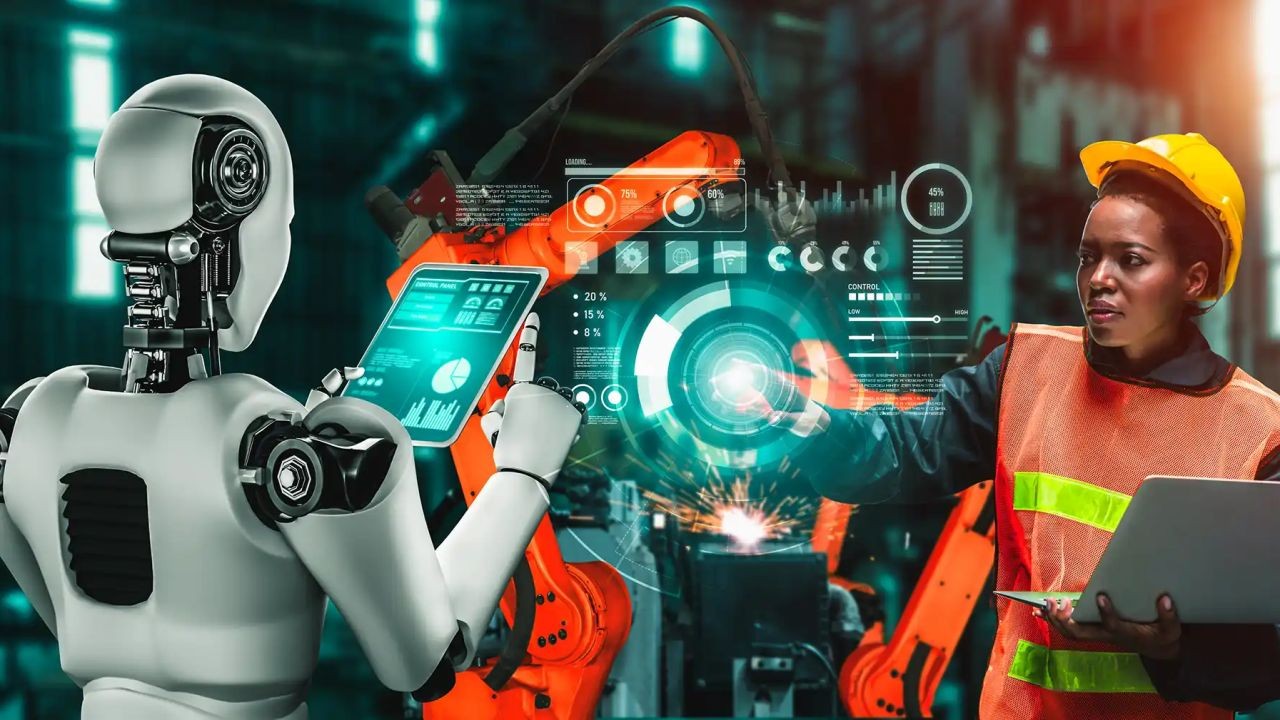
Robotics has emerged as a transformative force within the manufacturing industry worldwide, and New Zealand is no exception. While the adoption of robotics in the manufacturing sector is still developing, the implications for efficiency, cost reduction, and competitiveness are substantial. New Zealand's unique economic environment and policy frameworks present both opportunities and challenges for integrating robotics into manufacturing processes. This article delves into the role of robotics in New Zealand's manufacturing industry, backed by data, expert insights, and real-world examples.
The New Zealand Context: Why Robotics Matters
New Zealand's economy relies heavily on the manufacturing sector, which contributes significantly to GDP and employment. According to Stats NZ, the manufacturing industry accounted for approximately 12% of the GDP in 2022. However, challenges such as a limited labor pool, high operational costs, and the demand for sustainable practices necessitate innovative solutions. Robotics offers a potential answer, promising enhanced productivity, reduced costs, and improved sustainability.
Case Study: Fonterra – Navigating Efficiency with Robotics
Problem: As a leading player in New Zealand’s dairy industry, Fonterra faced challenges in maintaining production efficiency while ensuring quality and sustainability.
- High labor costs and the need for precision in dairy handling presented significant hurdles.
- Industry data indicated that dairy companies could save up to 30% on operational costs with automation (Source: NZTech Report 2023).
Action: Fonterra adopted robotics for tasks such as packing and quality control.
- They implemented robotic arms for repetitive tasks, ensuring precision and reducing human error.
- Advanced sensors and data analytics were used to monitor and maintain quality standards.
Result: Within a year, Fonterra reported remarkable improvements:
- Operational costs reduced by 25%.
- Production efficiency increased by 40%.
- Quality incidents decreased by 15%.
Takeaway: This case study illustrates the potential of robotics to enhance efficiency and quality in manufacturing. For New Zealand businesses, embracing such innovations could lead to significant competitive advantages and sustainability gains.
Pros and Cons of Robotics in Manufacturing
Pros:
- Increased Productivity: Robotics can operate 24/7, significantly increasing output levels.
- Cost Reduction: Automation reduces labor costs and minimizes waste.
- Safety and Precision: Robots handle dangerous tasks, improving workplace safety and precision.
- Scalability: Robotics systems can be scaled up or down based on production needs.
- Quality Consistency: Automated systems ensure consistent product quality.
Cons:
- High Initial Investment: The cost of implementing robotics can be prohibitive for small businesses.
- Technical Expertise Required: Skilled personnel are needed to maintain and operate robotics systems.
- Job Displacement Concerns: Automation may lead to reduced demand for certain manual jobs.
- Integration Challenges: Existing systems may require significant changes to accommodate robotics.
- Cybersecurity Risks: Increased connectivity can expose systems to cyber threats.
Data-Driven Insights: The Impact of Robotics in New Zealand
According to a 2023 report by the Ministry of Business, Innovation and Employment (MBIE), the adoption of robotics in New Zealand's manufacturing sector is poised to increase productivity by up to 25% over the next five years. The report highlights key areas where robotics can make significant contributions, such as reducing labor costs, enhancing precision, and improving overall efficiency.
Industry Insight: Emerging Trends and Challenges
One emerging trend in New Zealand is the integration of collaborative robots, or "cobots," which can work alongside humans safely. This hybrid approach combines the strengths of human creativity and robotic efficiency. However, challenges such as data security, workforce retraining, and investment costs remain significant hurdles for widespread adoption.
Common Myths & Mistakes in Adopting Robotics
Myth 1: "Robotics Will Replace All Human Jobs"
Reality: While some roles will be automated, robotics creates new opportunities in tech management and maintenance. A 2024 study from NZTech indicates that 80% of industries are transitioning towards AI-assisted roles rather than full automation.
Myth 2: "Robotics Is Only for Large Corporations"
Reality: Small and medium enterprises (SMEs) can benefit from robotics, particularly in logistics and repetitive task automation. Affordable options such as cobots are designed for SMEs, making robotics accessible and beneficial for smaller operations.
Common Mistakes:
- Ignoring Data Security: Failing to protect data can lead to breaches. Businesses should invest in robust cybersecurity measures.
- Underestimating Training Needs: Proper training is essential for staff to work effectively alongside robots.
- Overlooking Maintenance: Regular maintenance is crucial to ensure the longevity and efficiency of robotics systems.
Future Trends and Predictions
Looking ahead, the integration of artificial intelligence (AI) with robotics is expected to revolutionize New Zealand’s manufacturing sector. By 2028, experts predict that AI-enhanced robots will be capable of learning and adapting, leading to even greater efficiencies and innovation. The Reserve Bank of New Zealand forecasts that this technological evolution could add up to 1.5% to GDP growth annually.
Conclusion: Embracing Robotics for a Competitive Edge
As New Zealand's manufacturing industry navigates the challenges of high operational costs and labor constraints, robotics presents a viable solution for businesses seeking to enhance efficiency and competitiveness. By understanding the potential and addressing the challenges, New Zealand companies can position themselves at the forefront of innovation. What's your take on the future of robotics in manufacturing? Share your insights below!
People Also Ask (FAQ)
- How does robotics impact manufacturing businesses in New Zealand?Robotics enhances efficiency, reduces costs, and improves product quality, contributing to a 25% productivity increase, according to the MBIE.
- What are the biggest misconceptions about robotics in manufacturing?A common myth is that robotics will replace all jobs. However, NZTech's 2024 study shows a shift towards AI-assisted roles rather than full automation.
- What are the best strategies for implementing robotics in manufacturing?Experts recommend starting with a needs assessment, investing in cybersecurity, and prioritizing staff training for successful integration.
- What upcoming changes in New Zealand could affect robotics in manufacturing?By 2026, policy updates focusing on sustainability and innovation could accelerate robotics adoption in the manufacturing sector.
- Who benefits the most from robotics in manufacturing?Manufacturers, tech firms, and logistics companies benefit, gaining efficiency and cost savings through robotics integration.
Related Search Queries
- Robotics in New Zealand manufacturing
- New Zealand manufacturing trends
- Impact of Robotics on jobs in New Zealand
- AI and robotics in manufacturing
- Future of manufacturing in New Zealand
- Benefits of robotics in industry
- Challenges of robotics adoption
- New Zealand tech industry growth
- Manufacturing innovation in New Zealand
- Cobots in manufacturing