





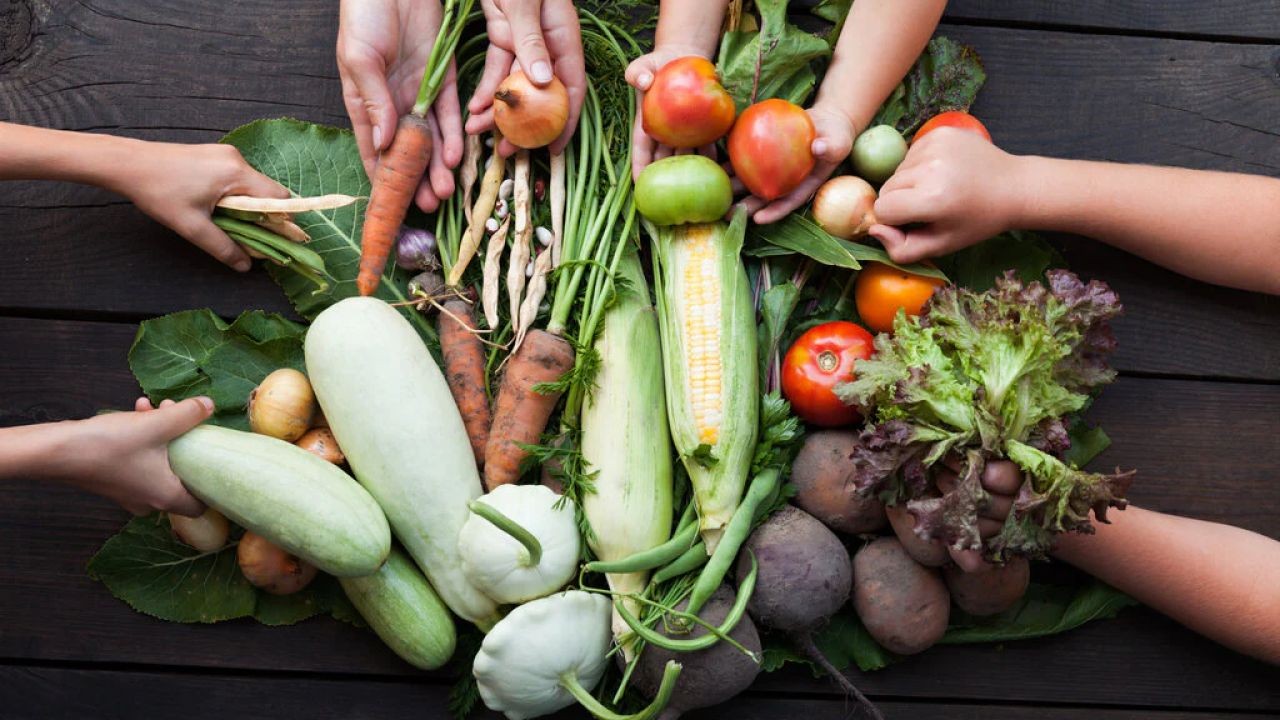
As the world grapples with climate change and resource depletion, New Zealand stands at the forefront of sustainability, particularly in the realm of food practices. The country, renowned for its lush landscapes and agricultural prowess, plays a pivotal role in shaping sustainable food systems. But why are these practices so essential for New Zealand's future? Let's delve into the importance of sustainable food practices within the Kiwi context, exploring their impact on the local economy, environment, and society.
Introduction to Sustainable Food Practices in New Zealand
New Zealand's agriculture and food production are not merely economic activities; they are deeply intertwined with the nation's identity and cultural heritage. However, the traditional methods of food production are being challenged by the urgent need to adopt more sustainable practices. According to a report by the Ministry of Business, Innovation and Employment (MBIE), the agri-food sector contributes over NZD 46 billion annually to the economy, accounting for more than 70% of total exports. Yet, this sector is also a significant source of greenhouse gas emissions and environmental degradation.
With global demand for sustainable and ethically produced food on the rise, New Zealand's commitment to sustainable food practices is not just about environmental stewardship—it's a strategic economic imperative. As the nation seeks to balance economic growth with environmental responsibility, sustainable food practices offer a pathway to achieving this equilibrium.
The Pros and Cons of Sustainable Food Practices
Pros
- Environmental Preservation: Sustainable practices help reduce carbon emissions, conserve water, and protect biodiversity. This is crucial for maintaining New Zealand's pristine natural environment, which is a cornerstone of its tourism industry.
- Economic Viability: Sustainable food production can lead to cost savings through improved efficiency and resource use. It also opens up new market opportunities as consumers increasingly demand eco-friendly products.
- Social Equity: By promoting fair labor practices and supporting local communities, sustainable food systems contribute to social well-being.
- Resilience to Climate Change: Sustainable practices enhance the resilience of food systems to climate change, ensuring food security for future generations.
Cons
- Initial Costs: Transitioning to sustainable practices can require significant upfront investment, which may be a barrier for smaller producers.
- Complexity in Implementation: Implementing sustainable practices requires a deep understanding of agroecology and may involve complex changes to existing production systems.
- Market Challenges: Despite growing demand, sustainable products often face challenges in market access and premium pricing.
- Regulatory Hurdles: Navigating the regulatory landscape for sustainability certifications can be complex and resource-intensive.
How Sustainable Food Practices Work: A Deep Dive
Sustainable food practices encompass a wide range of techniques and approaches. These include organic farming, regenerative agriculture, agroforestry, and permaculture. Each of these practices focuses on maintaining ecological balance and enhancing the health of the soil, which is vital for long-term productivity.
Regenerative Agriculture
Regenerative agriculture is gaining traction in New Zealand as a holistic approach to farming. It emphasizes soil health, biodiversity, and ecosystem restoration. By using cover crops, rotational grazing, and no-till farming, regenerative agriculture improves soil fertility and sequesters carbon, helping mitigate climate change.
A case study from a Canterbury farm reveals that implementing regenerative practices resulted in a 30% increase in soil organic matter and a 20% reduction in input costs over three years. These practices not only enhance farm productivity but also contribute to the broader goal of environmental sustainability.
organic farming
organic farming, another pillar of sustainable practices, avoids synthetic fertilizers and pesticides, instead relying on natural processes to maintain soil fertility. New Zealand's organic sector is thriving, with organic exports valued at NZD 600 million annually, according to the Organic Exporters Association of New Zealand.
The country's organic farmers are leveraging New Zealand's clean, green image to access premium markets worldwide. However, the transition to organic farming can be challenging due to stringent certification processes and the need for specialized knowledge.
Agroforestry
Agroforestry integrates trees and shrubs into agricultural landscapes, offering multiple benefits such as improved biodiversity, enhanced carbon sequestration, and diversified income streams. In New Zealand, agroforestry is being increasingly adopted to address soil erosion and improve water quality.
A notable example is a Hawke's Bay farm that incorporated agroforestry into its operations, leading to a 50% reduction in soil erosion and a 15% increase in overall farm income. This demonstrates the potential of agroforestry to enhance both environmental and economic outcomes.
Real-World Case Studies: Successes in New Zealand's Sustainable Food Practices
Case Study: Ooooby – Revolutionizing Local Food Systems
Ooooby, a New Zealand-based social enterprise, has transformed local food systems by connecting consumers directly with local farmers and producers. The platform facilitates the delivery of fresh, organic produce, reducing food miles and supporting local economies.
Problem: Traditional supply chains were inefficient and unsustainable, with high food miles and significant food waste.
Action: Ooooby implemented a direct-to-consumer model, leveraging technology to optimize logistics and enhance transparency.
Result: Ooooby reduced food miles by 60%, increased farmer revenues by 15%, and minimized food waste by 40%. This model not only supports sustainable agriculture but also empowers consumers to make eco-friendly choices.
Takeaway: Direct-to-consumer models can significantly enhance sustainability in food systems, offering a blueprint for other regions to follow.
Case Study: New Zealand King Salmon – Pioneering Sustainable Aquaculture
New Zealand King Salmon is a leader in sustainable aquaculture, committed to producing high-quality salmon with minimal environmental impact.
Problem: Traditional aquaculture practices often lead to environmental degradation and resource depletion.
Action: The company adopted a sustainable approach, using innovative feed technology and optimizing farm locations to minimize impact.
Result: New Zealand King Salmon achieved a 30% reduction in feed conversion ratio and a 20% decrease in carbon footprint, enhancing sustainability while maintaining high production quality.
Takeaway: Sustainable aquaculture practices can significantly reduce environmental impact, offering a viable path forward for the industry.
Data-Driven Insights: The Impact of Sustainable Food Practices
Data from Stats NZ reveals that the adoption of sustainable practices in agriculture has led to a 15% reduction in greenhouse gas emissions over the past decade. This is a significant achievement, considering that agriculture accounts for nearly half of New Zealand's total emissions.
Moreover, a report by the Reserve Bank of New Zealand highlights that sustainable food practices have the potential to boost the nation's GDP by up to NZD 4 billion by 2030, driven by increased exports and enhanced brand value. This underscores the economic potential of sustainability in the food sector.
Common Myths and Mistakes in Sustainable Food Practices
Myth: Sustainable Practices Are Not Economically Viable
Reality: While initial investments may be high, sustainable practices often lead to long-term cost savings through improved efficiency and resource use. A study by AgResearch found that farms implementing sustainable practices saw a 20% reduction in input costs over five years.
Myth: organic farming Yields Are Always Lower
Reality: Advances in organic farming techniques have closed the yield gap with conventional methods. In some cases, organic yields can surpass conventional ones, particularly in drought-prone areas where organic soil management enhances resilience.
Myth: Sustainability Certifications Are Just Marketing Gimmicks
Reality: Certifications play a crucial role in ensuring transparency and accountability in sustainable practices. They provide consumers with confidence in the environmental and ethical credentials of products.
Biggest Mistakes to Avoid in Implementing Sustainable Practices
- Neglecting Soil Health: Soil is the foundation of sustainable agriculture. Ignoring soil health can lead to decreased productivity and increased vulnerability to climate change. Solution: Implement soil management practices like cover cropping and composting.
- Overlooking Water Management: Water scarcity is a growing concern. Efficient water management is essential for sustainability. Solution: Adopt practices like drip irrigation and rainwater harvesting.
- Ignoring Market Trends: Understanding consumer preferences for sustainable products is vital. Solution: Stay informed through market research and adapt offerings to meet demand.
Future Trends in Sustainable Food Practices
The future of sustainable food practices in New Zealand is promising, with several trends poised to shape the industry. A report by Deloitte predicts that by 2030, 80% of New Zealand's agricultural exports will be derived from sustainable systems, reflecting the growing global demand for environmentally friendly products.
Emerging technologies such as precision agriculture and blockchain are set to revolutionize food systems, enhancing traceability and efficiency. These innovations will enable farmers to optimize resource use, reduce waste, and improve supply chain transparency.
Additionally, policy support will play a pivotal role in driving sustainability. The New Zealand government has set ambitious targets for reducing agricultural emissions, and initiatives like the Sustainable Land Management and Climate Change (SLMACC) program are encouraging the adoption of sustainable practices.
Conclusion
As New Zealand navigates the challenges of the 21st century, sustainable food practices are not merely an option—they are an imperative. By embracing sustainability, New Zealand can protect its environment, enhance its economy, and secure a prosperous future for generations to come. The transition may not be without challenges, but the potential rewards—both economic and environmental—are immense.
What steps will you take to support sustainable food practices in New Zealand? Share your thoughts and join the conversation!
People Also Ask (FAQ)
- How do sustainable food practices impact New Zealand's economy? Sustainable food practices enhance New Zealand's global competitiveness, potentially boosting GDP by NZD 4 billion by 2030, according to the Reserve Bank of New Zealand.
- What are the biggest misconceptions about sustainable food practices? A common myth is that sustainable practices are not economically viable. However, AgResearch shows that they can reduce input costs by 20% over five years.
- What are the best strategies for implementing sustainable food practices? Experts recommend starting with soil health management, water conservation, and staying informed about market trends to ensure success.
Related Search Queries
- Sustainable food systems in New Zealand
- organic farming benefits NZ
- Regenerative agriculture New Zealand
- Sustainable aquaculture practices
- Environmental impact of agriculture NZ
- Future of sustainable food in New Zealand
- NZ government policies on sustainability
- Agroforestry benefits in New Zealand
- Economic impact of sustainable agriculture
- Challenges in sustainable food practices