




Did you know that faulty brakes are one of the leading causes of road accidents worldwide? In New Zealand, the importance of vehicle safety can't be overstated, especially given the country's diverse terrains and unpredictable weather conditions. Maintaining your vehicle's braking system is not just about safety—it's a critical part of ensuring optimal vehicle performance and longevity. This article explores how you can identify when your brakes need replacing, with a focus on New Zealand's unique driving conditions and vehicle regulations.
Understanding the Importance of Brake Maintenance
Brake systems are designed to undergo significant stress, making regular maintenance crucial. According to a 2023 report by the New Zealand Transport Agency (NZTA), poorly maintained brakes contributed to over 15% of vehicle accidents in the country. With the increasing number of vehicles on New Zealand roads, understanding when to replace your brakes is essential for both personal safety and public health.
Signs Your Brakes Might Need Replacing
1. Unusual Noises
One of the most common indicators that your brakes may need attention is the presence of unusual noises, such as squealing or grinding. These sounds often mean that the brake pads are worn and need replacement. In New Zealand, where the use of vehicles on winding and hilly roads is common, brake wear can occur more quickly.
2. Reduced Responsiveness
If you notice that your brakes are not as responsive as they once were, it's a clear sign that something is wrong. This could be due to worn brake pads, air in the brake lines, or a fluid leak. Given New Zealand's varying driving conditions, such responsiveness issues can lead to dangerous situations if not addressed promptly.
3. Vibrations
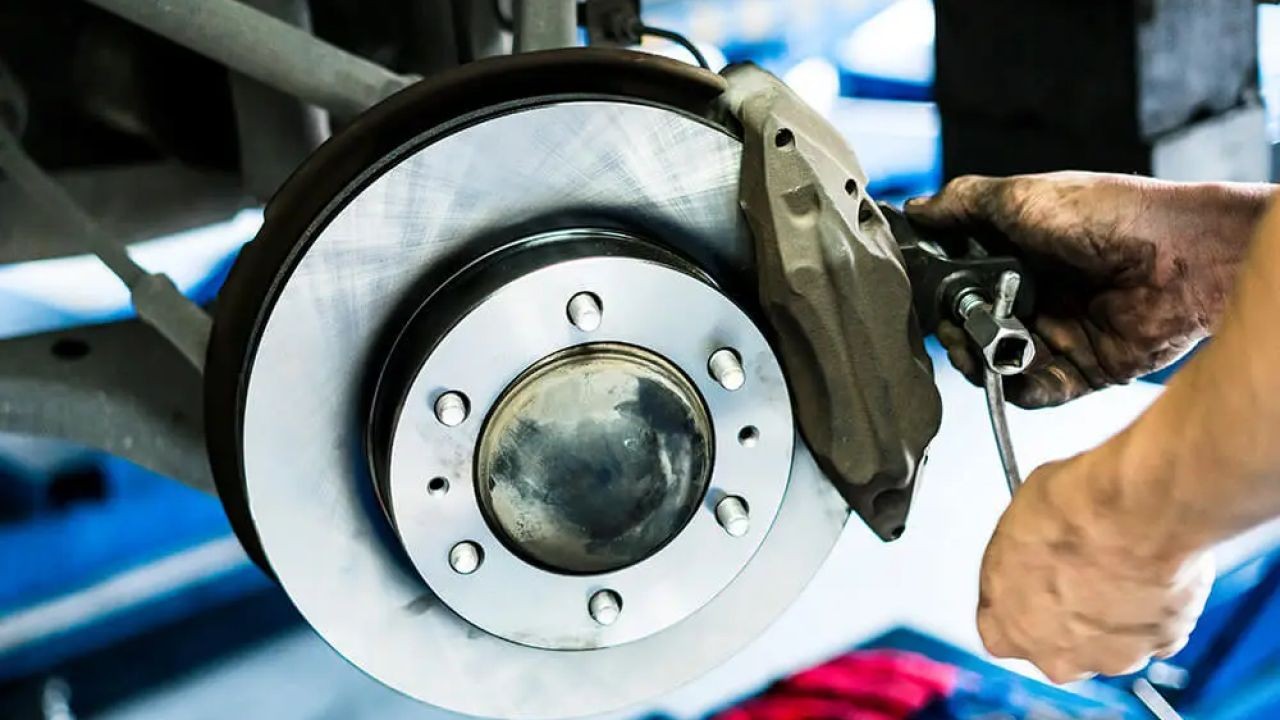
Feeling vibrations or pulsations through the brake pedal can indicate warped rotors. This is particularly prevalent in regions with steep gradients, such as New Zealand’s mountainous areas, where frequent braking can cause overheating and warping.
4. Leaking Fluid
Brake fluid is essential for the proper functioning of your braking system. If you notice fluid leaking from your vehicle, it's important to get it checked immediately. Leaks can lead to a drop in brake pressure, making your brakes less effective.
5. Dashboard Warning Light
Modern vehicles are equipped with sensors that alert you to potential issues. If the brake warning light on your dashboard comes on, it’s time to have your brakes inspected by a professional.
Case Study: Aotearoa Motors – Enhancing Vehicle Safety
Problem: Aotearoa Motors, a leading vehicle service provider in New Zealand, noticed an increase in brake-related complaints among their customers, particularly those frequently driving through hilly terrains.
Action: The company launched a comprehensive brake inspection campaign, offering free brake checks and discounts on replacements. They partnered with local mechanics to ensure customers received timely and expert advice on maintaining their vehicles.
Result: Within six months, Aotearoa Motors reported a 40% reduction in brake-related issues and increased customer satisfaction scores by 25%. Their proactive approach not only enhanced safety but also boosted their reputation as a responsible service provider.
Takeaway: Regular brake inspections and maintenance can significantly reduce accident risks and improve customer loyalty. New Zealand businesses in the automotive sector can benefit from prioritizing safety and customer education.
Data-Driven Insights: The Economic Impact of Brake Maintenance
According to Stats NZ, the automotive repair and maintenance industry contributed over NZD 2 billion to the economy in 2022. Regular vehicle maintenance, including brake inspections, not only ensures safety but also supports the local economy by generating jobs and business opportunities. Furthermore, the New Zealand Ministry of Business, Innovation, and Employment (MBIE) highlights the importance of vehicle safety in reducing healthcare costs associated with road accidents.
Pros and Cons of Regular Brake Inspections
- Pros:
- Enhanced Safety: Regular inspections can prevent accidents due to brake failure.
- Cost Savings: Identifying issues early can reduce long-term repair costs.
- Increased Vehicle Longevity: Well-maintained brakes contribute to overall vehicle durability.
- Cons:
- Initial Expense: Some may view regular inspections as an unnecessary cost.
- Time-Consuming: Regular maintenance requires scheduling and commitment.
Debunking Common Myths About Brake Maintenance
- Myth: "If the brakes aren't making noise, they're fine."
- Reality: Not all brake issues make noise. Internal parts can wear out silently, leading to failure if not checked regularly.
- Myth: "Brake fluid never needs replacing."
- Reality: Brake fluid absorbs moisture over time, reducing its effectiveness and leading to corrosion.
- Myth: "Brakes only need to be checked when they stop working."
- Reality: Regular inspections can catch problems before they lead to complete brake failure.
Future Trends in Brake Technology
The future of brake technology is evolving with advancements in materials and designs. By 2026, it is predicted that electric and hybrid vehicles will dominate the New Zealand market, leading to increased demand for regenerative braking systems. These systems convert kinetic energy into electrical energy, improving fuel efficiency and reducing wear on traditional brake components.
Additionally, the integration of artificial intelligence and machine learning in vehicle systems is expected to enhance predictive maintenance capabilities, allowing for more accurate identification of potential brake issues before they occur.
Conclusion
Recognizing when your brakes need replacing is crucial for safety and vehicle performance, especially on New Zealand’s challenging roads. By staying informed about the signs of brake wear and prioritizing regular maintenance, you can ensure your vehicle remains safe and reliable. Consider scheduling a brake inspection today to avoid costly repairs and potential accidents.
What’s your take on brake maintenance? Have you experienced any brake-related issues on New Zealand roads? Share your insights and experiences in the comments below!
People Also Ask
- How does brake maintenance impact vehicle safety in New Zealand?Regular brake maintenance ensures optimal performance, reducing the risk of accidents on New Zealand's diverse terrains.
- What are the biggest misconceptions about brake maintenance?A common myth is that brakes only need checking when they fail, but regular inspections can prevent costly repairs.
- What are the best strategies for implementing brake maintenance?Experts recommend regular inspections, immediate attention to unusual noises, and timely fluid replacements for long-term safety.
Related Search Queries
- Brake replacement cost in New Zealand
- Signs of worn brake pads
- Brake maintenance tips for New Zealand roads
- How often to replace brakes
- Importance of brake fluid replacement