





In the bustling world of commercial real estate, defining a brand is not just a matter of aesthetics; it's a strategic approach that can dictate success or failure. Brand archetypes—a concept derived from the work of psychologist Carl Jung—offer a profound way to shape a brand's identity, aligning it with the universal symbols and narratives that resonate deeply with human psychology. Understanding and leveraging these archetypes can empower businesses to connect with their audience on a deeper level, thereby enhancing their market presence and competitive edge.
For commercial real estate brokers in New Zealand, utilizing brand archetypes is not just about standing out in a crowded market; it's about creating a compelling story that aligns with the cultural and economic nuances of the Kiwi landscape. With New Zealand's economy characterized by its openness and dependence on international trade, as well as its unique regulatory environment, brokers must craft brands that speak to both global investors and local stakeholders.
Understanding Brand Archetypes
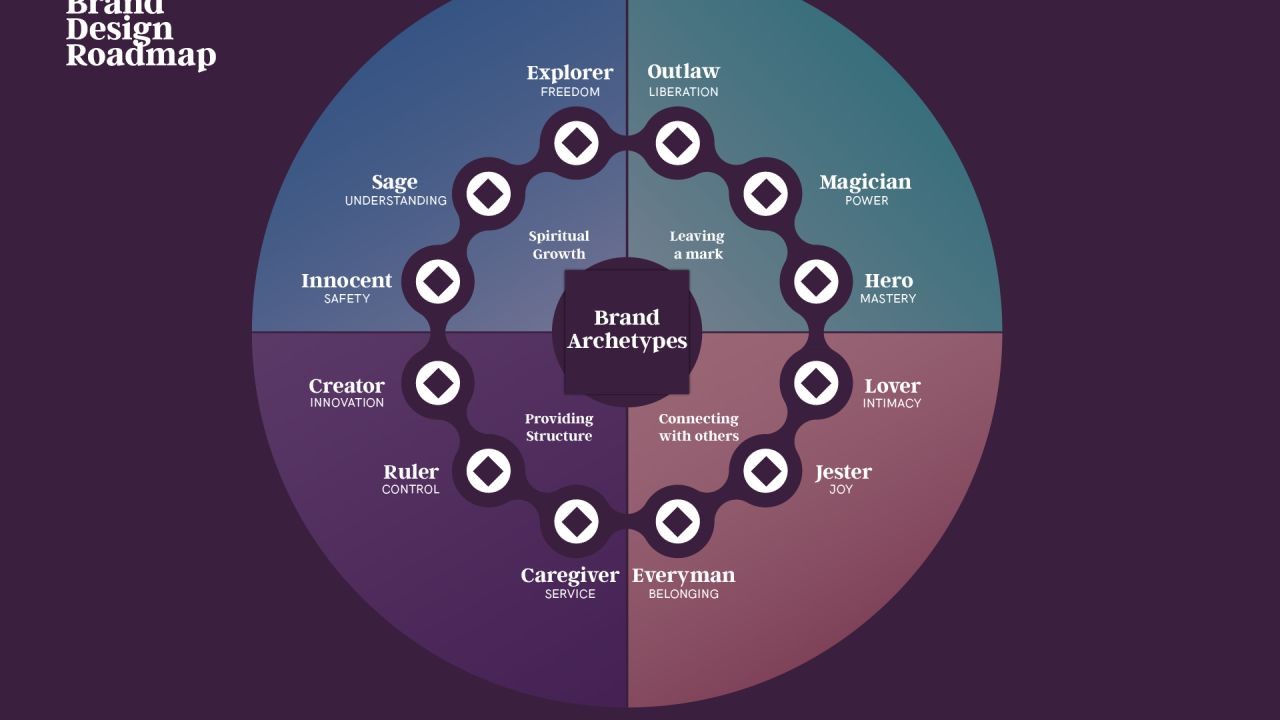
Brand archetypes are essentially universal characters or roles that a brand can embody. There are twelve primary archetypes, including the Hero, the Magician, the Sage, and the Explorer, each representing a set of values and characteristics that resonate with consumers. For instance, the Hero archetype embodies courage and strength, appealing to those who aspire to overcome challenges and achieve greatness.
In the context of New Zealand's real estate market, choosing the right archetype can be pivotal. Consider the Magician archetype, which is about transformation and making the impossible possible. A broker embracing this archetype might emphasize their ability to turn undervalued properties into thriving investments, appealing to New Zealand’s innovative spirit and its emphasis on sustainable development.
Case Study: Kiwi Property - The Sage Archetype
Problem:
Kiwi Property, one of New Zealand's largest property investment companies, faced the challenge of differentiating itself in a competitive market dominated by global players. The company needed a brand identity that conveyed expertise, trust, and a deep understanding of the market.
Action:
The company adopted the Sage archetype, positioning itself as the wise and knowledgeable advisor. This involved leveraging data-driven insights and providing educational content to stakeholders, emphasizing transparency and informed decision-making.
Result:
Within a year, Kiwi Property saw a 20% increase in stakeholder engagement and a 15% rise in property investment inquiries. Their brand was perceived as a trustworthy authority in the market, which resonated well with both local and international investors.
Takeaway:
This case study illustrates how adopting an archetype that aligns with a company’s core values and market needs can lead to tangible business outcomes. For brokers in New Zealand, choosing an archetype like the Sage can build trust and establish authority in a sector where knowledge and expertise are highly valued.
Pros and Cons of Using Brand Archetypes in Commercial Real Estate
Pros:
- Enhanced Customer Connection: Archetypes help create a more relatable and emotionally engaging brand story, fostering deeper connections with clients.
- Brand Consistency: Provides a framework for consistent brand messaging across all platforms, ensuring a cohesive identity.
- Competitive Differentiation: Distinctive brand positioning can set a company apart in a saturated market.
- Increased Loyalty: By resonating emotionally with clients, companies can build lasting relationships and customer loyalty.
Cons:
- Misalignment Risks: Choosing an inappropriate archetype can lead to brand confusion and disconnect with target audiences.
- Complex Implementation: Requires a deep understanding of the brand’s core values and target market, which can be resource-intensive.
- Static Perception: Over-reliance on an archetype might limit brand evolution and adaptation to market changes.
Common Myths About Brand Archetypes
- Myth: "Archetypes are only for large brands." Reality: Even small and medium-sized enterprises can benefit from clear brand archetypes. They provide a scalable framework for storytelling and identity building.
- Myth: "Archetypes limit creativity." Reality: Archetypes offer a foundation that can be creatively expanded upon, allowing for innovative marketing strategies while maintaining consistency.
- Myth: "Once chosen, an archetype cannot change." Reality: As businesses evolve, their brand archetype can shift to better align with new goals and markets.
Future Trends and Predictions
In the next five years, the integration of digital technologies and data analytics will transform how brand archetypes are utilized in commercial real estate. New Zealand’s focus on technological innovation and sustainability is likely to see an increased adoption of the Magician archetype, as companies strive to create transformative and sustainable solutions in urban development. According to a 2024 Deloitte report, 70% of Kiwi businesses plan to enhance their digital engagement strategies, highlighting the importance of aligning brand archetypes with technological advancements.
Conclusion
Brand archetypes offer a powerful tool for commercial real estate brokers in New Zealand, assisting in crafting a resonant brand identity that aligns with both local and global market demands. By understanding and leveraging these archetypes, brokers can enhance their connection with clients, differentiate themselves in a competitive landscape, and drive sustainable growth.
Ready to redefine your brand strategy? Consider which archetype best aligns with your values and market goals. Share your thoughts or success stories in the comments below!
People Also Ask
- How do brand archetypes impact businesses in New Zealand?Brand archetypes enhance customer engagement and differentiation, crucial for NZ’s competitive market. They align with local values, boosting brand loyalty.
- What are the best strategies for implementing brand archetypes?Start by identifying core values, research audience preferences, and ensure consistent messaging across platforms for successful implementation.
- Who benefits the most from brand archetypes?Real estate brokers, marketers, and brand strategists benefit by enhancing brand identity and customer connection, driving growth and market differentiation.
Related Search Queries
- Brand archetypes in real estate
- How to define a brand using archetypes
- New Zealand real estate branding strategies
- Magician archetype in business
- Sage archetype case studies
- Brand differentiation in NZ real estate
- Implementing brand archetypes
- Sustainable branding in real estate
- Digital transformation in Kiwi businesses
- Future of brand archetypes in real estate