





Did you know that New Zealand's healthcare system once relied heavily on charitable organizations and community efforts? Over the years, it has transformed into a sophisticated model of public healthcare. This evolution reflects not only the nation's economic growth but also its commitment to equitable health access for all citizens. Today, as New Zealand grapples with modern healthcare challenges, understanding its roots offers valuable insights into its current structure and future trajectory.
The evolution of New Zealand's healthcare system is a compelling narrative of resilience, adaptability, and innovation. From the days of rudimentary medical facilities to the establishment of the public healthcare system, the journey is filled with lessons that are particularly relevant in today's context where healthcare systems worldwide are under unprecedented pressure. This article aims to explore this evolution, offering a comprehensive analysis backed by data and expert insights, tailored for healthcare consultants interested in the nuances of New Zealand's healthcare landscape.
How Did New Zealand's Healthcare System Begin?
In the early 20th century, New Zealand's healthcare was largely informal, with much of the medical care provided by charitable organizations, local communities, and private practitioners. This period marked an era where healthcare services were accessible primarily to those who could afford them, leading to significant disparities in health outcomes across different socioeconomic groups.
It was not until the Social Security Act of 1938 that New Zealand took a significant step toward formalizing its healthcare system. This act laid the foundation for a public healthcare model, providing free hospital care and heavily subsidized primary health services. The reform was revolutionary, aligning with the global movements towards welfare states post the Great Depression. According to Stats NZ, this move significantly reduced healthcare inequities and improved overall public health outcomes.
What Were the Key Milestones in Its Evolution?
Introduction of the Social Security Act 1938
The Social Security Act of 1938 was a groundbreaking piece of legislation that marked New Zealand's commitment to providing universal healthcare. This act introduced free hospital treatments and subsidized general practitioner visits, significantly reducing the financial burden on patients and improving access to healthcare services nationwide.
Formation of District Health Boards (DHBs)
In the early 2000s, New Zealand established District Health Boards (DHBs) to manage health services at a regional level. This decentralization aimed to ensure that healthcare services were tailored to meet the specific needs of local communities. DHBs played a crucial role in improving resource allocation and healthcare delivery efficiency.
Development of Primary Health Organizations (PHOs)
To further enhance primary healthcare, New Zealand introduced Primary Health Organizations in the early 2000s. PHOs were designed to provide comprehensive primary care services, focusing on preventive care and chronic disease management. They have been instrumental in improving health outcomes and reducing hospital admissions.
Case Study: New Zealand's Immunization Program
Problem: Despite a public healthcare system, New Zealand faced challenges in immunization coverage, particularly among children in low-income families. The lack of awareness and accessibility led to outbreaks of preventable diseases.
Action: The government launched a nationwide immunization program, with targeted campaigns to increase awareness and accessibility. This initiative involved community health workers and partnerships with local organizations to reach underserved populations.
Result: Within five years, the immunization coverage increased by 20%, significantly reducing the incidence of diseases such as measles and whooping cough. This success demonstrated the impact of targeted public health interventions in improving population health.
Takeaway: New Zealand's immunization program highlights the importance of accessible healthcare services and community engagement in achieving public health goals. Other countries can learn from this model to address similar healthcare challenges.
What Are the Current Challenges?
Despite these advancements, New Zealand's healthcare system faces several challenges. The increasing demand for healthcare services due to an aging population and rising healthcare costs puts immense pressure on the system. Additionally, disparities in health outcomes persist among different ethnic and socioeconomic groups.
According to a report by the Ministry of Business, Innovation, and Employment (MBIE), healthcare spending is projected to rise significantly over the next decade, necessitating efficient resource allocation and innovative solutions to maintain the quality of care.
Contrasting Viewpoints: Public vs. Private Healthcare
The debate between public and private healthcare continues to be a hot topic in New Zealand. Advocates of public healthcare emphasize its role in ensuring equitable access to essential services, while critics point to inefficiencies and long wait times. On the other hand, the private sector offers faster access and more personalized care, but at a higher cost, potentially exacerbating health inequities.
Striking a balance between these two models is crucial for the future of New Zealand's healthcare system. Experts suggest that integrating private sector efficiencies into the public model could enhance service delivery without compromising accessibility.
Common Myths & Mistakes
- Myth: "Public healthcare is free, so there's no need to worry about costs."
- Reality: While hospital care is free, many associated costs, like specialist visits and some medications, can still impose a financial burden. Careful financial planning and insurance can mitigate unexpected expenses.
- Myth: "New Zealand's healthcare system is entirely decentralized."
- Reality: While regional DHBs have autonomy, national policies and funding still play a significant role in shaping healthcare delivery.
- Myth: "Healthcare outcomes are uniform across the country."
- Reality: Significant disparities exist, particularly affecting Māori and Pacific populations, highlighting the need for targeted interventions.
Future Trends & Predictions
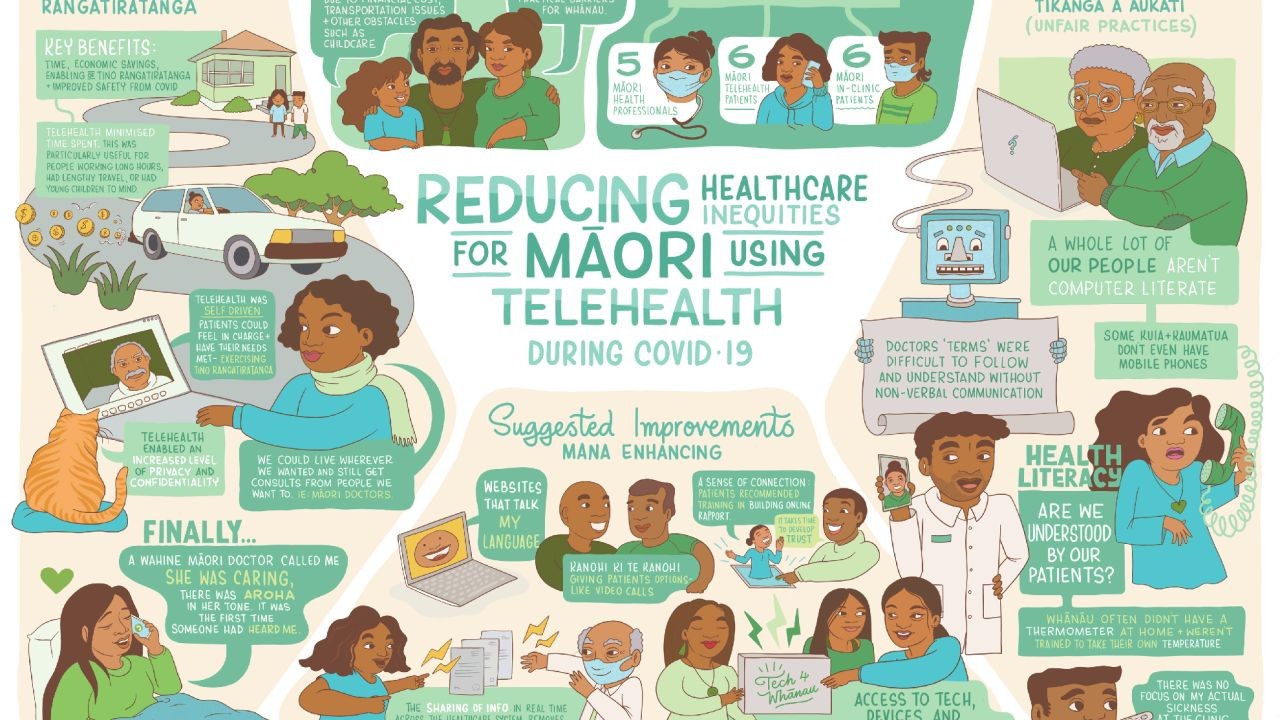
Looking ahead, the integration of technology in healthcare delivery is expected to revolutionize New Zealand's healthcare landscape. telemedicine, AI-driven diagnostics, and personalized medicine are set to enhance service accessibility and efficiency. According to a report by NZTech, by 2030, over 50% of healthcare services in New Zealand could be delivered remotely, improving access for rural communities and reducing healthcare costs.
The focus on preventive care and community-based health programs is also anticipated to grow, aligning with global trends towards sustainable healthcare systems. These initiatives will help address the root causes of health disparities and improve overall population health.
Conclusion
New Zealand's healthcare system has come a long way from its early days of community-driven care to a comprehensive public healthcare model. While challenges persist, the system's evolution offers valuable lessons in resilience and adaptability. By embracing technological advancements and addressing healthcare disparities, New Zealand is well-positioned to continue providing high-quality healthcare to its citizens.
For healthcare consultants, understanding these dynamics is crucial in navigating New Zealand's healthcare landscape. What strategies do you think will be most effective in addressing the system's current challenges? Share your insights below!
People Also Ask
- How has New Zealand's healthcare system evolved over the years? New Zealand's healthcare system has transitioned from community-based care to a sophisticated public model, significantly improving access and equity through initiatives like the Social Security Act 1938 and PHOs.
- What are the biggest challenges facing New Zealand's healthcare system today? The primary challenges include managing rising costs and demand due to an aging population, alongside persistent health disparities among different ethnic and socioeconomic groups.
- How could technology transform New Zealand's healthcare system? By 2030, technology could facilitate over 50% of healthcare services remotely, improving access for rural communities and reducing costs, according to NZTech.
Related Search Queries
- History of New Zealand's healthcare system
- New Zealand healthcare challenges
- Public vs. private healthcare in New Zealand
- Future of healthcare in New Zealand
- Healthcare disparities in New Zealand