




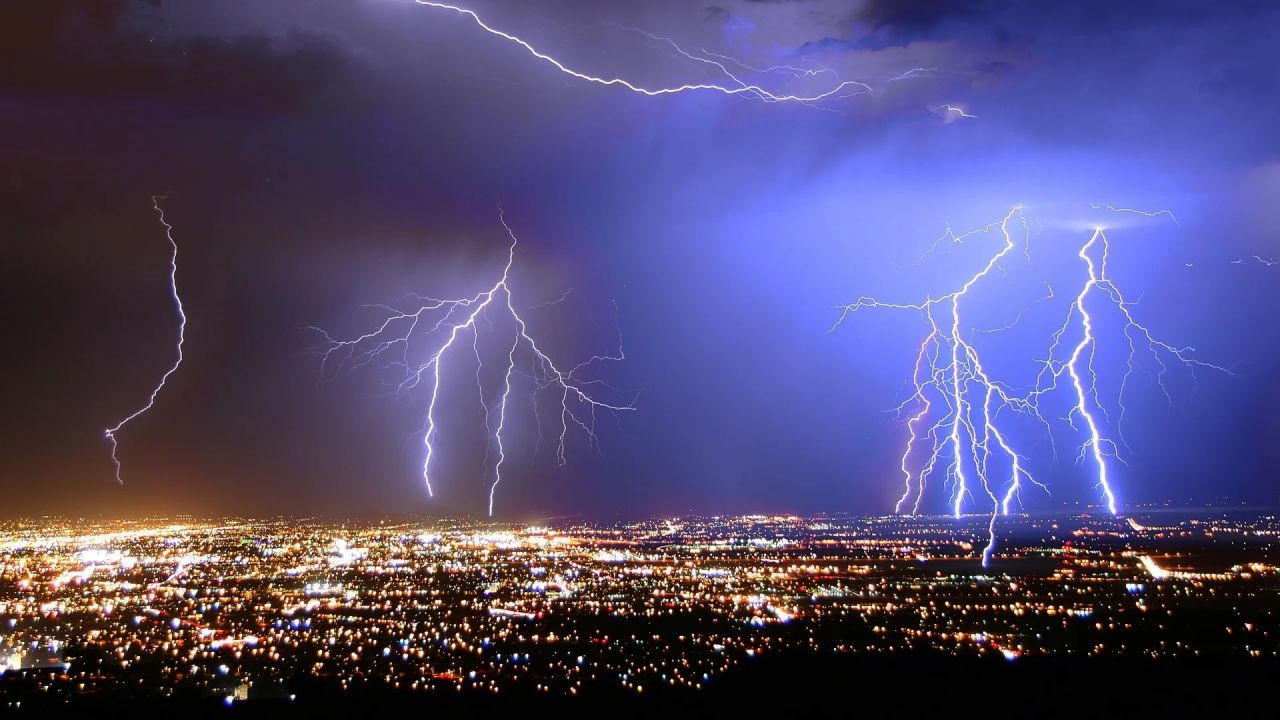
In the heart of New Zealand's central North Island, a severe thunderstorm alert has captured the attention of meteorologists, policymakers, and citizens alike. Cyclone Tam, a meteorological phenomenon, has left a significant impact on the region, prompting a reflection on how weather patterns shape our lives. This article delves into the historical perspective of cyclonic events in New Zealand, examines the current scenario with Cyclone Tam, and explores the potential implications for the future.
The Historical Context: Cyclones and New Zealand
New Zealand's geographical location in the South Pacific makes it susceptible to cyclonic activities. Historically, cyclones have been a part of the country's climatic tapestry, with notable events such as Cyclone Bola in 1988 causing widespread damage. These weather patterns have not only influenced the physical landscape but have also impacted the economy and cultural narratives.
According to Stats NZ, cyclonic events have historically resulted in significant economic repercussions, affecting industries such as agriculture, tourism, and infrastructure. The Reserve Bank of New Zealand highlights that climate-related incidents cost the economy millions annually, underscoring the need for proactive measures and resilient infrastructure.
Current Scenario: Cyclone Tam's Tail
Cyclone Tam's tail has brought intense thunderstorms to the central North Island, triggering severe weather alerts. This event serves as a reminder of the unpredictable nature of climate patterns and their potential to disrupt daily life. The Ministry of Business, Innovation and Employment (MBIE) has emphasized the importance of robust infrastructure and adaptive strategies to mitigate the effects of such natural phenomena.
Recent data from the MetService indicates that severe thunderstorms have increased in frequency and intensity, attributed to global climatic changes. This trend necessitates a deeper understanding and strategic planning to safeguard both the environment and economic interests.
Case Study: Cyclone Tam's Economic Impact
To illustrate the real-world implications, consider the impact of Cyclone Tam on local agriculture in the central North Island. Farms reported damages to crops and livestock, leading to an estimated loss of NZD 10 million. This financial strain highlights the vulnerability of primary industries to weather-related disruptions.
Experts suggest that integrating technology, such as precision agriculture and early warning systems, can enhance resilience. By leveraging these advancements, New Zealand can mitigate the impact of future cyclonic events, ensuring sustainability and economic stability.
Pros and Cons: Navigating Weather Challenges
Addressing severe weather challenges requires a balanced approach:
Pros:
- Enhanced Preparedness: Investing in forecasting and early warning systems can significantly reduce damage.
- Economic Resilience: Implementing adaptive strategies can safeguard industries and promote long-term growth.
- Technological Advancements: Utilizing cutting-edge technology can improve response efficiency and accuracy.
Cons:
- High Costs: Initial investments in technology and infrastructure can be substantial.
- Implementation Challenges: Coordinating efforts across sectors may prove complex.
- Environmental Concerns: Balancing development with ecological preservation poses ongoing challenges.
Future Trends: A Resilient New Zealand
As we look to the future, New Zealand's approach to weather-related events must evolve. By 2030, experts predict a 25% increase in the frequency of severe weather events. This trend underscores the necessity for comprehensive policies that integrate environmental, economic, and social considerations.
Emerging technologies, such as AI-driven climate modeling and renewable energy solutions, offer promising avenues for enhancing resilience. By adopting these innovations, New Zealand can lead the way in sustainable weather management, setting a benchmark for other nations.
Conclusion: A Call to Action
As Cyclone Tam's tail continues to test New Zealand's resilience, it is imperative to embrace proactive strategies that safeguard our communities and economy. We invite readers to reflect on the insights shared and consider how they can contribute to a more resilient future. Join the conversation and share your perspectives on how New Zealand can best prepare for and adapt to the challenges of severe weather events.
People Also Ask
- How does Cyclone Tam impact New Zealand's economy? Cyclone Tam impacts industries such as agriculture and tourism, with potential losses in revenue and increased costs for recovery and infrastructure repairs.
- What are the biggest misconceptions about cyclones in New Zealand? A common myth is that cyclones only affect coastal areas. However, research shows they can have far-reaching impacts on inland regions as well.
- What are the best strategies for managing severe weather events in New Zealand? Experts recommend integrating advanced forecasting systems, investing in resilient infrastructure, and fostering community awareness and preparedness.
Related Search Queries
- New Zealand cyclone history
- Impact of severe weather on NZ agriculture
- Climate change and New Zealand economy
- Resilient infrastructure strategies
- Future weather predictions for New Zealand