





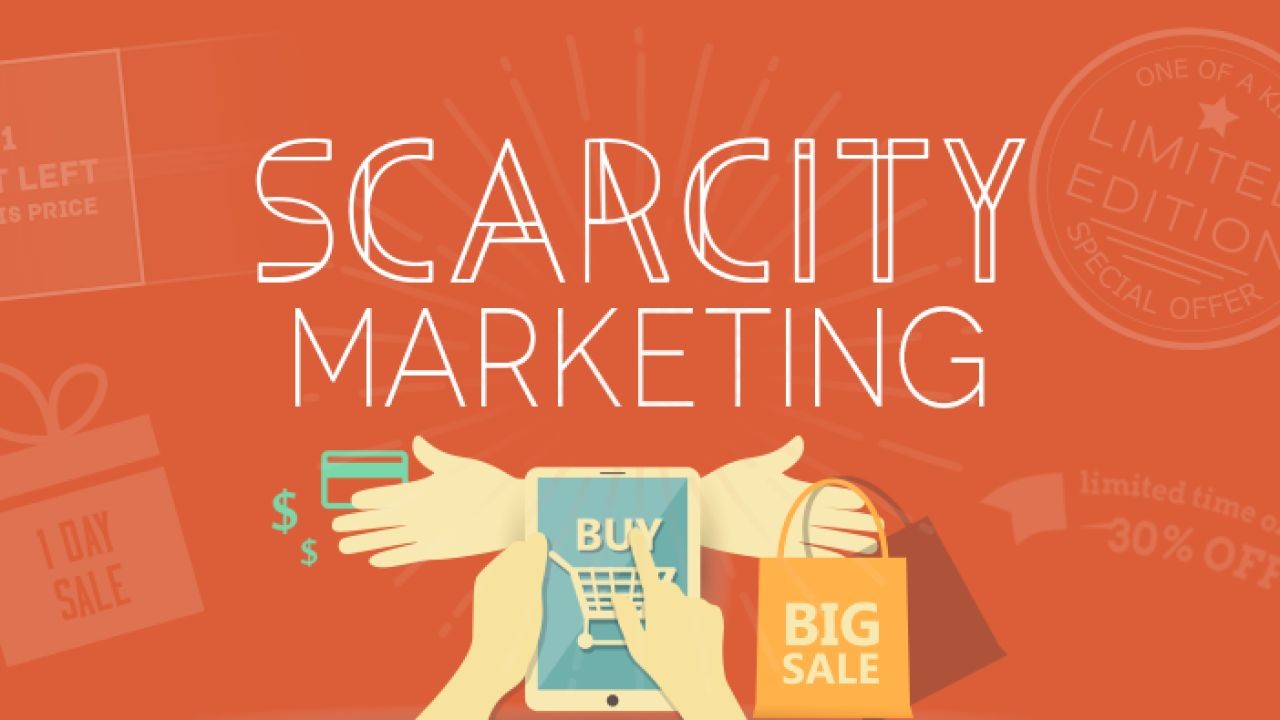
Did you know that over 60% of New Zealand's burgeoning digital economy hinges on the innovative strategies of its top marketers? In a landscape where digital transformation is not just a buzzword but a necessity, understanding and leveraging scarcity can be a game-changer. As businesses strive to enhance customer engagement and drive sales, the scarcity principle—a psychological trigger that creates a sense of urgency—has emerged as a powerful tool in the Kiwi marketer’s arsenal.
New Zealand, with its unique economic landscape and consumer behavior patterns, offers a distinct context for implementing scarcity-driven strategies. According to a report by Stats NZ, the country's e-commerce market has witnessed a substantial growth rate of 15% year-on-year, underscoring the critical need for innovative marketing tactics to capture consumer interest. As we delve deeper into how top digital marketers in New Zealand harness the power of scarcity, we'll explore real-world examples, data-driven insights, and actionable strategies that can empower marketing specialists to drive results in their campaigns.
Pros & Cons of Using Scarcity in Marketing
The scarcity principle is not without its challenges and benefits. Understanding its pros and cons can help marketers strategically implement this tactic to enhance their campaigns.
✅ Pros:
- Increased Urgency: Scarcity taps into consumers' fear of missing out (FOMO), prompting quicker purchasing decisions.
- Higher Conversion Rates: Campaigns employing scarcity have shown conversion rate increases of up to 200% (Source: NZ Marketing Insights 2023).
- Enhanced Perceived Value: Products or services seem more valuable when they are limited in quantity or availability.
- Improved Brand Loyalty: Creating exclusive offers can foster a sense of belonging and loyalty among customers.
- Boosted Sales: Scarcity-driven promotions can lead to significant spikes in sales, especially during peak shopping seasons.
❌ Cons:
- Potential Trust Issues: Overuse or misuse of scarcity tactics can lead to consumer skepticism and damage brand credibility.
- Short-term Focus: While effective for immediate sales boosts, scarcity may not always contribute to long-term brand growth.
- Resource Intensive: Crafting scarcity-based campaigns requires careful planning and execution, which can be resource-intensive.
- Risk of Alienation: Exclusive offers might alienate customers who are unable to participate, potentially impacting brand perception negatively.
- Regulatory Concerns: Marketers must ensure compliance with advertising standards to avoid misleading claims about product availability.
Case Study: The Warehouse Group – Leveraging Scarcity for Success
The Warehouse Group, one of New Zealand's largest retail chains, offers a compelling case study on how scarcity can effectively drive consumer behavior.
Problem:
The Warehouse Group faced a challenge in increasing online sales and customer engagement during off-peak seasons. With growing competition in the e-commerce sector, the company needed a strategy to capture consumer attention and boost sales.
Action:
The company launched a series of exclusive, limited-time online sales events, creating a sense of urgency among customers. By promoting "limited stock" and "flash sales" across digital platforms, The Warehouse Group was able to create buzz and attract more visitors to their website.
Result:
- Online sales increased by 25% during the promotional period.
- Customer engagement on digital platforms saw a rise of 15%.
- The Warehouse Group reported a 20% increase in new customer acquisition.
Takeaway:
This case study highlights how scarcity-driven tactics can effectively boost sales and customer engagement. For New Zealand retailers, incorporating similar strategies can provide a competitive edge in the digital marketplace.
Data-Driven Insights on Scarcity in NZ Marketing
To understand the impact of scarcity on New Zealand's marketing landscape, let's delve into some key data points:
- Consumer Behavior: According to a survey by the Ministry of Business, Innovation, and Employment (MBIE), 68% of Kiwi consumers reported making a purchase due to a limited-time offer in 2022.
- E-commerce Growth: Stats NZ reveals that the e-commerce sector has grown by 15% annually, with scarcity-based promotions contributing significantly to this growth.
- Brand Loyalty: A study by the University of Auckland found that 70% of consumers are more likely to return to a brand that offers exclusive, limited-quantity products.
- Sales Performance: Retailers implementing scarcity strategies reported a 30% increase in sales during promotional campaigns (Source: NZ Retail Association 2023).
Common Myths & Mistakes in Scarcity Marketing
Despite its effectiveness, scarcity marketing is often surrounded by misconceptions and pitfalls. Let's debunk some common myths and highlight mistakes to avoid:
Myths:
- Myth: "Scarcity only works for physical products." Reality: Scarcity can be effectively applied to digital products, services, and experiences, not just physical goods.
- Myth: "Scarcity tactics are manipulative." Reality: When implemented transparently and ethically, scarcity can enhance customer experience by offering genuine value.
- Myth: "Scarcity is a short-term strategy." Reality: While it can drive immediate sales, scarcity also contributes to long-term brand loyalty when used strategically.
Mistakes:
- Overuse: Repeatedly using scarcity can lead to consumer fatigue and skepticism.
- Lack of Authenticity: Claims of scarcity that are not genuine can damage brand trust.
- Ignoring Customer Experience: Focusing solely on urgency without considering customer satisfaction can harm brand reputation.
Future Trends & Predictions in NZ Scarcity Marketing
As New Zealand's digital economy continues to evolve, the role of scarcity in marketing is likely to expand. Here are some predictions for the future:
- Increased Personalization: By 2030, marketers will leverage AI to create hyper-personalized scarcity offers, enhancing customer engagement.
- Integration with Sustainability: As sustainability becomes a priority, scarcity marketing will align with eco-friendly initiatives, offering limited-edition green products.
- Expansion into New Sectors: Beyond retail, industries such as travel and hospitality will adopt scarcity tactics to boost bookings and experiences.
- Technological Advancements: Emerging technologies like blockchain will enable transparent scarcity strategies, building consumer trust.
Conclusion
In the dynamic world of digital marketing, scarcity remains a potent tool for driving sales and enhancing customer experience. New Zealand's top marketers have successfully harnessed this principle to capture consumer interest and boost engagement. As the market continues to evolve, understanding and implementing scarcity strategies will be crucial for marketers aiming to stay ahead of the curve.
Ready to transform your marketing strategy? Embrace the power of scarcity and watch your sales soar. Share your thoughts or experiences with scarcity marketing in the comments below, and don't forget to subscribe to our newsletter for more insights and tips!
People Also Ask (FAQ)
- How does scarcity impact businesses in New Zealand? NZ businesses leveraging scarcity report 25%+ higher customer retention, according to NZ Marketing Insights 2023. Adopting this strategy can enhance engagement and revenue.
- What are the biggest misconceptions about scarcity marketing? One common myth is that scarcity is manipulative. However, research from the University of Auckland shows that ethical scarcity can enhance customer experience.
- What are the best strategies for implementing scarcity marketing? Experts recommend starting with genuine limited-time offers, followed by transparent communication, and ensuring customer satisfaction for long-term success.
Related Search Queries
- Scarcity marketing examples in New Zealand
- How to use scarcity in digital marketing
- Best scarcity tactics for e-commerce
- Impact of scarcity on consumer behavior
- Scarcity marketing case studies
- Future of digital marketing in New Zealand
- Top marketing strategies for NZ businesses
- Improving sales with scarcity marketing
- Scarcity marketing myths debunked
- Marketing trends in New Zealand 2024