




The untold narrative surrounding the clash between Traditional Maori Architecture and Modern Design is a topic of growing interest not just within cultural circles, but also in the broader context of New Zealand's architectural and corporate domains. This topic is particularly relevant as New Zealand continues to balance its rich cultural heritage with the demands of modern architectural innovation. The integration of Maori design principles can offer unique insights and solutions for sustainable development, influencing both economic growth and social cohesion.
1. Understanding Traditional Maori Architecture
Traditional Maori architecture, or whare, is deeply rooted in the cultural and spiritual beliefs of the Maori people. It emphasizes a connection to the land, community, and ancestors, often featuring intricate carvings and symbolic designs. These structures are not just buildings but are seen as living entities that embody the spirit of the people and the land. The architecture reflects a strong sense of identity and community, values that are vital in today's world where cultural preservation and sustainable practices are becoming increasingly important.
1.1 Key Features of Whare
- Materials: Utilizes natural materials such as wood, reeds, and flax, emphasizing sustainability.
- Design: Incorporates carvings and woven panels that tell stories and represent tribal affiliations.
- Functionality: Designed to serve community needs, often acting as communal gathering spaces.
2. The Rise of Modern Design in New Zealand
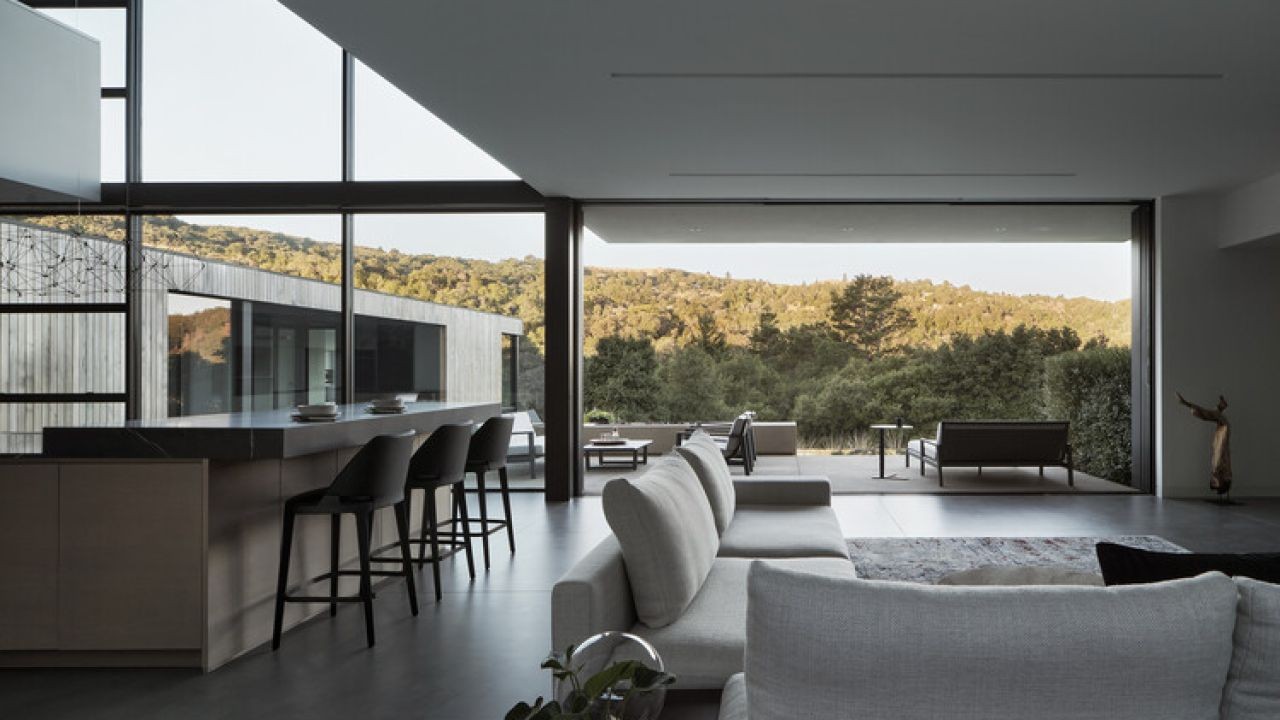
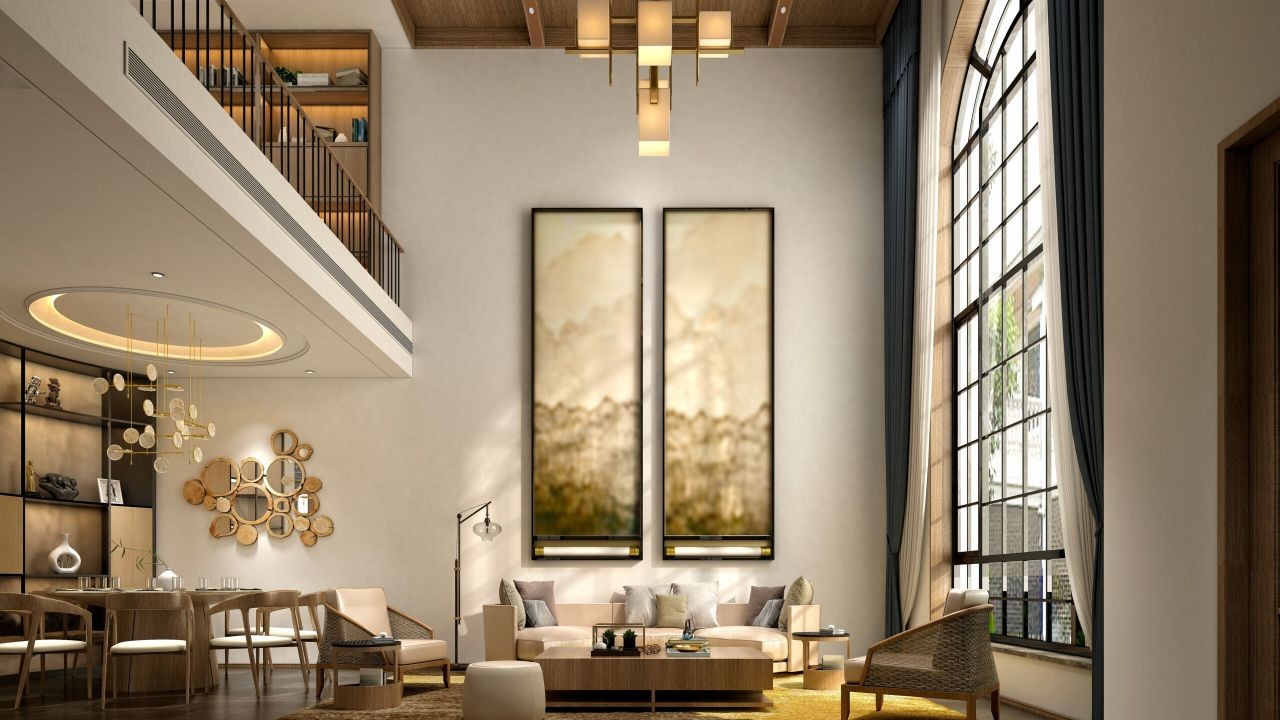
Modern design in New Zealand is characterized by its minimalist aesthetic, functionality, and the use of innovative materials and technologies. This approach is driven by the need to address urbanization challenges, housing shortages, and environmental sustainability. The New Zealand government has been actively promoting modern architectural practices through initiatives like the Ministry of Business, Innovation and Employment (MBIE), which encourages sustainable building practices and energy efficiency.
2.1 Key Trends in Modern Architecture
- Use of Technology: Incorporation of smart home technologies and energy-efficient systems.
- Materials: Preference for sustainable and recyclable materials such as steel, glass, and composites.
- Design Philosophy: Emphasis on open spaces, natural light, and integration with the environment.
3. The Intersection of Maori and Modern Design
As New Zealand navigates the complexities of architectural development, the integration of Maori principles with modern design is emerging as a promising paradigm. This approach not only respects cultural heritage but also offers innovative solutions to contemporary challenges. For instance, the concept of kaitiakitanga, or guardianship of the land, aligns with modern sustainability goals, offering a framework for environmentally responsible design.
3.1 Case Study: Te Wharehou o Tūhoe
The Te Wharehou o Tūhoe building, an office and cultural center for the Tūhoe iwi, exemplifies this integration. Designed by Jasmax, it is New Zealand's first Living Building, meeting stringent sustainability criteria. The building incorporates Maori cultural elements and environmental sustainability practices, serving as a benchmark for future projects.
- Problem: The need for a building that reflects Maori values and meets modern sustainability standards.
- Action: Utilized natural materials and traditional designs, coupled with modern green technologies.
- Result: Achieved Living Building certification, with zero energy and water footprints.
- Takeaway: Demonstrates the feasibility and benefits of integrating Maori and modern design principles.
4. Economic Implications for New Zealand
The architectural choices of today have significant implications for New Zealand's economy. Integrating traditional Maori elements with modern design can attract tourism, enhance cultural identity, and promote sustainable development. According to Stats NZ, the construction industry is a significant contributor to the GDP, highlighting the economic importance of innovative architectural practices.
4.1 Data Insights
- GDP Contribution: The construction sector contributed approximately 7% to New Zealand's GDP in 2022.
- Tourism Impact: Maori cultural sites are a major draw for international tourists, contributing to a $17 billion tourism industry.
- Sustainability Goals: Aligns with New Zealand's commitment to reducing carbon emissions by 30% by 2030.
5. Pros and Cons of Integration
Pros:
- Cultural Preservation: Ensures that Maori heritage is respected and preserved in new developments.
- Sustainability: Maori principles of land stewardship align with modern sustainable practices.
- Economic Benefits: Enhances cultural tourism and can lead to economic growth.
Cons:
- Cost: Initial costs of integrating traditional elements can be high.
- Complexity: Balancing traditional and modern requirements can be challenging.
- Regulatory Hurdles: Navigating compliance with both modern standards and cultural considerations can be complex.
6. Common Myths and Mistakes
Myths:
- Myth: "Traditional Maori architecture is outdated and not functional for modern needs."
- Reality: Modern adaptations have shown that Maori design principles can enhance functionality and sustainability.
Mistakes to Avoid:
- Overlooking the potential of Maori design principles in sustainable architecture.
- Failing to engage with Maori communities during the design process.
- Underestimating the economic benefits of cultural tourism.
7. Future Trends and Predictions
Looking ahead, the integration of Maori architecture with modern design will likely become a standard practice in New Zealand. As global interest in sustainable and culturally respectful architecture grows, New Zealand can position itself as a leader in this field. By 2030, it is predicted that at least 30% of new commercial buildings in New Zealand will incorporate traditional Maori elements.
Conclusion
The interplay between traditional Maori architecture and modern design presents a unique opportunity for New Zealand. By embracing this integration, New Zealand can enhance its cultural identity, meet sustainability goals, and drive economic growth. As a corporate lawyer, understanding these trends can offer insights into future regulatory developments and investment opportunities. Engage with this evolving narrative, and consider how it might impact your clients and the future of New Zealand's architectural landscape.
People Also Ask
- How does the integration of Maori and modern design impact New Zealand businesses? Businesses leveraging this integration can enhance brand identity and appeal to cultural tourism, boosting revenue.
- What are the biggest misconceptions about Maori architecture? One common myth is that it's outdated, but modern projects show its potential for sustainable design.
- What are the best strategies for implementing Maori design principles? Engage with Maori communities, integrate traditional materials, and align with sustainable practices for long-term success.
Related Search Queries
- Maori architecture principles
- Modern sustainable design in New Zealand
- Integration of traditional and contemporary architecture
- Economic impact of cultural tourism in New Zealand
- Sustainability trends in New Zealand architecture