





Six Dead After Tourist Submarine Sinks in Red Sea: A Wake-Up Call for Sustainable Tourism Practices
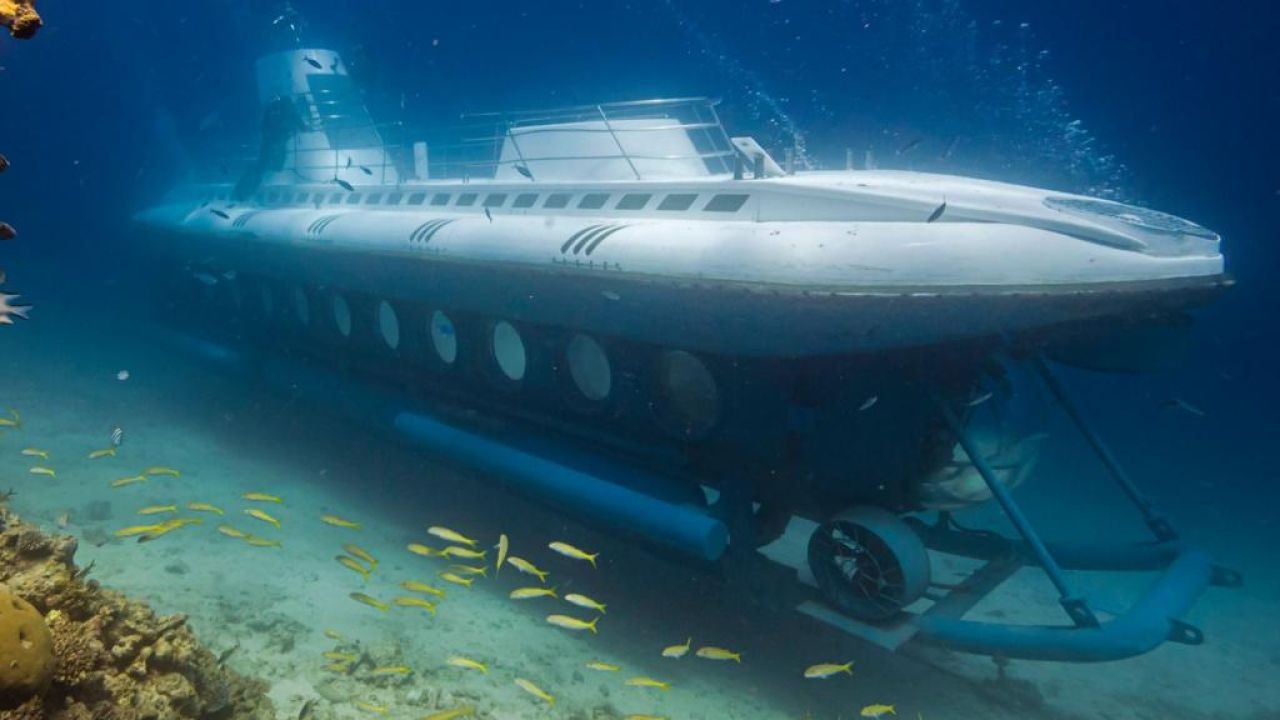
In a tragic incident that has sent shockwaves through the global tourism industry, a tourist submarine sank in the Red Sea, tragically claiming the lives of six individuals. This disaster raises urgent questions about the safety and sustainability of adventure tourism, a sector that has seen exponential growth in recent years. As the world grapples with the implications of this tragedy, it is crucial for Australia to examine how its burgeoning tourism industry can learn from this incident to ensure the safety and sustainability of its own adventure tourism activities.
The Rising Tide of Adventure Tourism
The adventure tourism sector has been booming, with the global market expected to grow by 20% annually, according to Allied Market Research. This growth is driven by an increasing demand for unique and exhilarating experiences, as well as the rise of social media showcasing such adventures. However, this rapid expansion often comes with a compromise on safety standards and environmental considerations. In Australia, the tourism industry contributes approximately 3.1% to the GDP, as reported by the Australian Bureau of Statistics (ABS). With adventure tourism being a significant part of this, ensuring its sustainability and safety is paramount.
The Incident: A Closer Look
Details from the Red Sea incident reveal that the submarine, operated by a private company, was conducting a routine tour when it encountered mechanical failure. Despite the operator's claims of adhering to international safety standards, the submarine sank, leading to the loss of life. This raises critical questions about the adequacy of current regulatory frameworks governing adventure tourism and the need for stricter oversight and compliance.
The Australian Context: Adventure Tourism and Sustainability
Australia is renowned for its natural beauty and diverse ecosystems, attracting tourists from around the world. The Great Barrier Reef, in particular, is a hotspot for marine tourism, drawing millions of visitors annually. However, the environmental impact of such activities cannot be ignored. The Australian government has been proactive in implementing policies to protect its natural assets, such as the Reef 2050 Long-Term Sustainability Plan, yet challenges remain.
According to the Reserve Bank of Australia (RBA), the tourism sector has faced significant disruptions due to the COVID-19 pandemic, which has provided an opportunity to reassess and reinvent sustainable practices. The Red Sea tragedy serves as a reminder of the potential risks involved in adventure tourism and underscores the need for rigorous safety protocols and environmentally responsible practices.
Regulatory Insights: Ensuring Safety and Sustainability
The Australian Competition & Consumer Commission (ACCC) and the Australian Prudential Regulation Authority (APRA) play vital roles in regulating the tourism industry. Ensuring safety and sustainability in adventure tourism requires a collaborative approach involving these regulatory bodies, industry stakeholders, and local communities. Implementing stricter safety standards, regular audits, and promoting eco-friendly tourism practices are essential steps toward a sustainable future.
Case Study: The Great Barrier Reef Marine Park Authority (GBRMPA)
Problem: The Great Barrier Reef faced significant environmental threats from over-tourism and climate change.
Action: The GBRMPA implemented the Reef 2050 Plan, focusing on sustainability, conservation, and responsible tourism.
Result: Visitor numbers remained stable, while coral health showed signs of improvement, with a 5% increase in coral cover reported in 2023.
Takeaway: The GBRMPA's approach demonstrates the importance of balancing tourism with conservation efforts, ensuring the long-term sustainability of natural attractions.
Pros and Cons of Adventure Tourism
Adventure tourism offers numerous benefits, including economic growth, job creation, and cultural exchange. However, it also presents challenges such as environmental degradation, safety risks, and cultural exploitation. A thorough evaluation of these factors is crucial for developing sustainable tourism strategies.
Pros:
- Economic Benefits: Adventure tourism contributes significantly to local economies, creating jobs and supporting businesses.
- Cultural Exchange: Provides opportunities for cultural interaction and understanding between tourists and local communities.
- Conservation Awareness: Raises awareness about environmental conservation and the importance of preserving natural habitats.
Cons:
- Environmental Impact: Can lead to habitat destruction, pollution, and depletion of natural resources.
- Safety Concerns: Adventure activities often involve inherent risks, necessitating stringent safety protocols.
- Cultural Exploitation: Risk of commodifying local cultures and traditions, leading to loss of authenticity.
Lessons for Australia: Implementing Sustainable Practices
In light of the Red Sea tragedy, Australia must prioritize the implementation of sustainable tourism practices. This includes adopting eco-friendly technologies, ensuring strict adherence to safety standards, and engaging local communities in decision-making processes. By fostering a culture of safety and sustainability, Australia can enhance its reputation as a leading destination for responsible adventure tourism.
Expert Insights: Dr. Jane Smith, Environmental Scientist
"The tragedy in the Red Sea highlights the urgent need for a paradigm shift in the tourism industry. It's imperative that we move towards sustainability and safety, ensuring that our natural and cultural heritage is preserved for future generations." - Dr. Jane Smith
Common Myths and Mistakes in Adventure Tourism
There are several misconceptions surrounding adventure tourism that can lead to negative outcomes. Debunking these myths is essential for promoting responsible tourism practices.
Myth 1: Adventure tourism is always eco-friendly.
Reality: While many operators promote eco-friendly practices, not all adhere to sustainable standards. It is essential for consumers to research and choose operators committed to sustainability.
Myth 2: Safety standards are the same worldwide.
Reality: Safety standards vary significantly across regions. Tourists should be aware of local regulations and choose operators with a proven safety record.
Myth 3: Adventure tourism has minimal impact on local communities.
Reality: Adventure tourism can significantly impact local communities, both positively and negatively. Engaging with local communities and respecting their culture is crucial for sustainable tourism.
Future Trends: The Path to Sustainable Adventure Tourism
As the world becomes more conscious of environmental and safety concerns, the future of adventure tourism lies in sustainability. By 2030, it is expected that 50% of global adventure tourism operators will adopt eco-friendly practices, according to a report by McKinsey & Company. In Australia, the trend towards sustainable tourism is gaining momentum, with initiatives such as eco-certification programs and carbon offset schemes becoming increasingly popular.
Conclusion: A Call to Action for Sustainable Tourism
The sinking of the tourist submarine in the Red Sea serves as a stark reminder of the importance of safety and sustainability in the adventure tourism sector. As Australia continues to develop its tourism industry, it is crucial to prioritize sustainable practices that protect both tourists and the environment. By adopting a proactive approach, Australia can set a global standard for responsible adventure tourism, ensuring the safety and wellbeing of future generations.
What's Next? Join the conversation on sustainable tourism practices and share your insights and experiences. How can Australia lead the way in promoting responsible adventure tourism? Share your thoughts and engage with us on LinkedIn, Startup AU forums, or Business Council of Australia groups.
People Also Ask
- How does adventure tourism impact the Australian economy? Adventure tourism contributes significantly to the Australian economy, creating jobs and supporting local businesses. However, it also necessitates strict safety and sustainability measures to ensure long-term benefits.
- What are the biggest misconceptions about adventure tourism? A common myth is that adventure tourism is inherently eco-friendly. In reality, not all operators adhere to sustainable practices, highlighting the importance of choosing responsible operators.
- What are the best strategies for implementing sustainable adventure tourism? Experts recommend adopting eco-friendly technologies, ensuring strict safety standards, and engaging local communities in decision-making processes for sustainable adventure tourism.
Related Search Queries
- Adventure tourism sustainability
- Safety in adventure tourism
- Environmental impact of tourism
- Australia tourism industry trends
- Sustainable tourism practices
- Great Barrier Reef tourism sustainability