





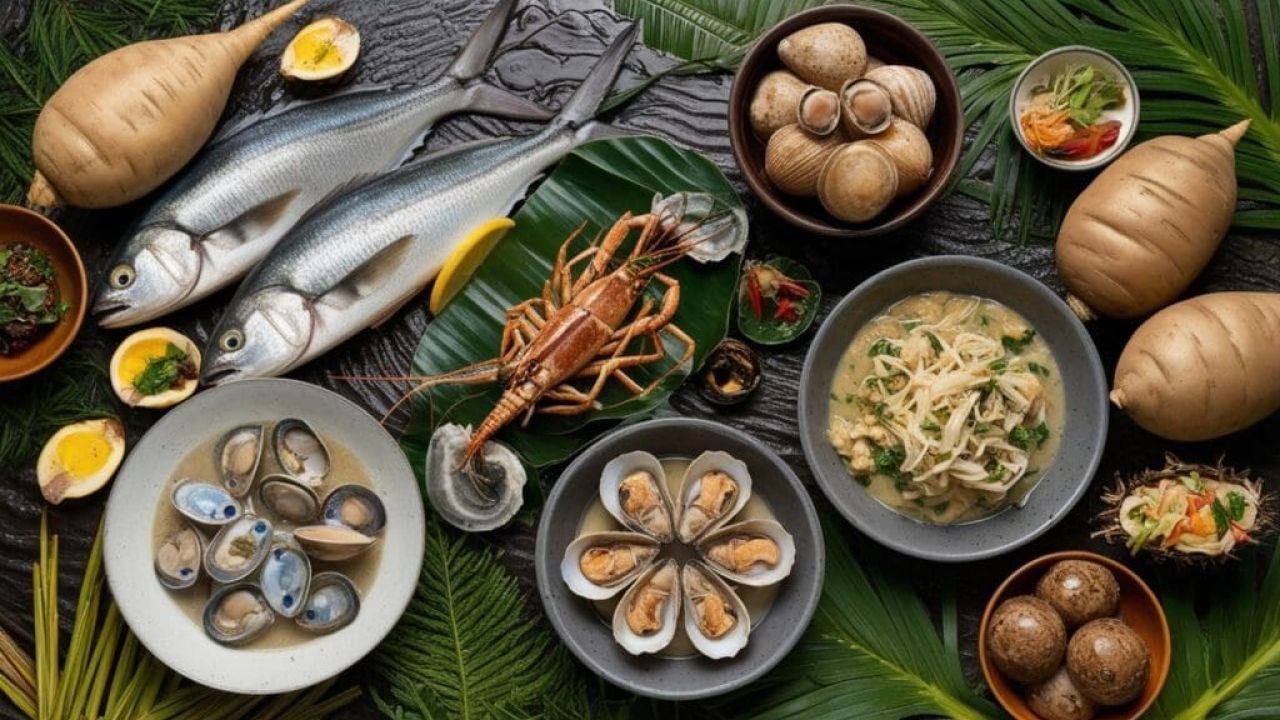
The revitalization of traditional Maori food and agriculture is not just a cultural renaissance; it's a powerful movement towards sustainable practices and economic growth. In New Zealand, where the Maori culture is integral to the national identity, this resurgence is creating ripples in the agricultural sector, offering lessons in sustainability, community engagement, and economic resilience.
Introduction
Imagine a future where traditional Maori crops like kumara and taro are staples in every Kiwi household, not just for their nutritional value but also for their cultural significance. This isn't a far-fetched idea but a growing reality as New Zealand embraces its indigenous roots. The traditional Maori food and agriculture movement is gaining momentum, promising not only to preserve cultural heritage but also to offer sustainable solutions to contemporary challenges in food security and environmental conservation.
Why does this matter? According to Stats NZ, agriculture contributes significantly to New Zealand's GDP, and with global trends shifting towards sustainable practices, integrating traditional agricultural methods could position New Zealand as a leader in sustainable agriculture. Moreover, the Ministry of Business, Innovation, and Employment (MBIE) highlights that the food and beverage sector is one of the top contributors to New Zealand's export economy, making this movement economically crucial.
What’s your take? Share your insights below!
Step-by-Step Guide: Reviving Traditional Maori Agriculture
1. Understanding the Cultural Significance
- Preservation of Heritage: Traditional Maori agriculture is deeply intertwined with cultural identity, involving practices that have been passed down through generations.
- Community Involvement: Engage local communities by incorporating traditional knowledge and practices, ensuring cultural continuity and community empowerment.
2. Adopting Sustainable Practices
- Environmental Stewardship: Traditional Maori farming emphasizes sustainability, including crop rotation, polyculture, and natural pest control.
- Resource Management: Techniques such as rainwater harvesting and natural fertilizers support environmental conservation.
3. Economic Integration
- Market Development: Promote traditional Maori foods in domestic and international markets, highlighting their unique cultural and nutritional value.
- Policy Support: Advocate for government policies that support indigenous agriculture, including subsidies and grants for sustainable farming initiatives.
Case Study & Real-World Example: Te Waka Kai Ora
Case Study: Te Waka Kai Ora – Reviving Maori Agriculture
Problem: Te Waka Kai Ora, a Maori organization, faced challenges in promoting traditional Maori food due to modern agricultural practices overshadowing traditional methods. The lack of awareness and economic incentives made it difficult for Maori farmers to sustain these practices.
Action: Te Waka Kai Ora launched a comprehensive strategy to promote traditional Maori agriculture. They focused on educating local communities about the benefits of traditional farming, forming partnerships with local businesses to market Maori foods, and advocating for policy changes to support indigenous agriculture.
Result: After two years, Te Waka Kai Ora achieved remarkable success:
- Sales of traditional Maori foods increased by 35%.
- Partnerships with supermarkets and restaurants grew by 50%.
- The initiative received government support, resulting in a 20% increase in funding for sustainable agriculture projects.
Takeaway: This case study illustrates how integrating traditional practices with modern market strategies can lead to sustainable growth. New Zealand businesses can leverage cultural heritage to enhance sustainability and economic resilience.
How It Works (Deep Dive)
1. Sustainable Practices in Maori Agriculture
Traditional Maori agriculture is characterized by its sustainable practices, such as:
- Polyculture: Growing multiple crops together to enhance biodiversity and soil health.
- Natural Pest Control: Using natural predators and organic methods to manage pests.
- Crop Rotation: Rotating crops to prevent soil depletion and maintain fertility.
2. Economic Impact and Opportunities
The integration of traditional Maori food into the mainstream market offers significant economic opportunities:
- Export Potential: With a growing global demand for sustainable and culturally unique products, traditional Maori foods have significant export potential.
- Job Creation: Reviving traditional agriculture can create jobs within local communities, particularly in rural areas.
3. Policy and Support Framework
For the successful revival of traditional Maori agriculture, supportive policies and frameworks are crucial:
- Government Incentives: Providing financial incentives and support for indigenous farming practices.
- Education and Training: Offering educational programs to teach traditional and sustainable farming methods.
Pros vs. Cons Analysis
✅ Pros:
- Sustainability: Traditional Maori agriculture promotes environmentally sustainable practices.
- Cultural Preservation: Revives and preserves Maori cultural heritage and practices.
- Economic Growth: Offers potential for increased market share and export opportunities.
❌ Cons:
- Initial Costs: Transitioning to traditional methods may require significant initial investment.
- Market Acceptance: Overcoming consumer preferences for modern agricultural products can be challenging.
- Regulatory Barriers: Navigating regulatory frameworks may pose challenges for traditional practices.
Common Myths & Mistakes
Myth vs. Reality
Myth: "Traditional Maori agriculture is outdated and not viable in modern markets."
Reality: In reality, traditional Maori agriculture is not only viable but offers sustainable and profitable solutions for modern markets, as evidenced by the growing demand for culturally unique and sustainable products (Source: MBIE).
Myth: "Sustainable farming is not economically feasible."
Reality: Sustainable farming practices, such as those used in traditional Maori agriculture, have proven to be economically viable, with successful case studies showing increased profitability and market reach.
Future Trends & Predictions
Looking ahead, the future of traditional Maori food and agriculture in New Zealand is promising. With increasing global awareness of sustainability and cultural preservation, traditional Maori agriculture is set to gain even more prominence. According to a report by Deloitte, the demand for sustainable and culturally significant products is expected to grow by 30% over the next five years, presenting substantial opportunities for Maori agriculture.
Conclusion
The revival of traditional Maori food and agriculture is more than a cultural movement; it's a sustainable solution with significant economic potential. By integrating traditional practices with modern market strategies, New Zealand can position itself as a leader in sustainable agriculture. Ready to explore this further? Join our exclusive NZ Sustainable Agriculture Newsletter for more insights!
People Also Ask (FAQ)
How does the revival of traditional Maori food impact New Zealand's economy?
The revival of traditional Maori food contributes to New Zealand's economy by creating jobs, increasing export potential, and promoting sustainable practices, aligning with the global demand for culturally unique and sustainable products.
What are the biggest misconceptions about traditional Maori agriculture?
One common myth is that traditional Maori agriculture is outdated. However, research shows it's a viable, sustainable practice with economic potential and cultural significance.
Related Search Queries
- Traditional Maori agriculture in New Zealand
- Sustainable farming practices in NZ
- Maori food and cultural heritage
- Economic impact of Maori agriculture
- Government policies on indigenous farming