






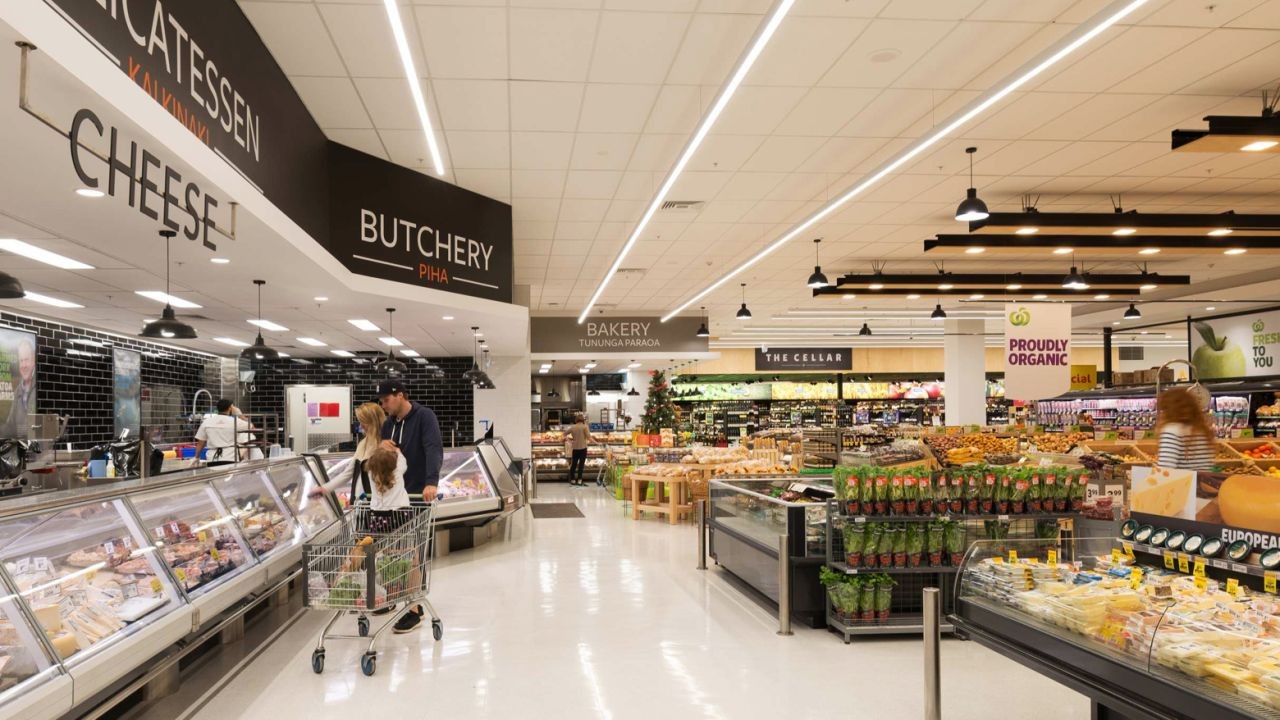
In recent years, the juxtaposition of rising supermarket profits and the financial struggles of everyday New Zealanders has become a pressing topic. While major supermarket chains in New Zealand continue to report impressive profits, many Kiwis are finding it increasingly difficult to afford basic necessities, such as bread. This dichotomy raises significant questions about the sustainability of current economic practices and the broader implications for society.
The Current Landscape: Supermarket Profits vs. Consumer Struggles
New Zealand's supermarket industry is dominated by a few major players, with the duopoly of Woolworths NZ and Foodstuffs controlling a substantial portion of the market. According to a report by the Commerce Commission, these supermarkets have consistently maintained high profit margins, which raises questions about competition and pricing practices. While these businesses flourish, Statistics New Zealand illustrates a different picture for consumers: food prices have risen by 4.7% in the past year alone, placing additional strain on household budgets.
Case Study: The Impact on Local Communities
Consider the town of Whanganui, where local residents have voiced concerns over escalating supermarket prices. A community survey revealed that over 60% of participants have cut back on essential groceries due to price hikes. Local food banks, such as the Whanganui Food Bank, have reported a 30% increase in demand, a clear indicator of the financial pressure on families.
Hidden Profits: An Industry Insight
One of the lesser-known aspects of supermarket profitability lies in their supply chain efficiencies. Supermarkets often exert considerable pressure on suppliers to reduce costs, which allows them to maintain high profit margins even as retail prices rise. This practice, while beneficial to the supermarkets' bottom line, can place significant financial strain on suppliers and contribute to the overall inflation of food prices.
Strategies for a More Sustainable Future
To address these issues, a multifaceted approach is needed, focusing on both policy reforms and consumer action.
- Policy Reform: The New Zealand government has been exploring measures to increase competition within the supermarket sector. By introducing regulations that encourage new entrants, there could be greater pressure on existing players to reduce prices.
- Consumer Empowerment: Kiwis can leverage collective buying power through co-operatives and community-supported agriculture, which can provide more affordable alternatives to traditional supermarkets.
- Supplier Support: Initiatives to support local suppliers, such as subsidies or grants, can help them negotiate better terms with supermarkets, potentially reducing the cost of goods for consumers.
Future Trends: Towards a Balanced Marketplace
Looking forward, the New Zealand supermarket landscape is poised for change. The increasing call for transparency and fair pricing practices, coupled with consumer demand for sustainability, suggests a shift towards more ethical business models. Furthermore, the integration of digital platforms and direct-to-consumer channels may provide consumers with more options and better pricing.
Common Myths and Misconceptions
There are several misconceptions about supermarket pricing and profits:
- Myth: Supermarket prices are solely determined by supply and demand. Reality: Pricing is often influenced by agreements with suppliers and competitive strategies, not just market forces.
- Myth: All price increases are due to external economic factors. Reality: Internal policies and profit margin strategies also play a significant role in pricing.
Conclusion: Collaborative Efforts for a Sustainable Future
In conclusion, while supermarkets in New Zealand continue to thrive, the financial hardships faced by many Kiwis highlight the need for change. Through a combination of policy reforms, consumer empowerment, and support for local suppliers, there is potential to create a more equitable and sustainable marketplace. As consumers, suppliers, and policymakers work together, there is hope for a future where access to affordable food becomes a reality for all New Zealanders.
What are your thoughts on this issue? Share your insights and let's discuss potential solutions!
People Also Ask (FAQ)
- How does supermarket pricing affect New Zealanders?Supermarket pricing affects New Zealanders by influencing the cost of living. Rising prices can lead to reduced purchasing power and increased financial strain for households.
- What are the biggest misconceptions about supermarket profits?One common myth is that supermarket profits are minimal due to competition. However, reports show that profit margins remain high due to strategic supply chain management.
Related Search Queries
- New Zealand supermarket competition
- Food prices in New Zealand 2023
- Sustainable shopping in NZ
- NZ government supermarket regulation
- Local food suppliers NZ