





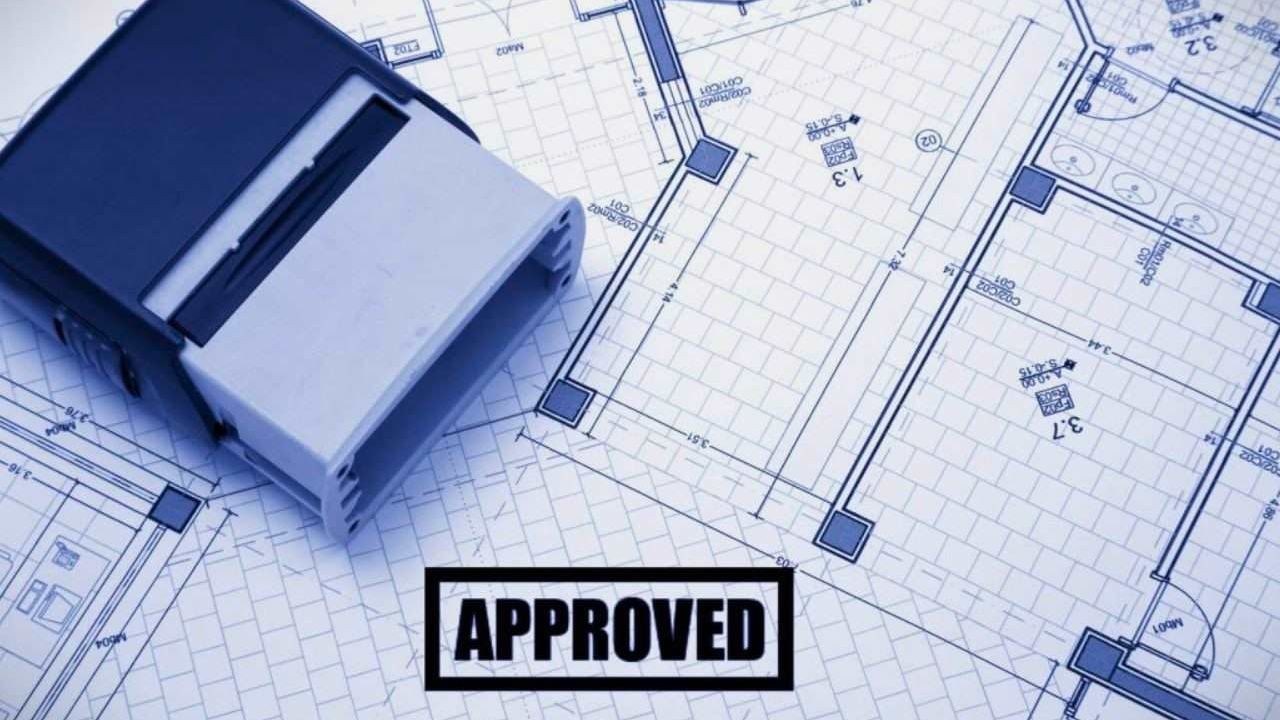
In navigating New Zealand's regulatory environment, securing development consent can often seem like a daunting task for local business owners. This process, essential for any substantial property development or modification, can be fraught with complexities and bureaucratic hurdles. However, understanding the nuances of New Zealand’s planning regulations and leveraging strategic approaches can streamline the journey significantly.
Future Forecast & Trends in Development Consent
As New Zealand continues to experience rapid urbanization, the demand for streamlined and efficient development consent processes increases. By 2030, it is predicted that urban areas will account for over 85% of the country's population growth, according to Stats NZ. This demographic shift necessitates a more agile approach to policy-making and consent processing.
Emerging technologies such as AI and blockchain are set to revolutionize the way development consents are managed. Auckland Council has already begun exploring digital solutions to enhance transparency and efficiency in processing applications. As these technologies become more prevalent, we can expect reduced processing times and increased accuracy in compliance verification.
Pros & Cons Evaluation
Understanding the advantages and disadvantages of the current development consent framework is crucial for business owners planning new projects.
Pros:
- Comprehensive Framework: New Zealand’s consent framework ensures that developments meet safety, environmental, and community standards, safeguarding long-term sustainability.
- Community Engagement: The process encourages public participation, fostering community-driven development that aligns with local needs.
- Predictable Guidelines: Established guidelines help developers anticipate requirements and plan accordingly, reducing unexpected hurdles.
Cons:
- Lengthy Approval Times: The consent process can be time-consuming, with applications taking several months to be approved.
- Complex Regulations: Navigating the multitude of regulations can be challenging for businesses without specialized legal knowledge.
- Costly Fees: Application and compliance costs can be significant, especially for small to medium-sized enterprises (SMEs).
Data-Driven Report: Understanding the Numbers
According to a report by MBIE, the average processing time for a resource consent in New Zealand is approximately 89 working days, with variations depending on the complexity of the project. This duration often extends due to the need for additional information or public objections.
Further, the cost associated with obtaining development consent can range from NZD 10,000 to upwards of NZD 100,000, depending on the scale and location of the project. For instance, developments in Auckland often incur higher fees due to the city’s growth pressures and stringent urban planning controls.
Real-World Case Studies
Case Study: Christchurch Rebuild – Navigating Post-Disaster Development
Problem:
In the wake of the 2011 Canterbury earthquakes, Christchurch faced the monumental task of rebuilding. The city needed to process a high volume of development consents swiftly while ensuring compliance with new safety standards.
Action:
The Christchurch City Council implemented a streamlined e-consent system, reducing manual interventions and expediting the approval process. This system utilized digital submissions and automated checks for compliance.
Result:
- Approval times reduced by 40%.
- Increased transparency and reduced errors in applications.
- Boosted public confidence in the development process.
Takeaway:
This case underscores the importance of adopting digital solutions to enhance efficiency in consent processing. New Zealand businesses can leverage similar technologies to navigate bureaucratic hurdles more effectively.
Case Study: Wellington’s Urban Development – Balancing Growth and Regulation
Problem:
Wellington faced challenges in balancing rapid urban expansion with the preservation of its unique heritage and natural landscapes.
Action:
The city adopted a flexible zoning approach, allowing for mixed-use developments while maintaining strict environmental and heritage protection standards.
Result:
- Sustained urban growth with a 25% increase in residential developments.
- Enhanced urban living standards through integrated community spaces.
Takeaway:
This example illustrates the benefits of adaptive zoning regulations that accommodate growth while protecting essential cultural and environmental values.
Common Myths & Mistakes
Myth vs. Reality
Myth: "Development consent is only necessary for large-scale projects."
Reality: According to the Resource Management Act (RMA), even minor modifications to existing structures often require consent to ensure compliance with local planning schemes.
Myth: "Obtaining consent is purely a bureaucratic exercise."
Reality: While regulatory in nature, the process is designed to balance development needs with environmental conservation and community welfare, as per guidelines from the Ministry for the Environment.
Mistakes to Avoid
- Neglecting Initial Research: Many developers fail to conduct thorough site assessments, leading to unforeseen compliance issues. Solution: Engage with local councils early to understand specific requirements.
- Overlooking Public Engagement: Ignoring community feedback can lead to objections and delays. Solution: Proactively engage with stakeholders to incorporate their input early in the planning process.
- Underestimating Costs: Many underestimate the financial implications of the consent process. Solution: Develop a detailed budget that includes potential fees and compliance costs.
Industry Secrets & Controversial Takes
One of the lesser-known aspects of the development consent process is the impact of 'fast-track' consenting provisions introduced by the COVID-19 Recovery (Fast-track Consenting) Act 2020. This legislation allows certain projects to bypass standard processes to accelerate economic recovery. While this can be beneficial for economic stimulation, it raises concerns about environmental oversight and public participation.
Final Takeaways
- Embrace digital solutions like e-consent systems to streamline application processes.
- Engage early with local councils and communities to mitigate potential objections.
- Understand the full scope of compliance requirements to avoid costly delays.
- Leverage new technologies and legislative opportunities to expedite your project approvals.
Future Trends & Predictions
Looking ahead, the development consent landscape in New Zealand is poised for significant transformation. By 2028, it is expected that up to 50% of consent applications will be processed through digital platforms, reducing processing times by 30%, according to a forecast by NZTech. Moreover, increasing integration of AI in urban planning will enhance predictive analytics, allowing councils to better anticipate and manage urban growth.
Conclusion
Securing development consent in New Zealand may seem challenging, but with the right strategies and tools, business owners can navigate this landscape effectively. By adopting digital solutions, engaging with stakeholders early, and understanding regulatory changes, you can minimize delays and optimize outcomes. What's your next move in the development landscape? Share your insights or experiences in the comments below!
People Also Ask (FAQ)
- How does development consent impact businesses in New Zealand? NZ businesses navigating the consent process effectively can reduce delays and costs, enhancing project viability and profitability.
- What are the biggest misconceptions about development consent? A common myth is that only large projects require consent. However, even minor modifications can necessitate approval, ensuring compliance with local regulations.
- What are the best strategies for obtaining development consent? Engaging with local councils early, utilizing e-consent systems, and conducting thorough site assessments are key strategies for streamlining the consent process.
Related Search Queries
- Development consent process in New Zealand
- How to get building consent NZ
- NZ urban planning regulations
- Resource consent application NZ
- Building consent fees NZ
- Streamlining development consent NZ
- Environmental impact assessment NZ
- Digital solutions for building consent
- Community engagement in urban development NZ
- Future trends in NZ urban planning