




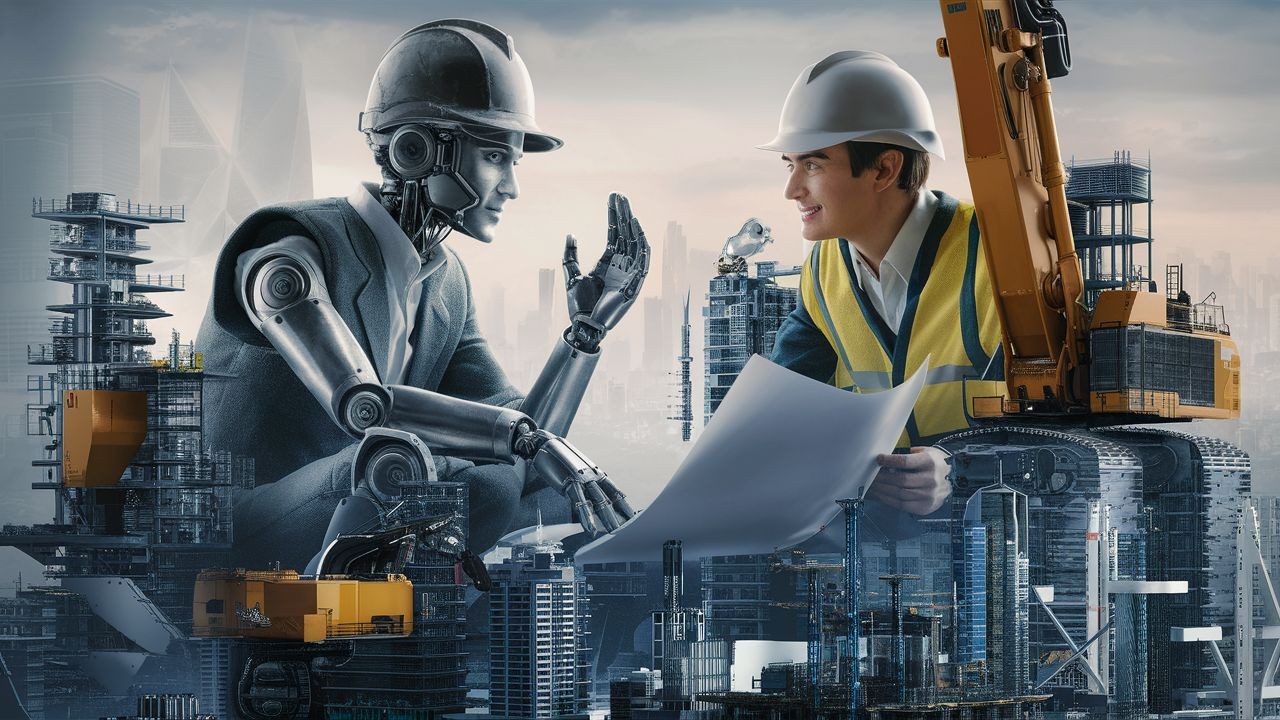
In the dynamic world of construction, the advent of AI-driven technologies is poised to revolutionize how we build, challenging traditional methods and potentially sidelining established players. But will AI-driven construction truly replace traditional builders, or is this a misconception? Let's delve into this topic, focusing on the Australian context, to examine the potential, limitations, and impacts on the local industry.
How AI is Transforming the Construction Industry
AI in construction is more than just a futuristic concept; it's already reshaping the industry. The integration of AI technologies promises efficiency, precision, and cost-saving benefits. Here’s how AI is impacting construction:
- Predictive Analytics: AI systems analyze vast data sets to predict project risks and optimize resource allocation, significantly reducing delays and cost overruns.
- Automation: From bricklaying robots to drones for site inspections, automation enhances productivity and safety, minimizing human error.
- Design Optimization: AI-driven software can generate thousands of design options, optimizing for sustainability, cost, and efficiency.
Case Study: The Role of AI in Australian Construction
Australia has seen significant AI adoption in construction, particularly with companies like Laing O'Rourke leveraging AI for predictive maintenance and project management. The company's Sydney Metro project utilized AI to enhance project timelines and safety protocols, leading to a 20% reduction in project delays and a significant improvement in worker safety conditions.
Pros and Cons of AI in Construction
✅ Pros:
- Increased Efficiency: AI-driven tools streamline processes, reducing time and resource wastage.
- Cost Savings: By optimizing resources and reducing errors, AI can lower overall project costs.
- Enhanced Safety: AI technologies mitigate risk by identifying hazards before they occur.
- Precision: AI ensures precision in construction processes, leading to higher quality outcomes.
❌ Cons:
- High Initial Investment: Implementing AI technologies requires substantial upfront costs.
- Job Displacement: The rise of automation may lead to job losses in traditional roles.
- Technological Dependence: Over-reliance on AI could lead to vulnerabilities if systems fail.
- Ethical Concerns: Data privacy and ethical use of AI remain significant challenges.
Debate: Will AI Replace Traditional Builders?
While AI offers numerous advantages, the idea of it completely replacing traditional builders is contentious. Here's a breakdown of the debate:
Advocate Perspective
Proponents argue that AI-driven construction enhances efficiency and safety, allowing for smarter resource management and reduced labor costs. According to a Deloitte report, AI can increase construction productivity by up to 30%.
Critic Perspective
Critics caution that AI lacks the creative and adaptive skills of human builders. They emphasize the importance of human oversight and expertise in managing complex, dynamic building environments.
Middle Ground
The most viable approach may be a hybrid model where AI supports traditional builders, augmenting their capabilities rather than replacing them. This synergy could lead to more innovative and efficient construction practices.
Common Myths About AI in Construction
- Myth: AI will completely replace human workers. Reality: AI is more likely to augment human roles, enabling workers to focus on higher-level tasks and decision-making.
- Myth: AI implementation is too costly for most firms. Reality: While initial costs are high, long-term savings and efficiencies often outweigh these expenses.
- Myth: AI can solve all construction problems. Reality: AI is a tool that, when used correctly, enhances construction processes but isn't a panacea for all challenges.
Future Trends and Predictions
The future of AI in construction looks promising, with the potential for widespread adoption across Australia. The Australian Bureau of Statistics predicts a 15% annual increase in AI investments within the construction sector over the next decade. As technology advances, we can expect AI to play an even more integral role in driving innovation and efficiency.
Conclusion
AI-driven construction represents a significant shift in the industry, offering benefits that cannot be ignored. While traditional builders may not be entirely replaced, the integration of AI is inevitable and necessary for progress. The future lies in a collaborative approach where AI enhances human capabilities, leading to more efficient, safe, and sustainable construction practices.
What’s your take on AI in construction? Share your insights and experiences in the comments below!
Related Search Queries
- AI in construction industry in Australia
- Impact of AI on traditional builders
- Future of AI technology in construction
- AI and automation in building projects
- Cost benefits of AI in construction