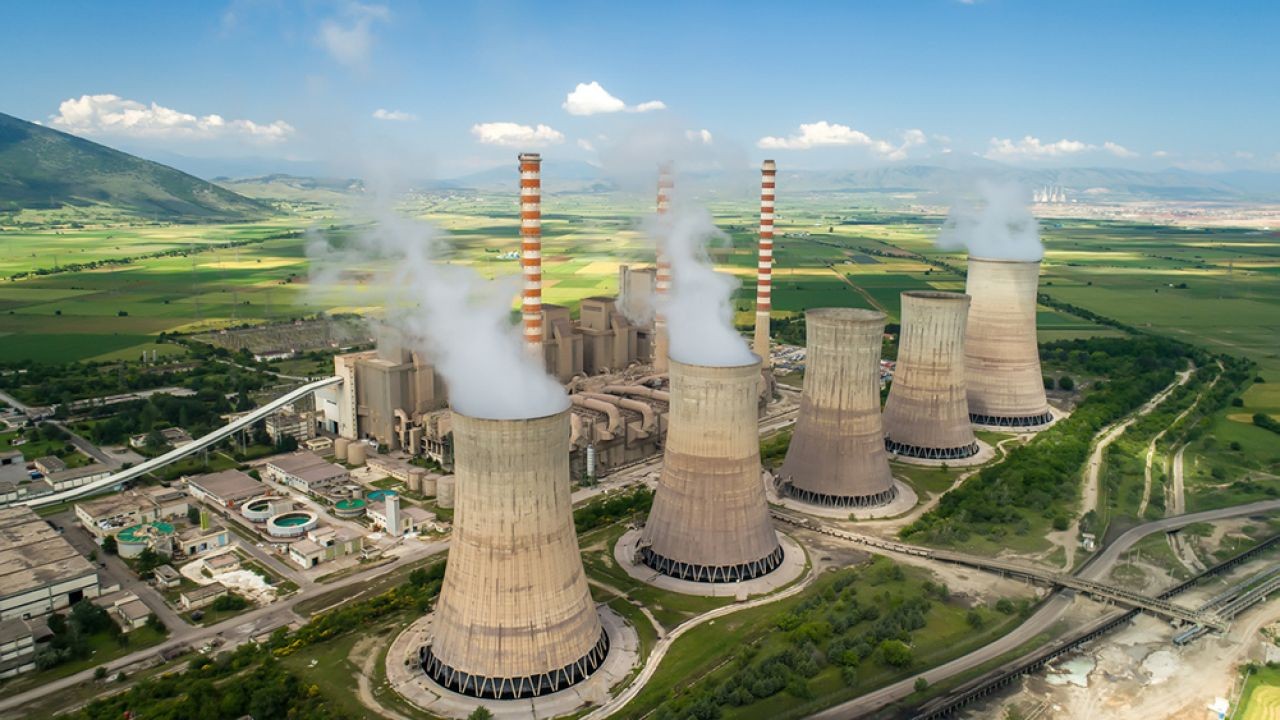






In the complex landscape of New Zealand's energy sector, the recent warnings from Energy Minister Simon Watts about potential outages and business closures highlight a significant challenge for the property development industry. This topic is critical, as the stability of energy supply is a cornerstone for economic growth and property development. With New Zealand's transition toward renewable energy amidst a backdrop of global energy crises, understanding these risks and their implications is essential for stakeholders in the real estate and property development sectors.
Understanding the Current Energy Landscape in New Zealand
New Zealand's energy sector is undergoing a transformative phase characterized by an increasing shift towards renewable energy sources. According to the Ministry of Business, Innovation, and Employment (MBIE), renewable energy sources accounted for 84% of the country's electricity generation in 2022. However, this transition is not without its challenges. The recent warnings from Energy Minister Simon Watts underscore the potential risks of energy shortages and the subsequent impact on businesses if these challenges are not addressed promptly.
Comparative Analysis: New Zealand vs. Global Energy Trends
Globally, countries are grappling with energy supply challenges, with Europe’s recent gas supply issues serving as a cautionary tale. In comparison, New Zealand's heavy reliance on hydroelectric power presents its own set of vulnerabilities, particularly during dry years. The International Energy Agency (IEA) noted that while renewable energy is a sustainable solution, the transition phase can lead to temporary supply disruptions if not managed with robust infrastructure investments.
Impact on the Property Development Sector
For property developers, energy stability is crucial. Unpredictable energy supply can lead to delays in construction projects, increased operational costs, and potential reputational damage. The New Zealand Property Investors’ Federation emphasizes the importance of integrating sustainable energy solutions in new developments to mitigate these risks. Additionally, developers are encouraged to invest in energy-efficient technologies to ensure long-term sustainability and cost-effectiveness.
Case Study: The Auckland Energy Crisis of 2021
Problem: In 2021, Auckland faced a significant energy crisis due to a combination of high demand and infrastructure limitations. The crisis led to rolling blackouts that affected both residential and commercial sectors, including ongoing construction projects.
Action: In response, Auckland City Council collaborated with energy providers to accelerate grid upgrades and promote energy-efficient practices among businesses.
Result: Within a year, these efforts led to a 20% reduction in energy consumption across the city and improved grid reliability, as reported by the Auckland Energy Efficiency and Conservation Authority.
Takeaway: This case highlights the critical need for proactive energy management strategies within urban development plans. For property developers, embedding energy resilience in project planning is not just beneficial but necessary to withstand future energy challenges.
Expert Insights: Navigating Energy Challenges
According to Dr. Anna Brown, a leading energy economist at the University of Auckland, the key to overcoming these challenges lies in diversification. "New Zealand must diversify its energy sources to include a mix of solar, wind, and bioenergy alongside hydroelectric power. This will provide a buffer against supply disruptions," she states. Additionally, she advocates for increased investment in energy storage technologies, which can provide a reliable backup during peak demand periods.
Debunking Common Energy Myths
- Myth: "Renewable energy is unreliable." Reality: While intermittent, advancements in storage technology make renewable energy a viable and reliable option for New Zealand's energy grid (Source: MBIE).
- Myth: "Energy efficiency is costly." Reality: Initial investments in energy-efficient systems can lead to significant cost savings in the long run through reduced energy bills (Source: NZ Energy Efficiency and Conservation Authority).
Pros and Cons of Current Energy Solutions
Pros:
- Environmental Benefits: Renewable energy reduces carbon emissions, aligning with New Zealand’s commitment to a zero-carbon future.
- Energy Independence: Diversified energy sources reduce reliance on imported fuels, enhancing energy security.
Cons:
- Infrastructure Costs: Upgrading to renewable energy systems requires significant upfront investment.
- Transition Challenges: The shift to renewable energy can lead to temporary supply instability if not managed carefully.
Strategies for Property Developers
For property developers, incorporating energy resilience into project planning is crucial. Here are some strategies:
- Invest in Renewable Energy: Utilize solar panels and wind turbines to power developments, reducing reliance on the grid.
- Energy-Efficient Design: Implement building designs that maximize natural light and ventilation, reducing energy consumption.
- Partnerships with Energy Providers: Collaborate with local energy companies to ensure reliable supply and explore innovative energy solutions.
Future Trends and Predictions
The future of New Zealand’s energy sector lies in smart grid technologies and decentralized energy systems. According to a report by Deloitte, by 2030, 50% of New Zealand's energy could be generated through decentralized sources like rooftop solar and community wind farms. This shift will not only improve grid resilience but also empower local communities by reducing energy costs.
Conclusion
As New Zealand navigates the complexities of its energy transition, property developers must proactively integrate energy resilience into their projects. By embracing renewable energy solutions and fostering partnerships with energy providers, developers can mitigate risks and contribute to a sustainable future. What strategies are you implementing to ensure energy resilience in your developments? Share your insights below!
People Also Ask
- How does energy stability impact the property development sector in New Zealand?Energy stability is crucial for property development as it affects construction timelines and operational costs. Unstable energy supply can lead to delays and increased expenses.
- What are the biggest misconceptions about renewable energy?One common myth is that renewable energy is unreliable. However, advancements in storage technologies have made it a viable option for ensuring energy stability.
Related Search Queries
- New Zealand energy sector challenges
- Renewable energy solutions for property developers
- Impact of energy outages on New Zealand businesses
- Future trends in New Zealand’s energy market
- How to integrate energy efficiency in property development