



Renovating a home is often seen as a surefire way to increase its value and appeal, but not all renovations are created equal. In Australia, certain home improvements can actually detract from property value, a notion that many homeowners find surprising. Understanding which renovations to avoid is crucial, especially considering the Australian real estate market's unique challenges and opportunities.
1. Overly Customized Design
While personalizing your home might seem appealing, overly customized designs can alienate potential buyers.
- Pros: Reflects personal style and can enhance living experience.
- Cons: Reduces market appeal, as not all buyers share the same taste.
According to CoreLogic, homes with neutral and broadly appealing designs tend to sell faster and at higher prices. In Australia’s diverse housing market, a generic design approach is often more financially rewarding.
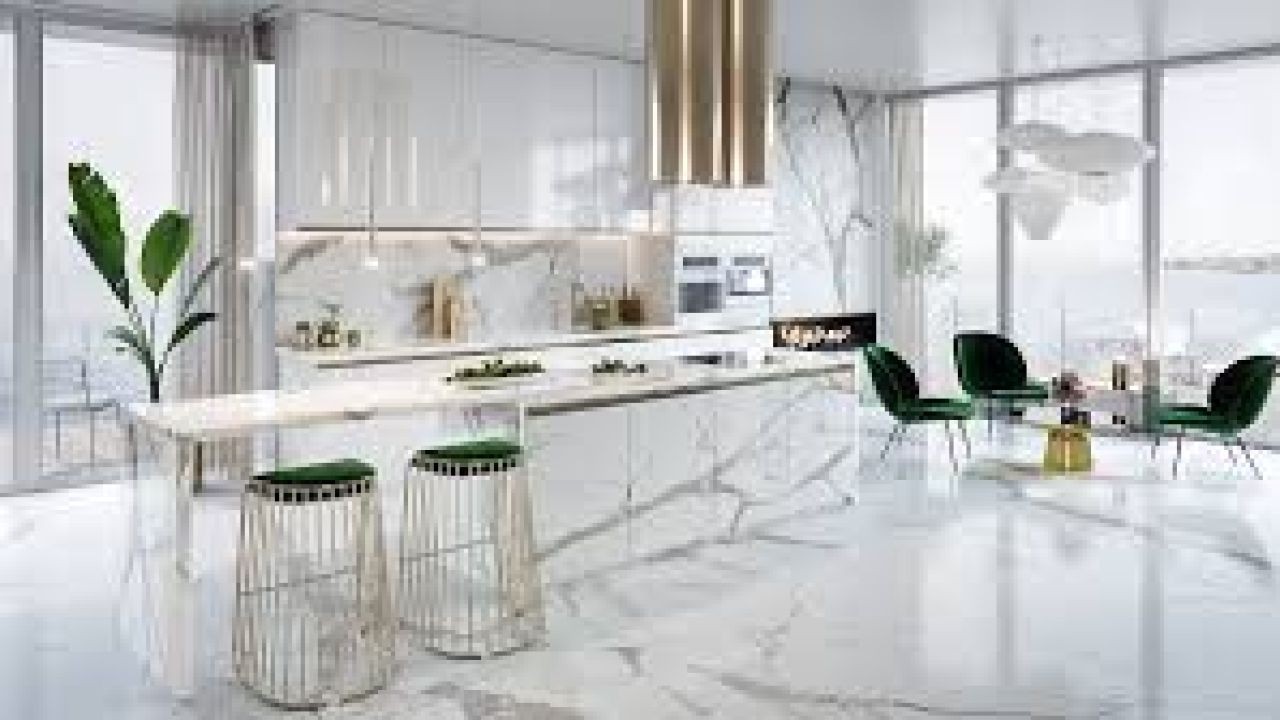
2. High-end Kitchen Remodels
While a modern kitchen is desirable, excessive spending on high-end appliances and finishes often fails to yield a comparable return on investment.
- Pros: Can significantly enhance functionality and aesthetics.
- Cons: High costs are rarely recouped in the sale price.
The Australian Bureau of Statistics (ABS) indicates that mid-range kitchen remodels deliver a better ROI compared to high-end overhauls, with a 70% cost recoup on average.
3. Luxurious Bathroom Upgrades
Similar to kitchens, spending excessively on luxury bathroom renovations can often outweigh the financial return.
- Pros: Enhances personal comfort and luxury.
- Cons: High costs with limited buyer appeal for extravagant features.
A report by the Housing Industry Association (HIA) found that upscale bathroom renovations often return less than 50% of their cost in increased home value.
4. Swimming Pools
While a swimming pool might seem like an attractive feature, it often deters potential buyers due to the maintenance and safety concerns associated with it.
- Pros: Great for personal enjoyment and leisure.
- Cons: High maintenance costs and potential safety liabilities.
Data from the Real Estate Institute of Australia (REIA) suggests that homes with pools are slower to sell, especially in cooler climates like Tasmania and Victoria.
5. Converting a Garage into Living Space
Transforming a garage into a living area might seem wise, especially in urban areas, but it often reduces the property's overall appeal.
- Pros: Increases interior living space.
- Cons: Loss of secure parking, which is a significant drawback for many buyers.
The ACCC notes that homes without garages in urban Australian areas tend to sell for 20% less than similar properties with garages.
Case Study: Sydney Homeowner’s Renovation Dilemma
Problem: A Sydney homeowner invested heavily in a customized kitchen and luxury bathroom, expecting high returns upon sale.
- The property's unique style limited its appeal, resulting in prolonged time on the market.
Action: Real estate advice led to a neutral redesign, reducing customization.
- Adopted mid-range finishes, aligning with broader buyer preferences.
Result: The home sold within a month at a 10% higher price than initially expected.
- Highlights the importance of understanding market trends and buyer expectations.
Common Myths About Home Renovations
- Myth: "Any renovation increases home value." Reality: Poorly planned renovations can decrease home value, as seen in costly, non-universal upgrades.
- Myth: "Swimming pools always add value." Reality: They often deter buyers due to maintenance costs and safety concerns, particularly in cooler regions.
- Myth: "High-end finishes offer the best return." Reality: Mid-range upgrades often deliver better ROI by appealing to a wider audience.
Biggest Mistakes to Avoid in Home Renovations
- Ignoring Market Trends: Not all features are desirable in every market; research is essential.
- Over-customization: Personal tastes can limit buyer interest and reduce sale prospects.
- Neglecting Practicality: Features like garages and neutral decor often hold more value.
Future Trends in Australian Home Renovations
As the Australian real estate market evolves, sustainability and smart technology are becoming increasingly important. By 2028, it is anticipated that eco-friendly renovations will be a major selling point, with 50% of homebuyers prioritizing energy-efficient features (Source: CSIRO).
Conclusion
Understanding which home renovations can reduce property value is crucial in Australia's dynamic real estate market. By focusing on universally appealing changes and practical upgrades, homeowners can enhance their ROI while ensuring their property remains competitive.
What are your thoughts on these insights? Share your experiences below!
People Also Ask
- How does a swimming pool impact property value in Australia? While popular in some areas, pools can deter buyers due to maintenance and safety concerns, especially in colder regions like Tasmania.
- What are the best renovations for ROI in Australia? Mid-range kitchen and bathroom upgrades, along with energy-efficient improvements, typically offer the best return on investment.
- Why might a customized design reduce property value? Highly personalized designs can limit buyer appeal, reducing the pool of interested parties and potentially lowering sale prices.
Related Search Queries
- Home renovation mistakes to avoid
- Best ROI home improvements Australia
- How to increase property value Australia
- Worst home renovations for resale
- Australian real estate market trends
- High ROI renovations 2024
- Eco-friendly home improvements AU
- Impact of swimming pools on home value
- Garage conversions in urban Australia
- Luxury renovation pitfalls