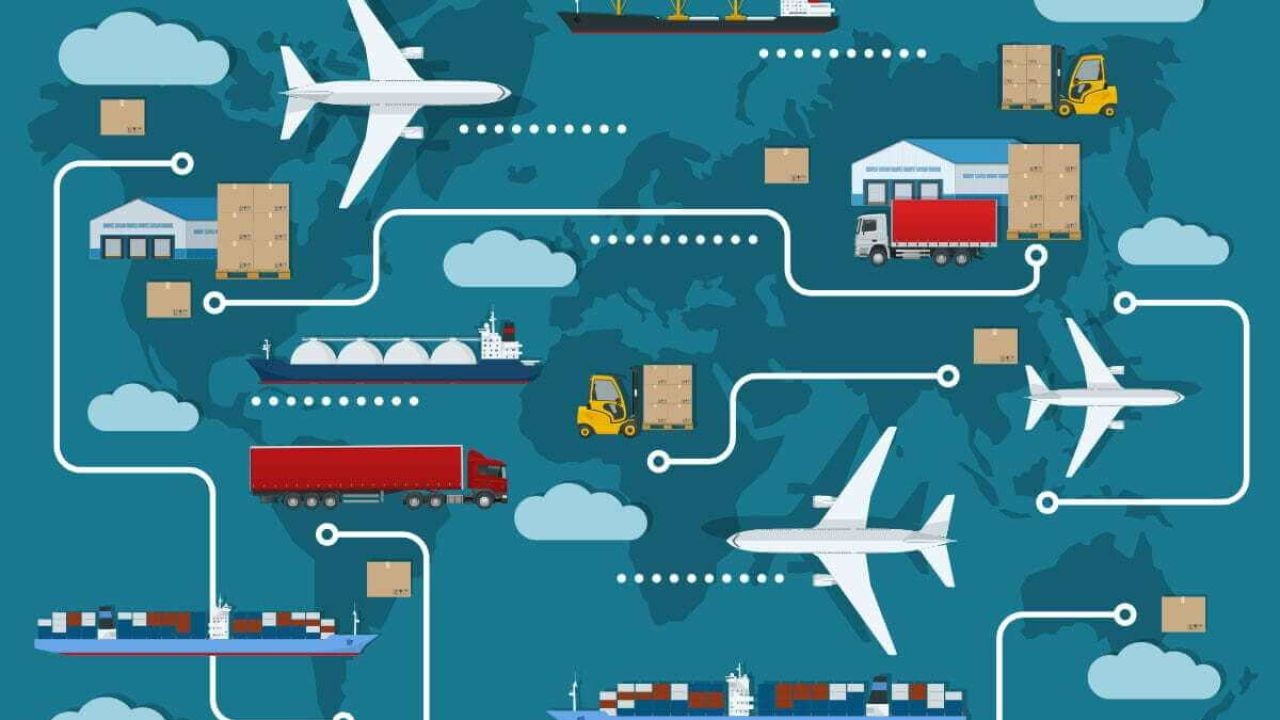







New Zealand, often celebrated for its breathtaking landscapes and vibrant culture, occupies a unique position in the global trade arena. As a small economy, it must navigate the complexities of international commerce with strategic acumen. This analysis will delve into how New Zealand compares to other small economies in terms of global trade, offering insights and actionable recommendations for management consultants and decision-makers.
Understanding New Zealand's Trade Landscape
New Zealand's trade strategy is heavily influenced by its geographical isolation and reliance on primary industries. According to Stats NZ, the country's exports are dominated by agriculture, with dairy products, meat, and wine leading the pack. This reliance on agriculture makes New Zealand susceptible to global market fluctuations, highlighting the need for diversification.
- Agricultural Focus: With over 70% of exports derived from primary industries, New Zealand's economic stability is closely tied to global commodity prices.
- Trade Agreements: As a member of the Comprehensive and Progressive Agreement for Trans-Pacific Partnership (CPTPP), New Zealand benefits from reduced tariffs, enhancing its competitive edge in international markets.
- Export Markets: China, Australia, and the United States are among the top destinations for New Zealand's exports, underscoring the importance of maintaining robust trade relations.
Comparative Analysis: New Zealand vs. Other Small Economies
When comparing New Zealand's trade position to other small economies, several key factors emerge:
1. Diversification and Innovation
- Singapore: Unlike New Zealand, Singapore has successfully diversified its economy beyond traditional sectors, investing heavily in technology and financial services.
- Ireland: Known for its thriving tech industry, Ireland attracts significant foreign direct investment (FDI) due to favorable tax policies, a strategy New Zealand could emulate to diversify its own economic base.
2. Trade Dependencies
- Iceland: Similar to New Zealand, Iceland relies on a narrow range of exports but has mitigated risks through renewable energy investments.
- Switzerland: With a strong manufacturing sector, Switzerland's economy is less vulnerable to agricultural price swings, a model New Zealand could consider by fostering high-value manufacturing.
3. Economic Resilience
- Luxembourg: Despite its small size, Luxembourg has built a robust financial sector, making it less susceptible to external shocks compared to New Zealand's agriculture-driven economy.
- Finland: By investing in education and technology, Finland has created a resilient economy that can adapt to global changes, a strategy that could enhance New Zealand's economic stability.
Real-World Case Studies
Case Study: Ireland's Tech Boom
Problem: In the early 2000s, Ireland faced high unemployment and a stagnant economy.
- To stimulate growth, Ireland needed to attract foreign investment and diversify its economic activities.
Action: Ireland reformed its tax policies, reducing corporate tax rates to attract multinational tech companies.
- It invested in education and infrastructure to support the tech industry's growth.
Result: Over a decade, Ireland emerged as a European tech hub, hosting companies like Google and Facebook.
- Unemployment dropped significantly, and the tech sector became a major contributor to GDP.
Takeaway: New Zealand could replicate this success by creating a favorable business environment for tech startups, diversifying its economy and reducing reliance on agriculture.
Data-Driven Insights and Strategic Recommendations
1. Diversification Imperative
- Stats NZ reports that in 2023, New Zealand's agricultural exports accounted for 50% of its GDP. Diversifying into tech and manufacturing could reduce vulnerability to global commodity price fluctuations.
2. Enhancing Trade Relationships
- Leverage existing trade agreements, like CPTPP, to expand into emerging markets in Asia and Latin America, reducing dependency on traditional markets.
3. Investing in Innovation
- Encourage government and private sector investments in R&D, particularly in sustainable technologies and renewable energy, to create new export opportunities.
Common Myths and Misconceptions
- Myth: "New Zealand can only thrive through agriculture." Reality: While agriculture is vital, diversification into tech and services is crucial for sustainable growth (Source: MBIE).
- Myth: "Small economies can't influence global trade." Reality: Strategic trade agreements and innovation can enhance influence, as seen with Singapore and Ireland.
Pros and Cons of New Zealand's Trade Strategy
Pros:
- Strong Agricultural Base: Provides a stable export foundation.
- Access to Key Markets: Trade agreements open doors to significant markets.
- High-Quality Products: New Zealand's products are renowned for quality, enhancing brand reputation.
Cons:
- Limited Diversification: Heavy reliance on agriculture increases vulnerability.
- Geographical Isolation: Increases shipping costs and reduces competitiveness.
- Resource Constraints: Small population limits domestic market size.
Future Trends and Predictions
According to a Deloitte report, by 2030, New Zealand is expected to see a significant shift towards digital exports, with technology and services playing a more prominent role in trade. This shift will require strategic investments in education and infrastructure to support a knowledge-based economy.
Conclusion: Strategizing for a Resilient Future
New Zealand's global trade position, while strong in agriculture, can be further enhanced by embracing diversification and innovation. By learning from other small economies like Ireland and Singapore, New Zealand can strengthen its economic resilience and create new growth opportunities.
Management consultants and decision-makers in New Zealand should focus on fostering a conducive environment for tech startups, leveraging trade agreements, and investing in sustainable industries. By doing so, they can ensure New Zealand remains competitive on the global stage.
What’s your perspective on New Zealand’s trade strategy? Share your insights and join the discussion!
Related Search Queries
- New Zealand trade agreements
- New Zealand export diversification
- Global trade strategies for small economies
- New Zealand tech industry growth
- Impact of CPTPP on New Zealand
People Also Ask
How does New Zealand's trade strategy impact its economy?
New Zealand's trade strategy, focused on agriculture and key markets, significantly contributes to GDP but requires diversification to enhance resilience (Source: MBIE).
What are the biggest misconceptions about New Zealand's trade position?
One common myth is that New Zealand can only thrive through agriculture. However, diversification into tech and services is crucial for sustainable growth (Source: MBIE).