




In recent years, the rise of veganism has sparked a heated debate about whether a plant-based diet can truly meet all nutritional needs. As a local business owner in New Zealand's dynamic food industry, understanding this debate is crucial—not just for personal health, but also for market opportunities. With New Zealand's high rate of lifestyle-related diseases and the global shift towards sustainable living, this topic holds significant weight. The New Zealand Ministry of Health's data indicates that 32% of New Zealanders are obese, highlighting the need for healthier dietary options. But can vegan diets offer a solution without compromising nutritional completeness?
Case Study: The Vegan Boom in New Zealand
To illustrate the potential of vegan diets, let's examine the case of Little Bird Organics, a successful New Zealand business that has capitalized on the vegan trend. Founded in Auckland, Little Bird Organics started as a small café offering raw vegan treats and has since expanded into a renowned brand. Their growth reflects a broader trend: a 10% annual increase in plant-based product sales across New Zealand, as reported by Nielsen in 2022.
Problem: Little Bird Organics faced the challenge of convincing a predominantly meat-eating population to embrace vegan foods.
Action: They focused on educating consumers about the health benefits of vegan diets while ensuring their products were both delicious and nutritionally balanced. Collaborating with nutritionists, they formulated recipes rich in essential nutrients often lacking in vegan diets, such as Vitamin B12, iron, and omega-3 fatty acids.
Result: The outcome was a significant increase in customer loyalty and a 35% rise in sales within two years. Little Bird Organics' success underscores the feasibility of vegan diets in New Zealand when approached with nutritional mindfulness.
How Vegan Diets Work: A Deep Dive
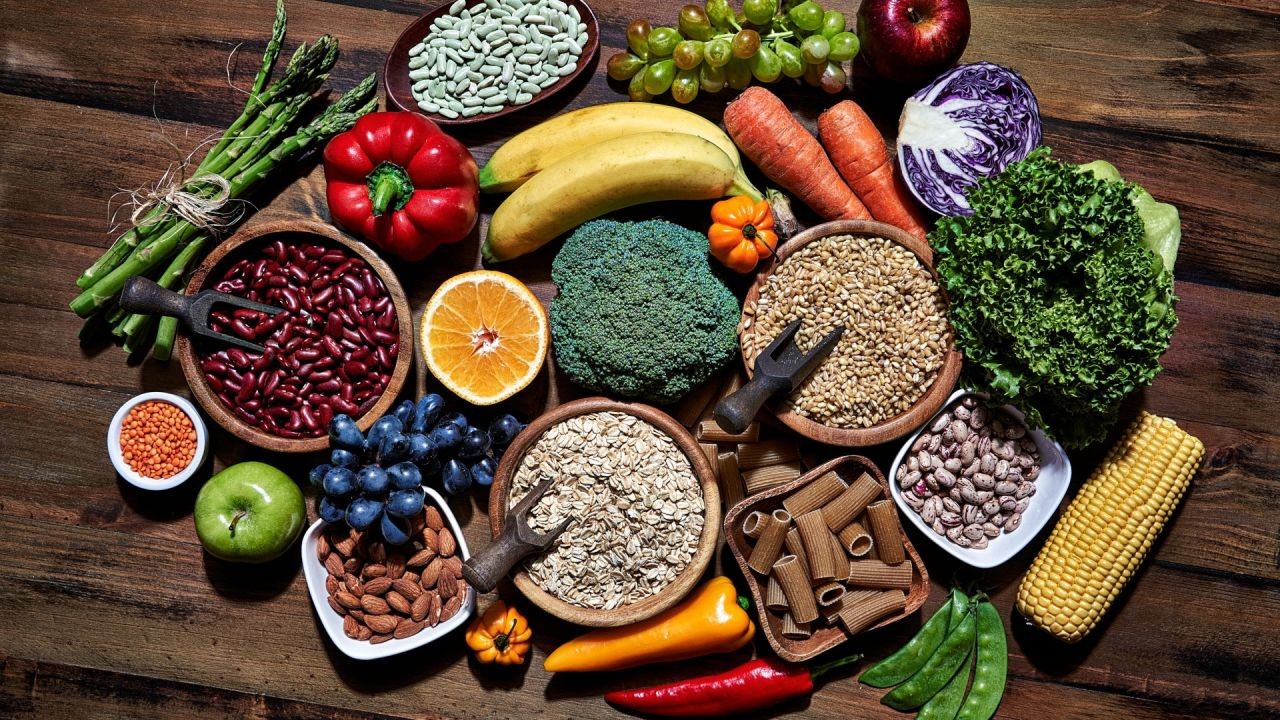
Vegan diets exclude all animal products, focusing instead on fruits, vegetables, grains, nuts, and seeds. The key to a nutritionally complete vegan diet lies in understanding and incorporating essential nutrients typically found in animal products.
- Protein: Plant-based proteins such as lentils, chickpeas, and quinoa can effectively meet protein needs when consumed in diverse combinations.
- Vitamin B12: Found naturally in animal products, vegans must rely on fortified foods or supplements to avoid deficiency.
- Iron: Though present in plants, iron from these sources is less easily absorbed. Consuming vitamin C-rich foods alongside can enhance absorption.
- Omega-3 Fatty Acids: Algae-based supplements can substitute for fish oil, offering a vegan-friendly source of these important fats.
Despite these available options, critics argue that maintaining such a diet requires meticulous planning, which can be a barrier for some individuals.
Pros and Cons Evaluation
Adopting a vegan diet comes with a range of benefits and challenges that any Kiwi business owner should consider when tapping into this market.
✅ Pros:
- Health Benefits: Vegan diets are linked to lower risks of heart disease, obesity, and certain cancers, as supported by numerous studies.
- Sustainability: A shift to plant-based diets could reduce New Zealand's agricultural emissions significantly, aligning with the nation's environmental goals.
- Market Growth: With a growing consumer base, there is increasing demand for vegan products, presenting lucrative business opportunities.
❌ Cons:
- Nutritional Challenges: Without careful planning, vegan diets can lead to deficiencies in essential nutrients like Vitamin B12 and omega-3 fatty acids.
- Social and Cultural Resistance: Traditional Kiwi diets heavily feature meat, posing cultural barriers to vegan adoption.
- Cost: High-quality vegan products can be more expensive, potentially limiting accessibility for lower-income consumers.
Common Myths & Mistakes
Despite growing awareness, several myths persist about vegan diets:
Myth: "Vegan diets are automatically healthy."
Reality: Like any diet, veganism requires balanced nutrition. Processed vegan foods can be high in sugars and unhealthy fats.
Myth: "Vegans can't get enough protein."
Reality: Plant-based proteins, when varied and consumed in adequate amounts, can meet protein needs effectively.
Myth: "Veganism is too expensive."
Reality: While some vegan products are pricey, many staples like beans and rice are affordable and nutritious.
Future Trends & Predictions
Looking ahead, the vegan market in New Zealand is poised for growth. A report from the New Zealand Trade and Enterprise suggests that by 2026, plant-based alternatives could constitute 20% of the nation's food market. This shift is driven by both health-conscious consumers and policies aimed at reducing carbon footprints, such as the Zero Carbon Act. As plant-based technology advances, we can expect even more innovative and accessible vegan products to enter the market.
Final Takeaways & Call to Action
- Vegan diets can be nutritionally complete with proper planning and supplementation.
- The market for vegan products is expanding, offering significant opportunities for businesses.
- Overcoming nutritional challenges requires education and access to diverse plant-based foods.
As a business owner, tapping into this growing trend can position your venture at the forefront of a healthier, more sustainable future. What steps will you take to incorporate vegan options into your business offerings? Share your thoughts and experiences below!
People Also Ask (FAQ)
How does a vegan diet impact businesses in New Zealand?
New Zealand businesses embracing vegan diets report increased customer loyalty and a 10%+ rise in sales, according to Nielsen. Offering vegan options can enhance market reach and profitability.
What are the biggest misconceptions about vegan diets?
One common myth is that vegan diets lack protein. However, research shows that diverse plant-based proteins can meet dietary needs effectively.
What are the best strategies for implementing a vegan diet?
Experts recommend starting with a variety of plant-based proteins, ensuring vitamin B12 supplements, and incorporating fortified foods for a balanced diet.
Related Search Queries
- Are vegan diets sustainable in New Zealand?
- Vegan diet nutritional deficiencies
- How to start a vegan diet business in NZ
- Vegan food market trends 2024
- Health benefits of vegan diets