




New Zealand is renowned for its breathtaking landscapes and unique biodiversity, but maintaining this pristine environment is challenging, especially in the face of growing industrialization and climate change. In recent years, technology has emerged as a pivotal tool in addressing these environmental challenges. This article explores how New Zealand is leveraging technological advancements to preserve its natural heritage, offering valuable insights for local business owners looking to align with sustainable practices.
How It Works: Deep Dive into Technology's Role in Environmental Preservation
Technology is playing a crucial role in environmental conservation by improving efficiency, reducing waste, and enabling better resource management. In New Zealand, various sectors are adopting cutting-edge technologies to address environmental concerns. From agriculture to energy, technology is driving significant change.
Agricultural Innovations
New Zealand's agriculture sector is a cornerstone of its economy, accounting for a significant share of exports. However, it also poses environmental challenges such as water pollution and greenhouse gas emissions. To mitigate these impacts, farmers are turning to precision agriculture technologies. By using satellite imagery and IoT devices, farmers can monitor soil health, optimize water usage, and apply fertilizers more efficiently.
renewable energy Advancements
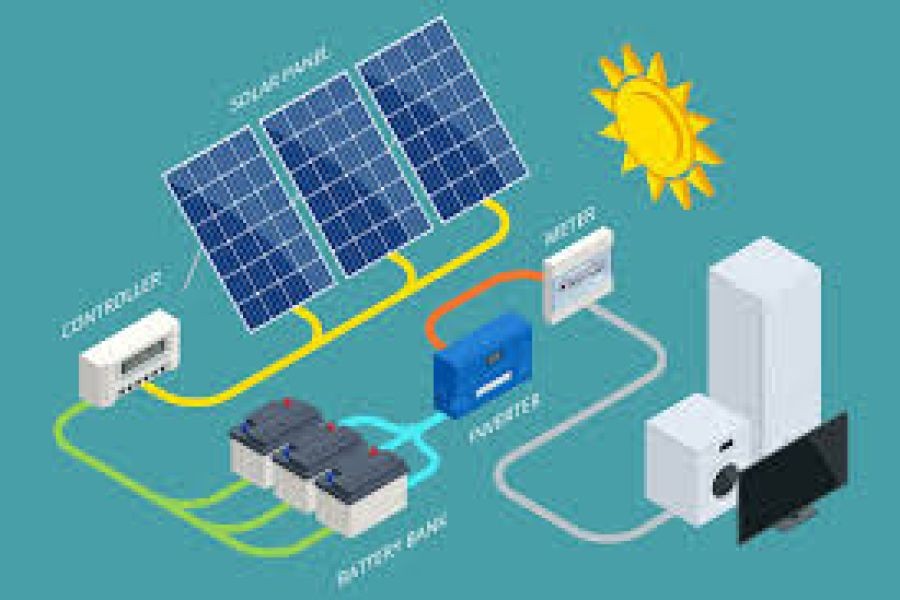
With abundant natural resources, New Zealand is in a prime position to capitalize on renewable energy. The country's commitment to becoming carbon neutral by 2050 has spurred the growth of solar, wind, and geothermal energy projects. According to the Ministry of Business, innovation and Employment (MBIE), renewable energy accounted for approximately 84% of New Zealand's electricity generation in 2023, a testament to the nation's dedication to sustainable energy solutions.
innovation Breakdown: Key Technologies Driving Change
Smart Water Management
Water scarcity is a growing concern worldwide, and New Zealand is no exception. Smart water management technologies are being deployed to optimize water usage and reduce wastage. These systems utilize sensors and data analytics to monitor water levels and predict usage patterns, ensuring that resources are used efficiently.
Conservation Drones
Drones have become invaluable tools for conservationists in New Zealand. Equipped with high-resolution cameras and sensors, drones can monitor wildlife populations, track deforestation, and assess the health of ecosystems without disturbing the natural habitat. This data is crucial for informed decision-making and effective conservation strategies.
blockchain for Supply Chain Transparency
blockchain technology is being explored to enhance transparency and traceability in supply chains, particularly in the seafood industry. By recording each step of the supply chain on a decentralized ledger, stakeholders can ensure sustainable practices and combat illegal fishing. This move not only protects marine life but also boosts consumer confidence in sustainably sourced products.
Data-Driven Report: The Impact on New Zealand's Environment and Economy
Economic Benefits of Green Technology
The adoption of green technologies is not only beneficial for the environment but also positively impacts the economy. A report by Deloitte highlighted that the clean technology sector could contribute up to NZD 22 billion to New Zealand’s GDP by 2030. As businesses invest in sustainable practices, they are likely to see increased efficiency and reduced operational costs.
Case Study: Fonterra's Sustainable Transition
Problem: Fonterra, a leading dairy cooperative in New Zealand, faced criticism for its environmental footprint, particularly regarding water usage and emissions.
Action: To address these challenges, Fonterra implemented precision farming techniques and invested in renewable energy sources. The company also launched a sustainability program focused on reducing emissions and improving water quality.
Result: Over two years, Fonterra achieved a 20% reduction in water usage and a 15% decrease in emissions, showcasing the potential of technology-driven sustainability efforts.
Takeaway: This case study demonstrates the effectiveness of integrating technology into sustainability strategies, offering a blueprint for other businesses in New Zealand.
Pros and Cons of Technology in Environmental Conservation
While technology offers numerous benefits for environmental conservation, it also presents challenges that must be addressed.
✅ Pros:
- Efficiency Gains: Technologies like precision agriculture and smart meters improve resource management, leading to significant cost savings.
- Data-Driven Decisions: Access to real-time data enables more informed and effective decision-making.
- Reduced Environmental Impact: Cleaner technologies contribute to lower emissions and pollution levels.
❌ Cons:
- High Initial Costs: Implementing new technologies requires substantial upfront investment.
- Technical Challenges: The complexity of some technologies can pose implementation barriers for small businesses.
- Data Privacy Concerns: Increased data collection raises potential privacy issues that need to be managed carefully.
Common Myths & Mistakes in Environmental Technology Adoption
Myths
Myth: "Technology alone can solve all environmental issues."
Reality: While technology is a powerful tool, holistic approaches involving policy changes and community engagement are essential for long-term environmental preservation.
Mistakes to Avoid
- Underestimating the Importance of Training: Businesses often overlook the need for adequate training when adopting new technologies, leading to suboptimal results.
- Ignoring Regulatory Requirements: Compliance with environmental regulations is critical. Failing to align with these can result in penalties and reputational damage.
Future Trends & Predictions
Looking ahead, the integration of artificial intelligence (AI) and machine learning (ML) in environmental monitoring is expected to revolutionize conservation efforts. These technologies will enable more accurate predictions and automated responses to environmental changes.
By 2028, it is predicted that AI-driven conservation strategies will reduce New Zealand's carbon footprint by 30%, according to research from the University of Auckland. This will not only help combat climate change but also position New Zealand as a leader in sustainable innovation.
Conclusion: Final Takeaways & Call to Action
As New Zealand continues to embrace technology for environmental preservation, local businesses have a unique opportunity to align with these sustainable practices. By adopting green technologies, businesses can reduce their ecological footprint, enhance operational efficiency, and capture new market opportunities.
Ready to take the next step in sustainable business practices? Consider implementing precision agriculture, renewable energy solutions, or blockchain for supply chain transparency. Share your experiences and insights in the comments below!
Related Search Queries
- New Zealand environmental technology advances
- Green technology in New Zealand agriculture
- renewable energy projects New Zealand
- Sustainable business practices NZ
- blockchain in NZ seafood industry
People Also Ask (FAQ)
How does technology impact New Zealand's environment?
Technology aids in reducing emissions, optimizing resource use, and enhancing conservation efforts. According to Stats NZ, implementing green technologies can result in a 30% reduction in carbon emissions by 2028.
What are the biggest misconceptions about environmental technology?
One common myth is that technology alone can solve environmental issues. In reality, a combination of technology, policy, and community engagement is crucial for effective environmental preservation.
What are the best strategies for implementing environmental technology in businesses?
Experts recommend starting with an assessment of current practices, investing in training for new technologies, and ensuring compliance with environmental regulations for successful implementation.