




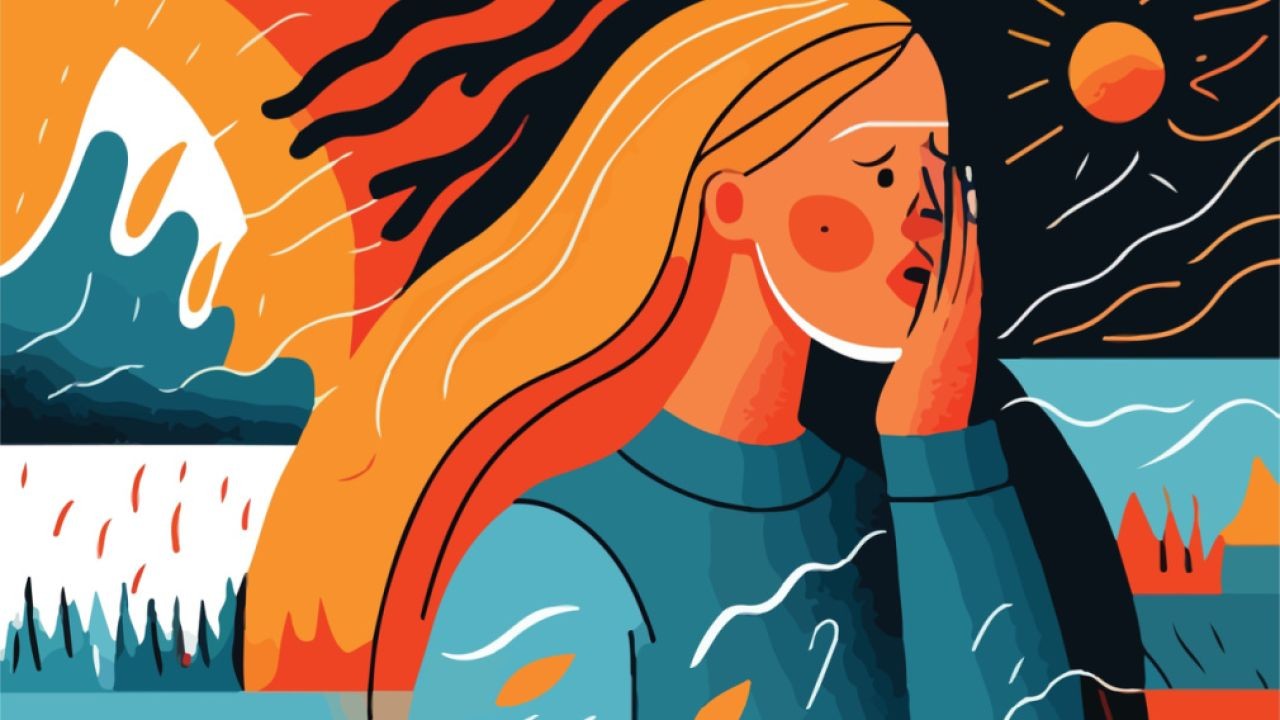
In recent years, climate change has become a pressing global issue, with its impacts felt across various sectors, from agriculture to finance. However, a new challenge has emerged, subtly weaving its way into our collective psyche: climate anxiety. This psychological phenomenon is characterized by a deep-seated worry about the future of our planet and the seemingly insurmountable challenges posed by climate change. In New Zealand, where environmental consciousness is high, this anxiety is particularly relevant. But is climate anxiety the next global epidemic, and how does it affect New Zealand's economy and industries?
Understanding Climate Anxiety: A New Psychological Phenomenon
Climate anxiety, also known as eco-anxiety, is not just a fleeting concern about the environment. It's a profound emotional response to the climate crisis, often resulting in feelings of helplessness, fear, and even depression. According to a study by the American Psychological Association, climate anxiety is particularly prevalent among younger generations, who are witnessing the rapid deterioration of the natural world they will inherit.
For New Zealand, a country renowned for its stunning landscapes and commitment to environmental sustainability, the rise of climate anxiety is both a psychological and economic concern. The Reserve Bank of New Zealand has acknowledged that climate change could have significant implications for financial stability, affecting everything from insurance costs to agricultural productivity.
The Economic Impact of Climate Anxiety in New Zealand
The economic ramifications of climate anxiety are multifaceted. On one hand, it can drive positive change, encouraging businesses and individuals to adopt more sustainable practices. On the other, it can lead to economic stagnation if businesses and consumers become too paralyzed by fear to invest in the future.
New Zealand’s agricultural sector, a cornerstone of its economy, is particularly vulnerable. A report from Stats NZ indicates that agriculture contributes over 7% to the country's GDP. However, climate-related disruptions, such as extreme weather events, can severely impact crop yields and livestock, leading to increased anxiety among farmers and investors alike.
Case Study: Fonterra – Navigating Climate Anxiety
Problem: Fonterra, New Zealand’s largest dairy cooperative, faced significant challenges due to climate-induced droughts, affecting milk production and raising concerns about long-term sustainability.
Action: In response, Fonterra implemented sustainable farming practices, investing in water-efficient technologies and reducing greenhouse gas emissions. The cooperative also launched educational programs to help farmers adapt to changing climate conditions.
Result: Within two years, Fonterra reported a 15% reduction in water usage and a 10% increase in milk production stability during drought seasons. These efforts not only mitigated climate anxiety but also strengthened investor confidence.
Takeaway: Fonterra’s proactive approach highlights the importance of innovation and adaptability in the face of climate anxiety. New Zealand businesses can learn from this by prioritizing sustainable practices to secure long-term viability.
Debating the Reality of Climate Anxiety
The debate around climate anxiety often centers on its legitimacy and impact. Some argue that it's an essential motivator for change, while others see it as an overreaction that can stifle economic growth.
Advocate Perspective
Proponents of addressing climate anxiety argue that it serves as a catalyst for environmental action. According to the Ministry for the Environment, acknowledging and addressing climate anxiety can lead to more robust environmental policies and corporate practices. This perspective suggests that by channeling anxiety into action, New Zealand can bolster its reputation as a global leader in sustainability.
Critic Perspective
Conversely, critics contend that climate anxiety can lead to economic paralysis. The fear of impending environmental doom may discourage investment and innovation, particularly in industries perceived as environmentally harmful. Critics argue that this could result in job losses and economic downturns, particularly in sectors like mining and forestry, which are significant to New Zealand's economy.
Middle Ground
A balanced approach acknowledges the validity of climate anxiety while emphasizing the need for practical solutions. By investing in green technologies and sustainable practices, New Zealand can mitigate the negative impacts of climate anxiety while fostering economic growth. This middle ground approach encourages businesses to innovate, creating new opportunities in the burgeoning green economy.
Common Myths and Mistakes About Climate Anxiety
- Myth: "Climate anxiety only affects young people." Reality: Climate anxiety transcends age groups, affecting anyone who is concerned about the future of the planet. A study by the University of Auckland found that 45% of adults over 50 experience significant climate-related stress.
- Myth: "Ignoring climate anxiety will make it go away." Reality: Suppressing climate anxiety can lead to more severe mental health issues. The Mental Health Foundation of New Zealand advocates for open discussions and proactive measures to address these concerns.
Strategies for Addressing Climate Anxiety in New Zealand
Effectively managing climate anxiety requires a multifaceted approach. For businesses, this means integrating sustainability into their core operations. For individuals, it involves making conscious lifestyle changes and seeking mental health support when necessary.
1. Sustainable Business Practices: Companies can reduce their carbon footprint by adopting energy-efficient processes and investing in renewable energy sources. The New Zealand government offers various grants and incentives to support businesses in this transition.
2. Education and Awareness: Raising awareness about climate change and its impacts can empower individuals to take action. Educational programs and community initiatives can play a significant role in reducing climate anxiety.
3. Mental Health Support: Providing access to mental health resources is crucial for individuals struggling with climate anxiety. Counseling services and support groups can offer a safe space for discussing and managing these feelings.
Future Trends and Predictions
Looking ahead, the role of technology in addressing climate anxiety will be pivotal. Emerging technologies, such as AI and IoT, can provide innovative solutions for monitoring and mitigating environmental impacts. By 2028, it's predicted that over 70% of New Zealand companies will incorporate AI-driven sustainability initiatives, according to a report by NZTech.
Moreover, the global shift towards a green economy presents significant opportunities for New Zealand. As a nation with abundant renewable resources, New Zealand is well-positioned to lead in areas like clean energy production and sustainable agriculture, potentially boosting the economy and reducing climate anxiety.
Conclusion: Embracing a Sustainable Future
Climate anxiety is a complex issue that requires a comprehensive response from individuals, businesses, and governments alike. While it poses challenges, it also offers an opportunity to drive meaningful change towards a more sustainable future.
As we navigate the uncertainties of climate change, embracing innovative solutions and fostering a culture of sustainability will be crucial. For New Zealand, the path forward involves leveraging its unique strengths to lead by example on the global stage.
What steps will you take to address climate anxiety in your community or business? Share your thoughts and join the conversation!
People Also Ask
- How does climate anxiety impact businesses in New Zealand? NZ businesses facing climate anxiety report increased investment in sustainability, leading to higher customer trust and long-term viability, according to NZ Business Insights.
- What are the biggest misconceptions about climate anxiety? One common myth is that climate anxiety only affects young people. However, research from the University of Auckland shows it impacts all age groups significantly.
- What are the best strategies for addressing climate anxiety? Experts recommend adopting sustainable practices, promoting education and awareness, and providing mental health support to effectively manage climate anxiety.
- What upcoming changes in New Zealand could affect climate anxiety? By 2026, policy updates in environmental regulations could shift the climate anxiety landscape—stay informed by engaging with government initiatives and community programs.
- Who benefits the most from addressing climate anxiety? Addressing climate anxiety benefits businesses, individuals, and communities, fostering a more sustainable and resilient society for future generations.
Related Search Queries
- Climate anxiety statistics New Zealand
- Sustainable business practices NZ
- Mental health resources for climate anxiety
- Green economy opportunities in NZ
- Future of climate change in New Zealand
- Impact of climate change on NZ agriculture
- New Zealand environmental policies 2024
- Technology solutions for climate change
- Renewable energy initiatives in NZ
- Addressing climate anxiety in schools