


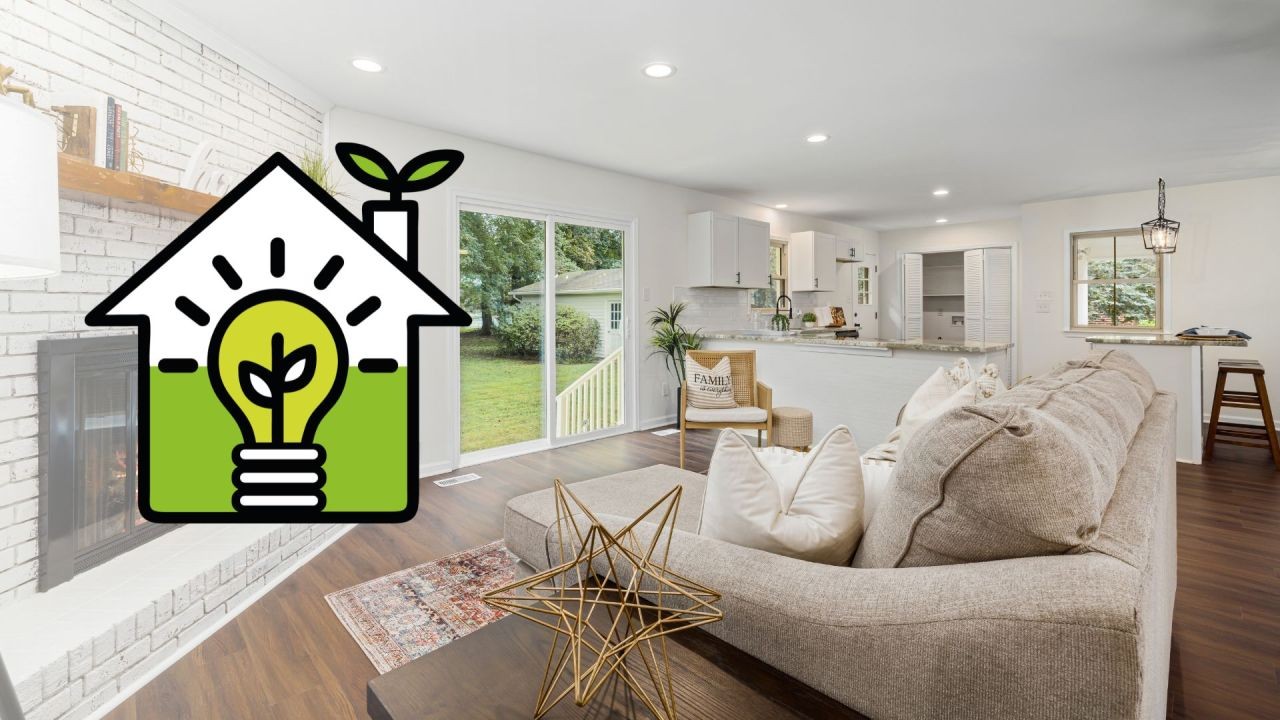
Transitioning to a more energy-efficient home is not just a moral imperative in the face of climate change; it's a strategic financial decision for New Zealand homeowners. With the cost of energy consistently rising and the global push towards sustainability, retrofitting your home can significantly reduce utility expenses while enhancing property value. But how do you navigate the complex landscape of energy-efficient upgrades to achieve the best results?
Understanding the Importance of Energy Efficiency in New Zealand
New Zealand's energy consumption is a critical topic, with residential energy use accounting for approximately 33% of the country’s total energy demand. According to the Ministry of Business, Innovation, and Employment (MBIE), enhancing energy efficiency is pivotal for reducing national carbon emissions. The government's initiatives, such as the Energy Efficiency and Conservation Strategy, support retrofitting efforts by providing financial incentives and guidance to homeowners. This alignment with national policies not only aids in economic savings but also supports New Zealand's commitment to international environmental agreements.
Pros & Cons of Retrofitting for Energy Efficiency
✅ Pros:
- Cost Savings: Retrofitting can reduce energy bills by up to 30%, according to the New Zealand Green Building Council.
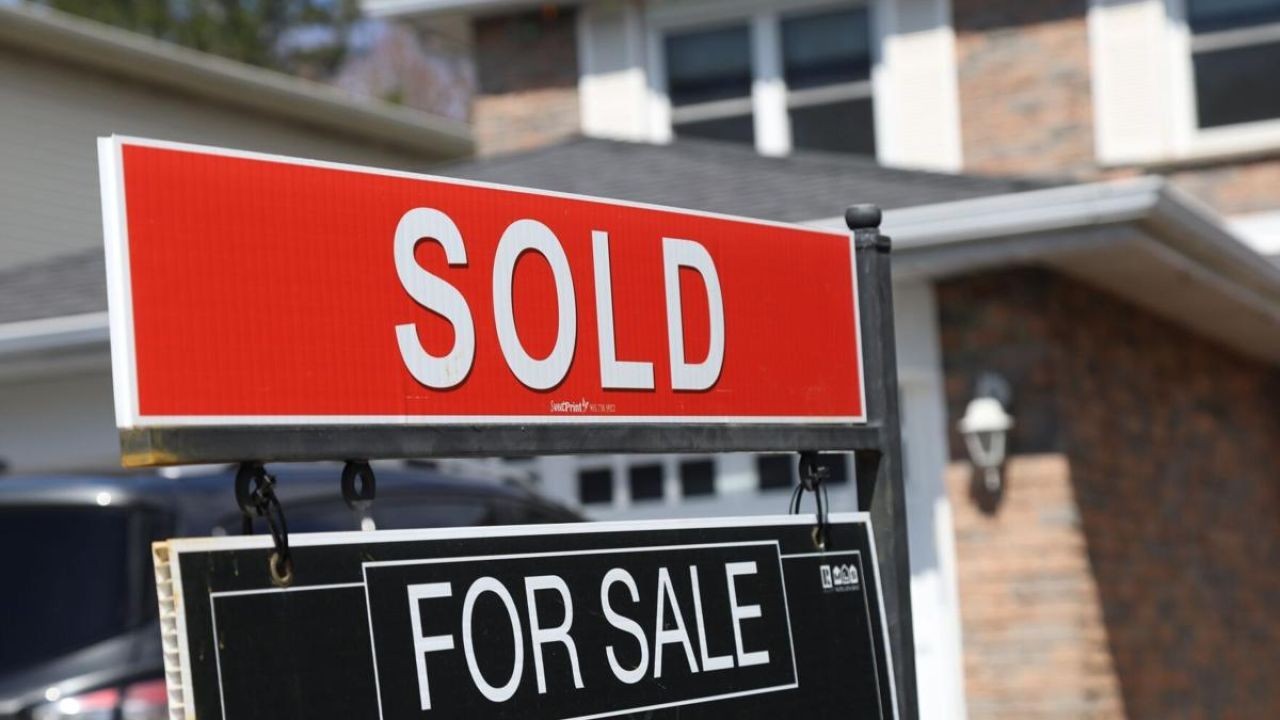
- Increased Property Value: Energy-efficient homes often sell for up to 9% more than conventional homes.
- Environmental Impact: A significant reduction in carbon footprint aligns with global sustainability goals.
- Enhanced Comfort: Improved insulation and efficient heating systems create a more comfortable living environment.
- Government Incentives: Access to rebates and subsidies can offset initial costs.
❌ Cons:
- Initial Investment: The upfront cost can be substantial, with high-efficiency systems and insulation materials being more expensive.
- Disruption: Retrofitting projects can be intrusive and time-consuming.
- Variable ROI: The return on investment can vary based on the specific upgrades and local energy prices.
- Technical Complexity: Requires specialized knowledge to ensure effective implementation.
- Potential Regulatory Hurdles: Compliance with evolving building codes can be challenging.
Real-World Case Studies
Case Study: A Wellington Homeowner's Journey to Energy Efficiency
Problem: A Wellington-based homeowner faced high electricity bills and inconsistent indoor temperatures, which were exacerbated by the city's windy and wet climate.
Action: By installing double-glazed windows and upgrading to a high-efficiency heat pump, the homeowner significantly enhanced the thermal performance of their home. Additionally, they used government rebates to install solar panels.
Result: Within a year, the homeowner experienced a 25% reduction in energy bills and a noticeable improvement in indoor comfort. The property's market value increased by 7% due to its enhanced energy profile.
Takeaway: Strategic retrofitting not only reduces operational costs but also adds value to the property, making such investments financially savvy in the long term.
Debunking Common Myths
- Myth: "Retrofitting is only beneficial for old homes." Reality: New builds can also benefit significantly from energy-efficient upgrades, particularly in reducing long-term operational costs.
- Myth: "Solar panels are the only way to achieve energy efficiency." Reality: While solar panels are effective, enhancing insulation and upgrading HVAC systems can also provide significant benefits.
- Myth: "Energy-efficient upgrades have a slow ROI." Reality: Many upgrades, such as LED lighting and smart thermostats, offer immediate utility savings.
Biggest Mistakes to Avoid
- Ignoring Insulation: Skimping on insulation can lead to significant energy loss. Ensure your home is well-insulated to maximize efficiency.
- Overlooking Professional Help: DIY efforts can lead to suboptimal results. Engage professionals for assessments and installations.
- Failure to Research Incentives: Not utilizing available government rebates and incentives can lead to unnecessarily high costs.
- Prioritizing Aesthetics Over Function: While aesthetics are important, they should not compromise the efficiency of the upgrades.
Future Trends & Predictions
The future of home energy efficiency in New Zealand looks vibrant, with technological advancements and policy shifts paving the way for more sustainable living. By 2030, the MBIE predicts that at least 50% of homes will incorporate smart energy management systems, drastically reducing national energy consumption. The growing trend towards net-zero energy homes, which generate as much energy as they consume, is expected to redefine residential construction and renovation practices.
Conclusion
Retrofitting your home for energy efficiency is a crucial step towards sustainable living and financial prudence. As utility costs rise and environmental concerns escalate, making informed, strategic upgrades can yield substantial benefits. New Zealand homeowners are uniquely positioned to leverage government support and advanced technologies to achieve significant energy savings and increase property value. What's your plan to make your home more energy-efficient? Share your thoughts and strategies!
People Also Ask (FAQ)
- How does retrofitting impact home value in New Zealand? Retrofitting can increase home values by up to 9%, as energy-efficient homes are highly sought after in the market.
- What are the best strategies for implementing energy efficiency? Start with a professional energy audit, prioritize insulation, upgrade HVAC systems, and explore renewable energy options like solar panels.
- What government incentives exist for energy retrofitting in NZ? New Zealand offers rebates and subsidies through programs like the Energy Efficiency and Conservation Authority (EECA) to support sustainable home improvements.
Related Search Queries
- Energy efficiency retrofitting in New Zealand
- NZ government energy rebates
- Home insulation benefits
- Solar panel installation costs NZ
- Smart home energy management
- Eco-friendly home improvements
- Green building practices in NZ
- Benefits of double glazing
- Renewable energy options for homes
- Energy-efficient heating systems