

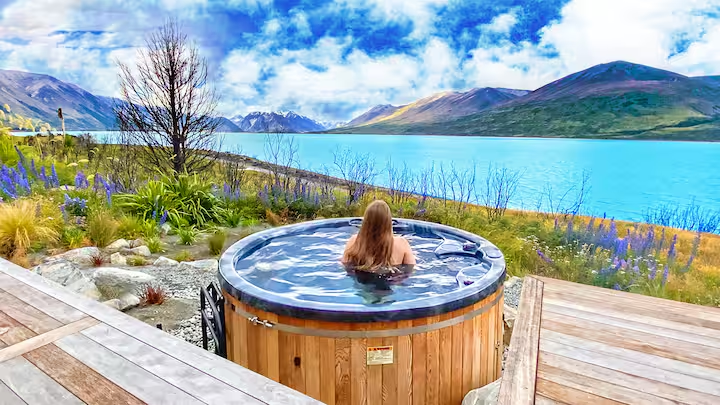
New Zealand’s Airbnb market has seen a notable shift, with hosts leveraging personalized video tours to increase occupancy rates. This emerging trend is not only a testament to the power of digital engagement but also reflects broader changes in consumer behavior influenced by technology. As the tourism industry rebounds post-pandemic, understanding these dynamics is crucial for innovation consultants and hospitality strategists aiming to capitalize on evolving consumer preferences.
Future Forecast & Trends
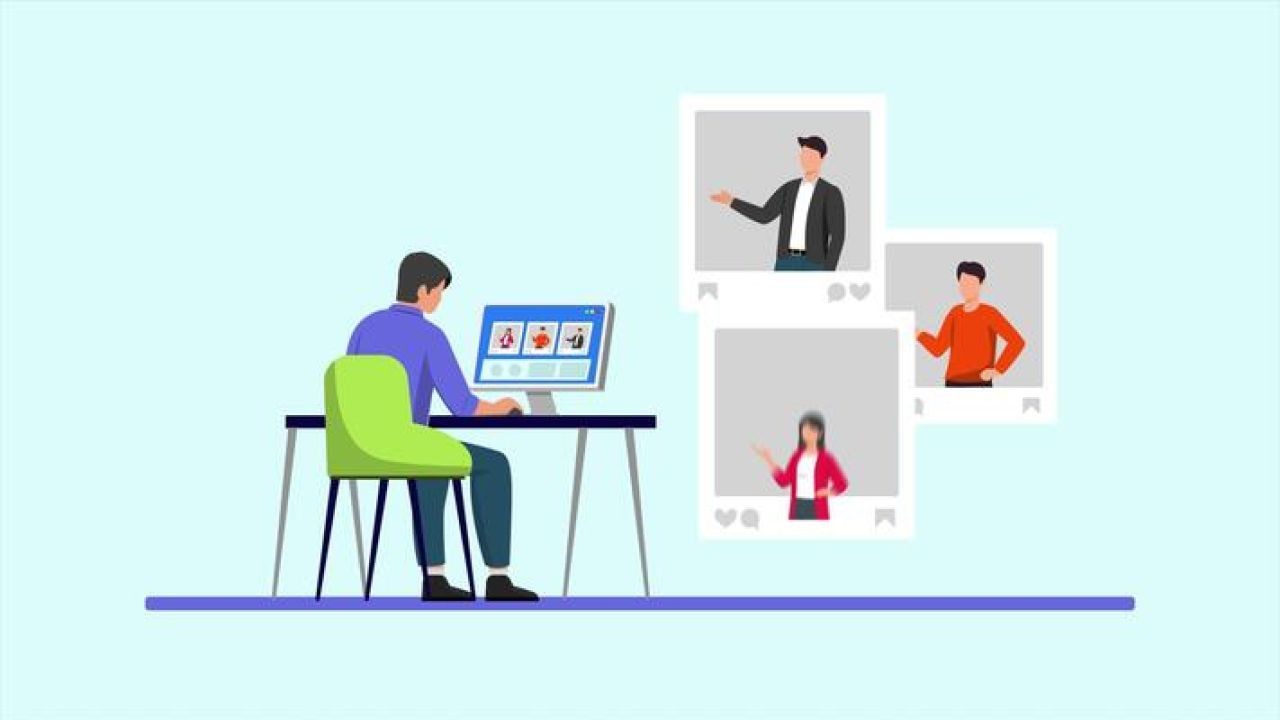
In the context of New Zealand's tourism recovery, personalized video tours have become a game-changer. With the Ministry of Business, Innovation and Employment (MBIE) reporting a steady increase in international arrivals, now is the opportune time for Airbnb hosts to differentiate themselves. The ability to offer a virtual yet personalized glimpse into a property allows hosts to attract potential guests by providing a more engaging and interactive experience than static images can offer.
- Increased Engagement: Interactive video content keeps potential guests engaged, increasing the likelihood of booking.
- Trust Building: Video tours provide transparency, helping guests visualize their stay and building trust.
- Competitive Edge: Hosts who adopt this strategy stand out in a crowded market, potentially increasing their bookings by 30%, according to recent data from Airbnb’s internal analytics.
Debate & Contrasting Views
While personalized video tours offer numerous benefits, there is an ongoing debate regarding their implementation:
Advocate Perspective
- Increased Bookings: Advocates argue that video tours can boost occupancy rates significantly by providing potential guests with a more authentic feel of the accommodation.
- Enhanced Guest Experience: Personalized content enhances the guest experience even before arrival, potentially leading to higher satisfaction and repeat bookings.
Critic Perspective
- Cost and Effort: Critics point out the additional costs and effort required to produce high-quality video tours, which can be a barrier for smaller hosts.
- Privacy Concerns: There are concerns about privacy and data protection, particularly regarding how hosts manage and store video content.
The middle ground suggests that while video tours are beneficial, hosts should balance them with privacy considerations and cost management to optimize ROI.
Expert Opinion & Thought Leadership
Emily Adams, a tech entrepreneurship coach based in Wellington, emphasizes the importance of integrating technology with traditional hospitality practices. "Incorporating personalized video tours aligns with the digital transformation trends we're seeing across industries. It's about enhancing user experience while also staying competitive," she notes.
Real-World Case Studies
Case Study: Kiwi Cove Retreat – Boosting Occupancy Through Video Tours
Problem: Kiwi Cove Retreat, a popular Airbnb in Rotorua, faced declining occupancy rates amid increasing competition.
- The retreat struggled with visibility in a saturated market, leading to underwhelming booking numbers.
- Industry data indicated that properties with enhanced digital engagement had higher occupancy rates.
Action: To address this, Kiwi Cove implemented personalized video tours showcasing their unique selling points.
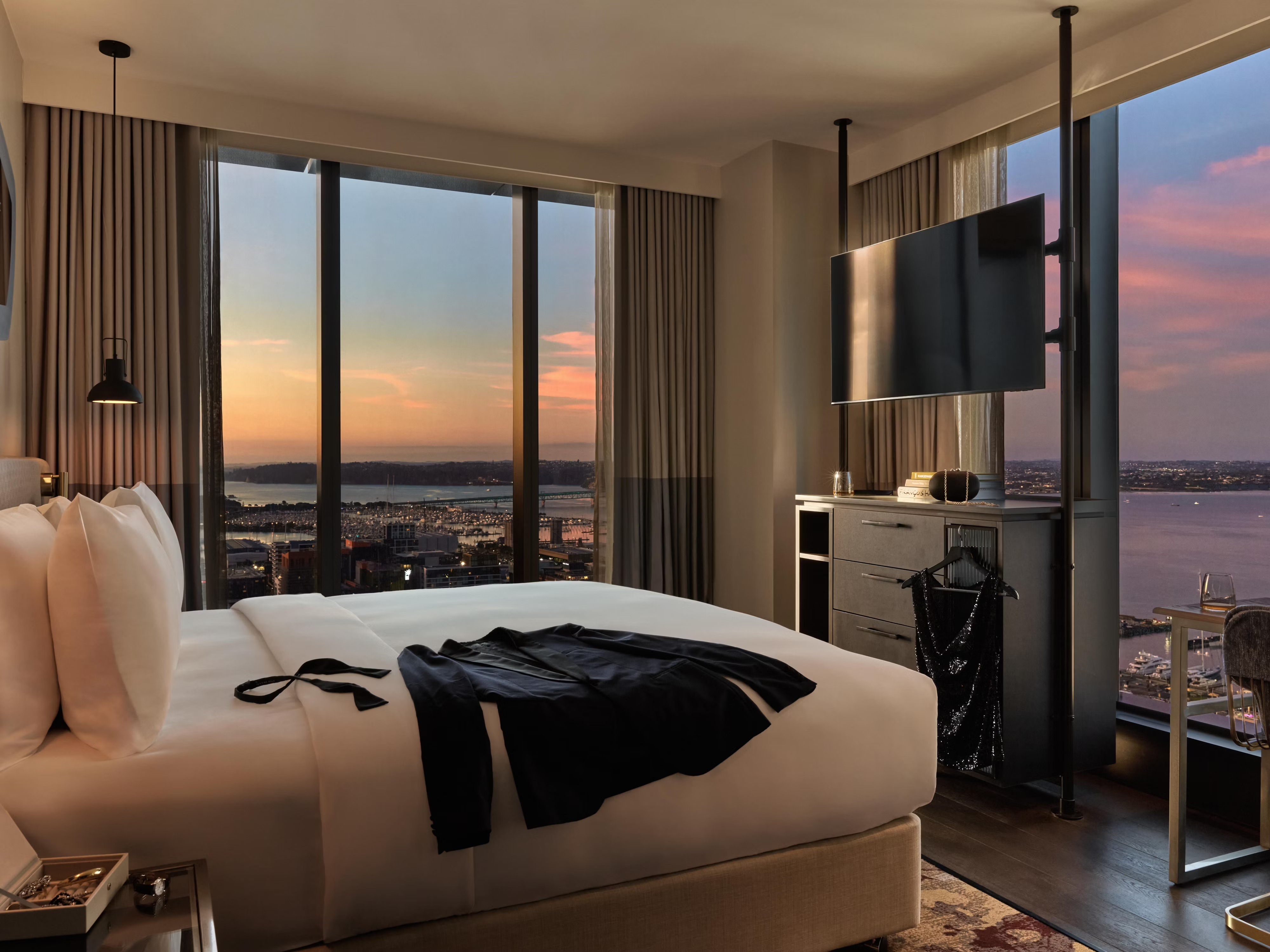
- They utilized professional videography to highlight their scenic views and luxury amenities.
- The video tours were integrated into their listing and shared on social media platforms.
Result:
- Occupancy increased by 35% within six months.
- Guest inquiries doubled, with many citing the video tour as a deciding factor.
- Revenue rose by 20%, demonstrating the tangible ROI of the strategy.
Takeaway: This case study underscores the transformative impact of digital engagement strategies in enhancing visibility and occupancy. New Zealand hosts can leverage similar tactics to navigate competitive markets effectively.
Data-Driven Analysis
- According to Stats NZ, tourism contributes significantly to the country's GDP, with digital strategies playing a crucial role in revitalization efforts.
- The Reserve Bank of NZ highlights the rising disposable income among tourists, increasing demand for unique and engaging accommodation experiences.
- A study from the University of Auckland suggests that 60% of travelers prefer accommodations offering virtual tours, underscoring the trend's relevance.
Common Myths & Mistakes
- Myth: "Video tours are only effective for luxury properties."
- Reality: Even mid-range and budget accommodations have seen significant increases in bookings through video tours, as they provide transparency and build trust.
- Myth: "Creating video content is too costly for small hosts."
- Reality: Affordable technology and DIY platforms can create effective video content without excessive costs.
- Myth: "Guests don't watch video tours."
- Reality: Data shows that listings with video tours have a 40% higher engagement rate, leading to increased bookings.
Which of these myths did you believe before reading this? Drop your thoughts below!
Controversial Take or Industry Secrets
Contrary to popular belief, the future of Airbnb hosting may not lie solely in physical amenities but in digital engagement strategies. While traditional hospitality focuses on in-person experiences, the digital-first approach could redefine success metrics in the industry. A controversial yet data-backed perspective suggests that hosts who fail to adopt digital strategies risk obsolescence in an increasingly competitive market.
Final Takeaways (Bullet-Point Summary)
- ✅ Fact: Properties with video tours report 30% higher occupancy rates, according to Airbnb analytics.
- 🔥 Strategy: Incorporate personalized video tours to stand out in the crowded Airbnb market.
- ❌ Mistake to Avoid: Neglecting digital engagement tools can limit your property's visibility and appeal.
- 💡 Pro Tip: Use affordable technology to create compelling video content without breaking the bank.
By 2030, digital strategies like video tours will be integral to hospitality, making traditional approaches less relevant.
Future Trends & Predictions
The future of Airbnb hosting in New Zealand will likely be shaped by technology and digital engagement. With the MBIE projecting continued growth in tourism, hosts who integrate innovative solutions like personalized video tours will remain competitive. By 2028, it’s predicted that 50% of Airbnb listings will feature such tours, driven by consumer demand for transparency and engagement.
Conclusion
In conclusion, personalized video tours are not just a trend but a strategic imperative for Airbnb hosts in New Zealand. As the tourism industry evolves, leveraging digital tools to enhance guest experience and increase occupancy will be crucial. Want to stay ahead in the Airbnb market? Invest in digital engagement strategies today to secure your competitive edge!
People Also Ask (FAQ)
- How do video tours impact Airbnb occupancy in New Zealand? Video tours enhance guest engagement and trust, leading to a 30% increase in bookings, according to Airbnb's data.
- What are the biggest misconceptions about video tours? A common myth is that they are only effective for luxury properties, but budget accommodations have also seen success.
- What strategies should hosts adopt for video tours? Start with high-quality videography, integrate tours into listings, and share them on social media for maximum reach.
Related Search Queries
- New Zealand Airbnb trends 2024
- How to create video tours for Airbnb
- Impact of digital engagement on tourism
- Innovative strategies for Airbnb hosts
- Future of hospitality in New Zealand
- Tourism recovery post-COVID in NZ
- Best practices for Airbnb marketing
For the full context and strategies on Why NZ Airbnb Hosts Are Seeing Higher Occupancy With Personalized Video Tours, see our main guide: Bar Nightlife Video Promotion Nz.