





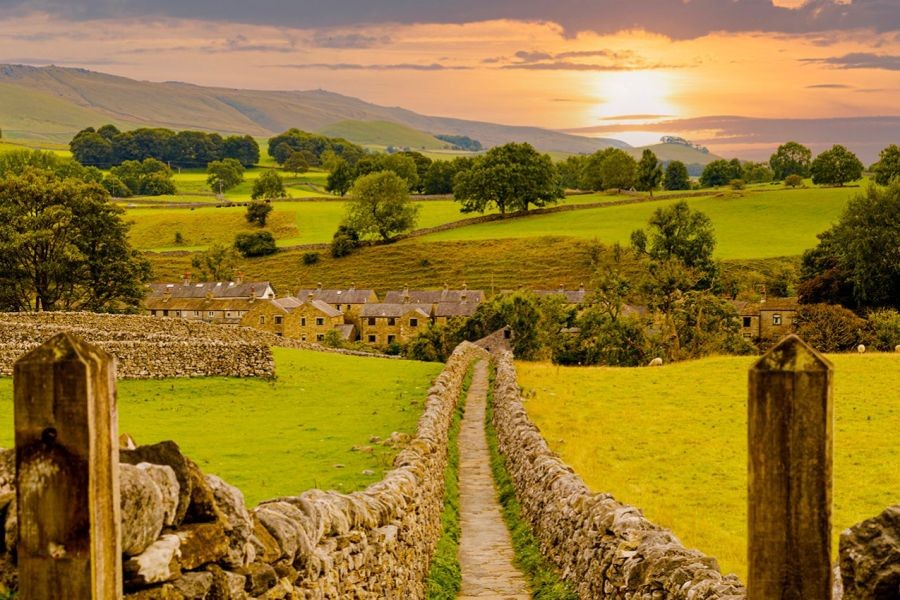
Rural living in New Zealand is often romanticized for its serene landscapes and slower pace of life. However, there are numerous facets of rural life that remain underappreciated or misunderstood, especially in the context of healthcare and economic opportunities. This article delves into five surprising facts about rural living in New Zealand, offering a comprehensive understanding for healthcare consultants and other professionals engaged with rural communities.
1. Economic Contribution: More Than Just Agriculture
While agriculture is a significant part of rural New Zealand's economy, it is not the only contributor. Rural areas are increasingly diversifying into tourism, renewable energy, and technology. According to Stats NZ, the rural technology sector has seen a 15% growth annually over the past five years, driven by innovations in agri-tech and sustainable farming practices.
Case Study: Agri-Tech Innovations in Canterbury
In Canterbury, a region traditionally known for its farming, the rise of agri-tech companies has transformed the local economy. One such company, CropX, has developed advanced soil monitoring technology that helps farmers optimize water usage, leading to a 20% increase in crop yields. This technological shift not only boosts the local economy but also sets an example for sustainable farming practices nationwide.
2. Healthcare Access: Bridging the Gap with Technology
Access to healthcare in rural New Zealand has traditionally been a challenge. However, the integration of telemedicine has revolutionized healthcare delivery. A report by the Ministry of Health highlighted a 30% increase in telehealth consultations in rural areas since 2020, improving access to healthcare professionals and reducing travel time for patients.
Real-World Example: Telehealth in the Hawke's Bay
In Hawke's Bay, a remote region with limited healthcare facilities, telehealth services have become a lifeline for many. The local district health board implemented a telemedicine platform that connects patients with specialists in urban centers. This initiative has reduced patient wait times by 50% and increased the overall satisfaction rate among rural residents.
3. Community Resilience: A Model for Urban Areas
Rural communities in New Zealand are exemplars of resilience and adaptability. The interconnectedness and collaborative spirit found in these communities often lead to innovative solutions to common challenges. For instance, during the COVID-19 pandemic, rural areas were quick to implement community-led health initiatives that effectively curbed the spread of the virus.
Comparative Analysis: Rural vs. Urban Response to COVID-19
While urban centers struggled with coordination and resource allocation, rural communities leveraged local networks to distribute essential supplies and disseminate health information swiftly. This grassroots approach not only mitigated the pandemic's impact but also fostered a sense of unity and self-reliance that urban areas could learn from.
4. Environmental Stewardship: Leading the Charge
Rural New Zealand is at the forefront of environmental conservation efforts. This is not just a necessity but a part of the rural ethos. The Ministry for the Environment reports that rural areas are responsible for 70% of New Zealand's biodiversity conservation efforts. This includes initiatives like regenerative agriculture and native tree planting projects.
Case Study: Regenerative Farming in Northland
Northland's farmers have adopted regenerative farming practices to restore soil health and enhance biodiversity. By reducing chemical inputs and rotating crops, they have improved soil fertility and increased carbon sequestration by 30%. This not only benefits the environment but also enhances the long-term productivity and sustainability of their farms.
5. Cultural Heritage: Preserving Traditions
Rural communities play a crucial role in preserving New Zealand's cultural heritage. The integration of Māori traditions into everyday life is more pronounced in rural areas, where cultural practices are deeply rooted in the community. This preservation of cultural heritage contributes to a richer, more diverse national identity.
Real-World Example: Māori Cultural Practices in Rotorua
Rotorua, known for its geothermal activity and Māori culture, is a prime example of how rural areas preserve and promote cultural heritage. The Te Arawa people of Rotorua have established cultural tourism initiatives that educate visitors about Māori traditions and customs. This not only generates economic benefits but also fosters cultural appreciation and understanding.
Pros and Cons of Rural Living in New Zealand
Pros:
- Strong Community Ties: Rural areas offer a sense of community and belonging that is often lacking in urban environments.
- Lower Cost of Living: Housing and living costs are generally lower in rural areas compared to cities.
- Access to Nature: Proximity to natural landscapes offers recreational and mental health benefits.
- Opportunities for Innovation: The need for self-sufficiency often leads to innovative solutions and entrepreneurship.
Cons:
- Limited Healthcare Access: Despite improvements, access to specialized healthcare remains a challenge.
- Fewer Job Opportunities: Employment options can be limited, particularly for specialized fields.
- Infrastructure Limitations: Rural areas may lack advanced infrastructure such as high-speed internet.
- Social Isolation: Distance from urban centers can lead to feelings of isolation, particularly for younger residents.
Debunking Myths About Rural Living
Myth 1: Rural Areas Are Economically Stagnant
Reality: As demonstrated by the growth of agri-tech and tourism, rural areas are diversifying and contributing significantly to the national economy.
Myth 2: Healthcare is Unavailable in Rural Areas
Reality: Telemedicine and community health initiatives have greatly improved healthcare access and outcomes in rural regions.
Myth 3: Rural Living is Only for the Elderly
Reality: Younger generations are increasingly attracted to rural areas for the lifestyle benefits and opportunities for entrepreneurship and innovation.
Future Trends in Rural New Zealand
The future of rural New Zealand looks promising, with continued advancements in technology and sustainable practices. By 2030, it is expected that renewable energy will power 50% of rural communities, reducing reliance on traditional energy sources. Additionally, the integration of smart farming technologies will further enhance agricultural productivity and sustainability.
Conclusion
Rural living in New Zealand offers a unique blend of opportunities and challenges. For healthcare consultants and professionals working with rural communities, understanding these dynamics is crucial. By leveraging technology, fostering community resilience, and embracing sustainable practices, rural New Zealand can continue to thrive and contribute significantly to the nation's well-being.
What are your thoughts on rural living in New Zealand? Share your insights and experiences in the comments below!
People Also Ask
- How does rural living impact healthcare access in New Zealand? Telemedicine has improved healthcare access in rural New Zealand, reducing travel time and increasing consultation availability by 30%.
- What are the biggest misconceptions about rural living in New Zealand? A common myth is that rural areas are economically stagnant, but they are diversifying into tech and tourism, contributing significantly to the national economy.
- What are the benefits of living in rural New Zealand? Benefits include strong community ties, lower living costs, access to nature, and opportunities for innovation and entrepreneurship.
- What upcoming changes could affect rural living in New Zealand? By 2030, renewable energy and smart farming technologies are expected to significantly enhance rural productivity and sustainability.
- Who benefits the most from rural living in New Zealand? Families, entrepreneurs, and those seeking a closer connection to nature benefit from rural living, enjoying a supportive community and lower costs.
Related Search Queries
- rural living in New Zealand benefits
- healthcare access in rural New Zealand
- economic impact of rural areas in NZ
- future of rural New Zealand
- telemedicine in rural NZ
- agri-tech innovations in New Zealand
- cultural heritage in rural NZ
- environmental initiatives in rural areas
- challenges of rural living in New Zealand
- rural community resilience in NZ