






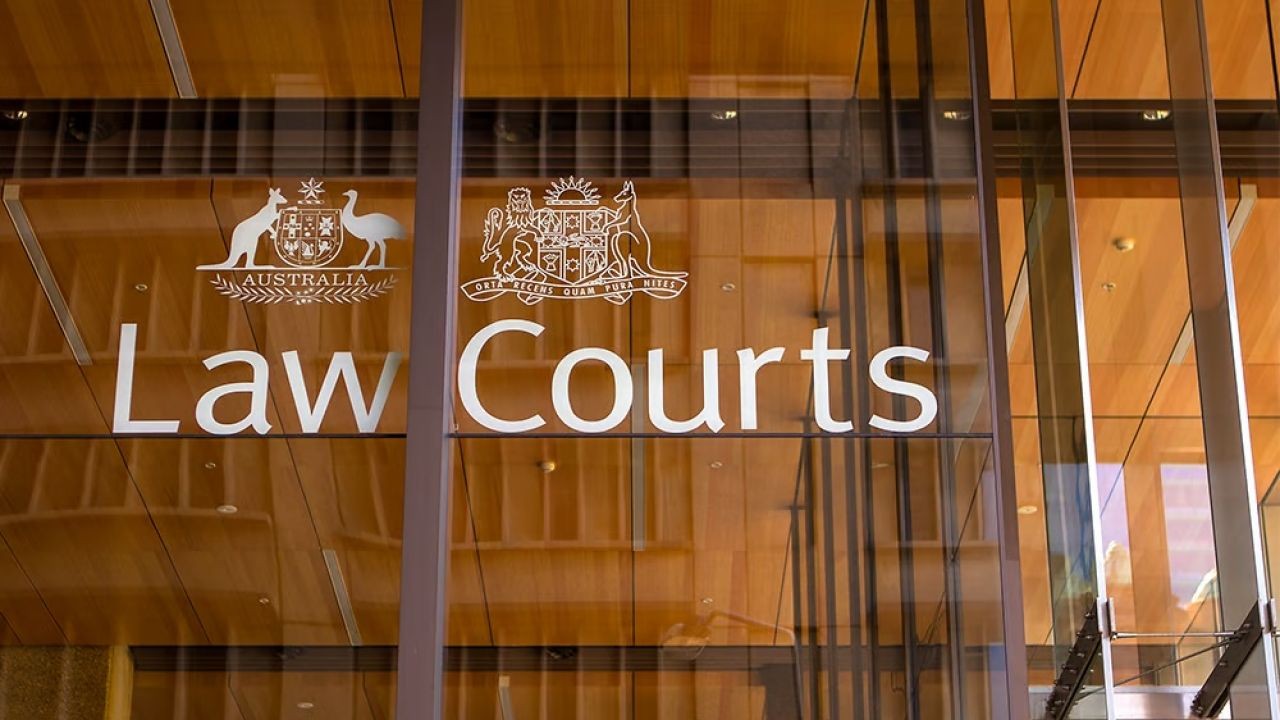
Australia's legal landscape is filled with intriguing cases that reveal the unique intersection of law, culture, and societal norms. For healthcare consultants, understanding these cases can offer valuable insights into regulatory complexities and potential risks that may affect the healthcare industry. This article will explore some of the most unusual legal disputes in Australian courts, providing an engaging analysis for executives and decision-makers in the healthcare industry.
Australian courts have long been associated with serious matters such as criminal trials, commercial disputes, and constitutional challenges. Yet alongside these weighty cases exists a growing catalogue of legal disputes so strange they often capture public attention nationwide. From arguments over fence heights to lawsuits involving unusual personal grievances, these cases are not only real but increasingly common across Australia’s legal system.
Many of Australia’s most bizarre legal disputes arise from everyday situations that escalate far beyond common sense. Neighbour disagreements over trees, noise, pets, or parking frequently end up before tribunals and courts. What begins as a minor irritation can transform into a full legal battle when communication breaks down. Australia’s strong culture of property rights and personal boundaries often fuels these conflicts, pushing ordinary citizens into extraordinary legal territory.
Employment-related disputes also contribute to the rise of unusual court cases. Australian courts have seen claims involving unconventional workplace conduct, creative interpretations of unfair dismissal, and disputes over seemingly trivial incidents. As workplace rights become better understood and more accessible, employees and employers alike are more willing to test legal boundaries, resulting in cases that challenge traditional expectations of what belongs in a courtroom.
Another driver behind these strange disputes is Australia’s expanding access to justice. Tribunals, small claims courts, and consumer protection bodies make it easier for individuals to pursue legal action without extensive legal representation. While this accessibility is a positive development, it also lowers the threshold for disputes that might once have been resolved informally. As a result, courts are increasingly asked to rule on matters that blur the line between legal necessity and personal frustration.
Cultural and social change is also reshaping the nature of disputes. As Australian society becomes more diverse and digitally connected, conflicts now extend into online spaces, shared communities, and social platforms. Courts are being asked to adjudicate disputes involving social media behaviour, digital communication, and reputational harm that would have been unimaginable a generation ago. These cases often appear strange not because they lack seriousness, but because they reflect a rapidly evolving social landscape.
Media coverage plays a significant role in amplifying the perception of weird legal disputes. Unusual cases are more likely to attract headlines, reinforcing the idea that Australia’s courts are filled with bizarre arguments. This visibility creates a feedback loop, encouraging more people to believe that legal action is a viable response to even the most unconventional grievances.
The underlying secret behind the growth of these disputes lies in changing attitudes toward accountability and rights. Australians are more informed about their legal entitlements and more confident in asserting them. While this empowerment strengthens the rule of law, it also increases the number of cases where legal frameworks are stretched to address deeply personal or unconventional conflicts.
Importantly, these cases are not necessarily a sign of a broken legal system. Instead, they highlight a system responding to social complexity, technological change, and heightened expectations of fairness. Australian courts are adapting to a society where boundaries are constantly tested and definitions of harm are evolving.
Ultimately, the weirdest legal disputes in Australian courts reveal more about modern Australia than about legal absurdity. They reflect a nation grappling with new ways of living, working, and interacting. As access to justice expands and societal norms continue to shift, these unusual cases are likely to remain a distinctive—and revealing—feature of Australia’s legal landscape.
Introduction
Imagine a kangaroo in court. While this may seem far-fetched, Australia's legal system has seen its share of peculiar cases. From disputes over the ownership of a meteorite to a fight over a $2.5 billion treasure found in a shipwreck, these cases not only highlight the diversity of legal issues but also underline the importance of understanding the legal environment in which businesses operate. For healthcare consultants, these cases provide essential lessons in navigating regulatory landscapes and mitigating potential legal risks.
The Case of the $2.5 Billion Shipwreck Treasure
One of the most bizarre legal disputes involved a shipwreck off the coast of Western Australia. A Spanish galleon, believed to be carrying $2.5 billion worth of treasure, was discovered, leading to a complex legal battle over its ownership.
Pros
- High Stakes: The case attracted significant attention due to the enormous value of the treasure.
- International Implications: The dispute involved multiple countries, highlighting the complexities of international maritime law.
- Legal Precedent: The case set important precedents for future maritime discoveries.
Cons
- Legal Complexity: Navigating international law added layers of complexity to the case.
- Prolonged Resolution: The legal battle took years to resolve, delaying potential benefits.
- Resource Intensive: The financial and human resources required were significant.
The Meteorite Ownership Battle
In another unusual case, a legal dispute arose over the ownership of a meteorite that landed in a farmer's field in Victoria. The farmer claimed ownership, while the government argued it belonged to the state, sparking a debate over property rights and natural resources.
Pros
- Public Interest: The case drew widespread media attention, educating the public on property rights.
- Clarification of Laws: Helped clarify legal definitions regarding natural resources and private property.
- Scientific Value: Highlighted the potential scientific benefits of such discoveries.
Cons
- Legal Ambiguity: The lack of clear legislation led to prolonged legal disputes.
- Potential Conflicts: Set a precedent for future conflicts between landowners and the state.
- Economic Impact: The cost of legal proceedings was substantial for both parties.
The Case of the Disappearing Island
In a fascinating case, a dispute over a disappearing island in the Torres Strait highlighted the impacts of climate change and rising sea levels. The island, home to an indigenous community, was gradually submerged, leading to legal battles over land rights and environmental responsibilities.
Pros
- Environmental Awareness: Brought attention to the effects of climate change on indigenous lands.
- Legal Precedents: Established important precedents for environmental law and indigenous rights.
- Government Accountability: Highlighted the need for government responsibility in environmental protection.
Cons
- Complex Jurisdictional Issues: Jurisdictional complexities delayed legal resolutions.
- Resource Allocation: Required significant resources to address legal and environmental challenges.
- Community Impact: The indigenous community faced significant displacement challenges.
Lessons for Healthcare Consultants
These cases highlight the importance of understanding legal complexities and regulatory landscapes for healthcare consultants. By examining these unusual legal disputes, healthcare professionals can gain insights into potential risks and develop strategies to mitigate them.
- Stay informed about regulatory changes and legal precedents that may affect healthcare operations.
- Develop risk management strategies to address potential legal challenges.
- Engage with legal experts to ensure compliance with relevant laws and regulations.
Future Trends and Predictions
As Australia continues to evolve, so will its legal landscape. Healthcare consultants should be prepared for potential changes in regulations and policies that could impact their industry. By staying informed and proactive, healthcare professionals can navigate these complexities and ensure their practices remain compliant and successful.
Conclusion
The weirdest legal disputes in Australian courts offer valuable insights for healthcare consultants. By understanding these cases, professionals can better navigate the regulatory landscape and mitigate potential risks. As the legal environment continues to evolve, staying informed and proactive will be key to success.
People Also Ask (FAQ)
- How do unusual legal disputes impact the healthcare industry in Australia?
Unusual legal disputes can highlight potential regulatory risks and compliance issues that healthcare professionals need to be aware of.
- What can healthcare consultants learn from these legal disputes?
Healthcare consultants can gain insights into potential legal challenges and develop strategies to mitigate risks and ensure compliance with regulations.
- How can healthcare professionals stay informed about legal changes in Australia?
Healthcare professionals can stay informed by engaging with legal experts, attending industry conferences, and following regulatory updates.
Related Search Queries
- Unusual legal disputes in Australia
- Legal challenges in Australian healthcare
- Regulatory compliance for healthcare consultants
- Australian legal system and healthcare
- Impact of legal disputes on healthcare industry
For the full context and strategies on The Weirdest Legal Disputes Ever Heard in Australian Courts – The Secret Behind Its Growth in Australia, see our main guide: Education Event Videos Australia.






























harveyspencer
4 months ago