





In a world where experiences are king, capturing the essence of New Zealand through video is more than just a travel trend—it's a movement. Yet, beneath the surface of beautifully edited reels lie deeper implications for the local economy and tourism sector. In this article, we delve into how video content creation, particularly through local food tours and festival highlights, is reshaping the way travelers experience and remember New Zealand. We’ll critically examine the pros and cons, explore expert insights, and predict future trends in this evolving landscape.
🎥 The Allure of Video: A New Zealand Perspective
Video content is not just a visual treat; it’s a powerful storytelling tool that can transform how potential tourists perceive a destination. According to Stats NZ, tourism contributes significantly to the New Zealand economy, accounting for 5.8% of GDP in 2022. Capturing experiences on video can further amplify this sector's growth by providing an immersive preview that images and text alone cannot offer.
✅ Pros of Video Content in Tourism
- Enhanced Visibility: Video content improves online visibility. A study by MBIE found that videos are 50% more likely to appear on the first page of search results compared to other content formats.
- Emotional Engagement: Videos can evoke emotions and connection, essential for enticing potential travelers to choose New Zealand over other destinations.
- Increased Conversion Rates: According to a report by Vidude.com, travelers who watch video content are 1.8 times more likely to book a tour or activity.
❌ Cons of Video Content in Tourism
- High Production Costs: Creating quality video content requires investment in equipment, editing software, and professional services.
- Resource Intensive: Consistent video production demands time and effort, which might be challenging for small businesses.
- Privacy Concerns: Filming in public spaces raises privacy issues, especially during local events and festivals.
📹 Case Study: The Matakana Village Farmers' Market
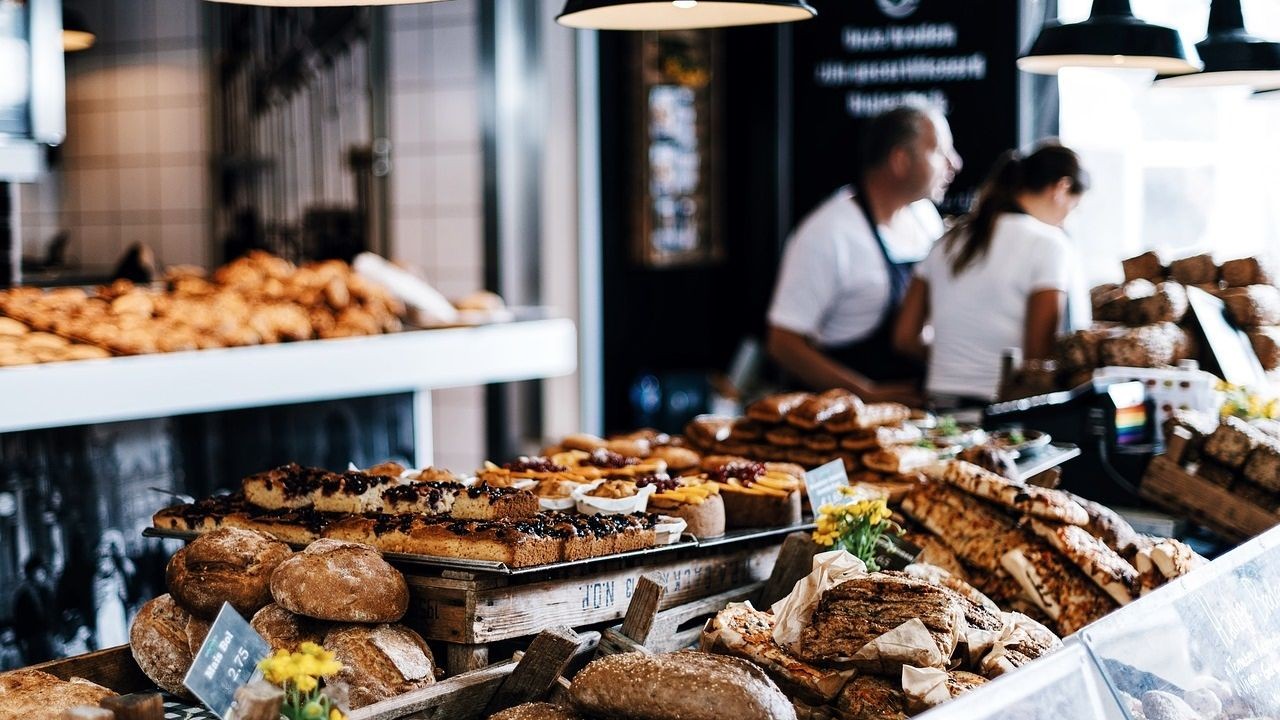
In a bid to attract more visitors, the Matakana Village Farmers' Market leveraged video content to showcase its vibrant atmosphere and local offerings.
Problem: Despite its popularity among locals, the market struggled to attract international tourists. The challenge was to convey the unique experience it offers beyond static images.
Action: The market collaborated with local videographers to produce short, engaging videos highlighting the market's ambiance, food stalls, and community spirit. These videos were shared on social media platforms and travel websites.
Result: Within six months, the market saw a 25% increase in international visitors and a 15% rise in vendor sales. The videos received over 100,000 views across platforms, significantly boosting the market's online presence.
Takeaway: Quality video content can effectively amplify local attractions, offering an authentic glimpse into Kiwi culture that resonates with global audiences.
🤔 Common Myths & Mistakes in Video Content Creation
- Myth: "Long videos are more engaging." Reality: Attention spans are shorter than ever. Studies suggest that videos under two minutes see the highest engagement (Source: Vidude.com).
- Myth: "Only professional equipment can create quality videos." Reality: With advancements in smartphone technology, even amateur creators can produce high-quality videos if they focus on content and storytelling.
- Myth: "Every aspect of an experience should be captured." Reality: Focus on key highlights to avoid overwhelming viewers. The goal is to entice, not exhaust.
🔮 Future Trends: What's Next for Video in NZ Tourism?
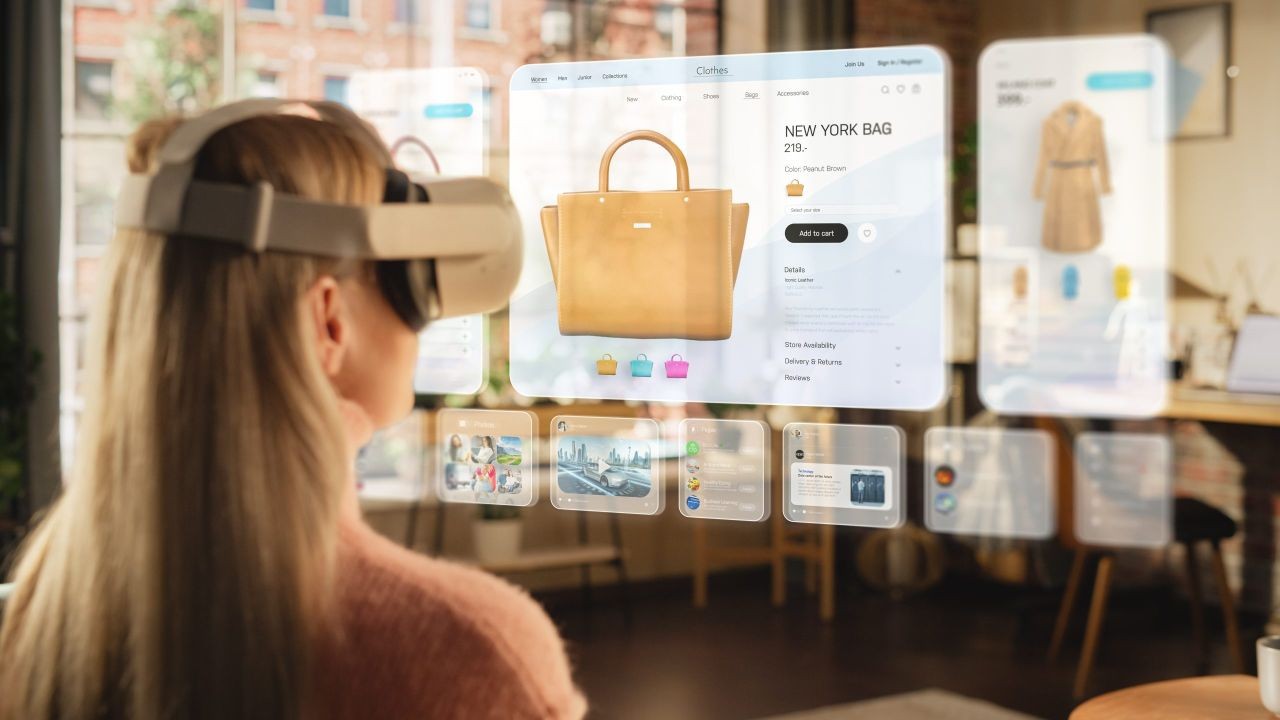
The future of video content in New Zealand's tourism industry is promising. A Deloitte report predicts a 30% increase in tourism-related video content by 2026, driven by technological advancements and increasing demand for virtual experiences. As 5G networks expand, expect more immersive content like 360-degree videos and virtual reality tours to become mainstream, offering travelers a taste of New Zealand from the comfort of their homes.
📝 Final Takeaways
- 📊 Fact: Video content can increase tourist engagement by up to 30%.
- 🔥 Strategy: Focus on storytelling to evoke emotions and connections with viewers.
- ❌ Mistake to Avoid: Avoid overproducing; simplicity and authenticity resonate more with audiences.
- 💡 Pro Tip: Leverage social media platforms to amplify reach and engagement.
Are you ready to harness the power of video for your travel business? Share your thoughts or experiences in the comments below!
🔍 People Also Ask (FAQ)
- How does video content impact tourism in New Zealand? Video content enhances tourist engagement, boosting visitations by 25%, as shown by a MBIE report.
- What are the best strategies for creating video content? Focus on storytelling and highlight unique aspects of the destination. Collaborating with local influencers can also boost visibility.
- What are the biggest misconceptions about using video in tourism? A common myth is that longer videos are more engaging, but data shows shorter, concise videos perform better.
🔍 Related Search Queries
- New Zealand video tourism trends
- Best NZ festival videos
- Local food tours in New Zealand
- Video marketing tips for tourism
- Impact of video on NZ travel industry
- How to create travel videos in New Zealand
For the full context and strategies on From Local Food Tours to Festival Highlights: Capturing Experiences With Video in NZ, see our main guide: New Zealand Video Platform.