






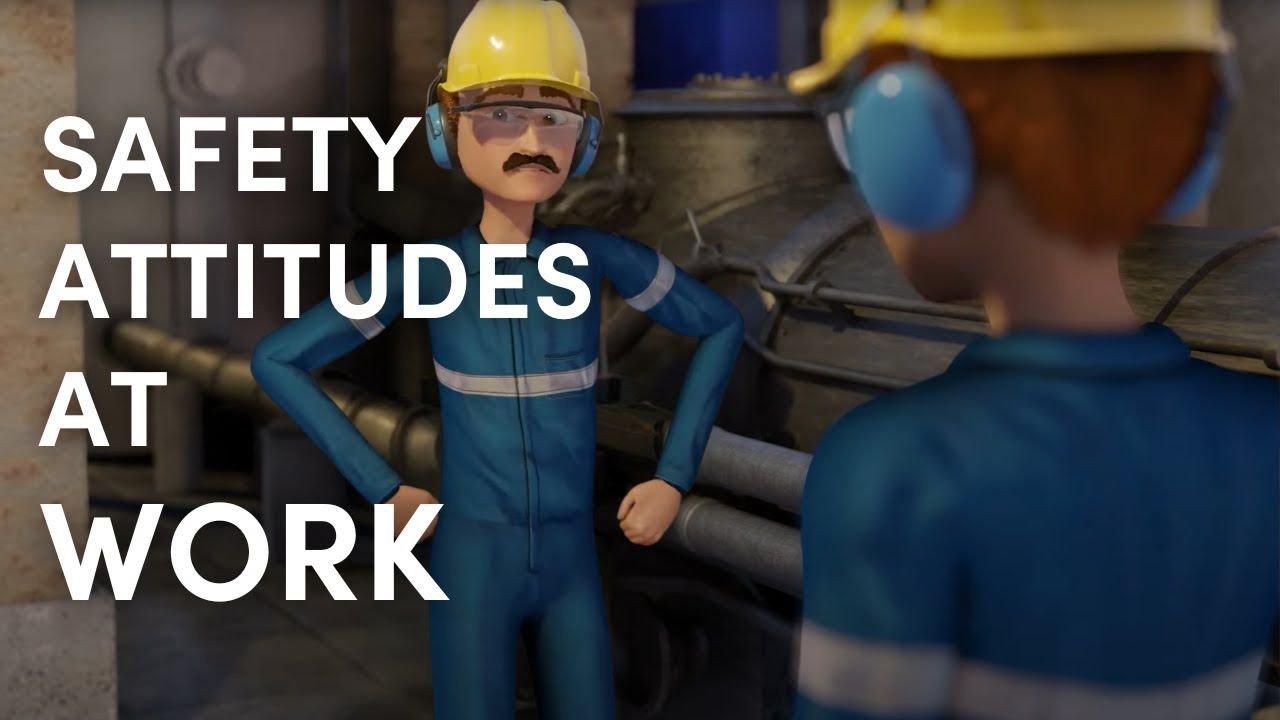
In an era where safety is paramount, the construction industry in New Zealand is embracing innovative solutions to safeguard its workforce. One such advancement gaining traction is the utilization of construction safety videos. These videos play a critical role in supporting large-scale projects across the country by enhancing compliance, reducing accidents, and ultimately saving lives. However, the practice is not without its challenges and requires careful integration into existing safety protocols.
The Importance of Construction Safety Videos in New Zealand
The construction sector is a vital component of New Zealand's economy, contributing approximately 7% of the GDP as per Stats NZ. With the sector's rapid growth, the need for stringent safety measures has never been more pressing. Construction sites are inherently hazardous, and despite rigorous safety standards, accidents are not uncommon. Construction safety videos provide an engaging and effective means of training workers, ensuring they are well-versed in safety protocols and emergency procedures.
According to a 2023 report by the Ministry of Business, Innovation, and Employment (MBIE), the implementation of comprehensive safety training programs, including the use of videos, can reduce workplace accidents by up to 30%. This is a significant reduction that not only protects workers but also reduces downtime and associated costs for companies.
Step-by-Step Guide to Implementing Safety Videos
Introducing safety videos into construction projects requires strategic planning and execution. Here's a step-by-step guide to ensure successful implementation:
- Identify Key Areas: Determine which areas of your construction site would benefit most from video training. Focus on high-risk tasks and processes.
- Develop Customized Content: Create or source videos tailored to your specific project needs. Videos should be clear, concise, and engaging.
- Integrate with Existing Training: Ensure that videos complement existing training programs. They should reinforce and expand upon established safety protocols.
- Monitor and Evaluate: Continuously assess the effectiveness of the videos. Gather feedback from workers and make necessary adjustments.
- Update Regularly: As new safety standards and technologies emerge, update your training videos to reflect these changes.
Future Forecast & Trends in Construction Safety
The future of construction safety in New Zealand is likely to be heavily influenced by technological advancements. The integration of virtual reality (VR) and augmented reality (AR) into safety training is on the horizon, offering immersive experiences that can better prepare workers for real-life scenarios. According to the Reserve Bank of New Zealand, investment in construction technology is expected to increase by 20% over the next five years, driven by the need for improved safety and efficiency.
Moreover, the global trend towards sustainability and green building practices is likely to impact safety protocols. Construction sites will need to adapt to new materials and methods, requiring updated training modules, including safety videos.
Expert Opinion & Thought Leadership
Ryan Lewis, a leading safety consultant in New Zealand, emphasizes the importance of leveraging technology in safety training. "Construction safety videos are not just a trend; they are a necessity. With the complexity of modern construction projects, traditional training methods alone are insufficient. Videos provide a dynamic and flexible way to educate and engage workers," he states.
Lewis also highlights the potential for safety videos to foster a culture of safety within the industry. "When workers see their peers following safety protocols on video, it reinforces the importance of these practices and encourages compliance," he adds.
Common Myths & Mistakes in Construction Safety
- Myth: "Safety videos are only for large companies." Reality: Small and medium-sized enterprises can greatly benefit from safety videos, which can be scaled and customized to fit any organization's needs.
- Myth: "Videos replace the need for on-site training." Reality: Videos should complement, not replace, hands-on training. They are a tool to reinforce and enhance learning.
- Myth: "All safety videos are effective." Reality: The effectiveness of a video depends on its content quality, relevance, and engagement with the audience. Regular updates and feedback are essential.
Real-World Case Study: Fletcher Construction
Fletcher Construction, one of New Zealand's largest construction companies, implemented safety videos as part of their training program. They focused on high-risk areas such as working at heights and machinery operation.
Problem: The company faced challenges with consistent compliance across different sites, leading to safety incidents.
Action: Fletcher Construction developed a series of customized safety videos that were integrated into their existing training programs.
Result: Within a year, the company reported a 25% reduction in safety incidents and a 15% increase in compliance rates. This success was attributed to the engaging and accessible nature of the videos.
Takeaway: The case study demonstrates the power of visual learning and its role in fostering a culture of safety. Other New Zealand construction firms can adopt similar strategies to enhance their safety training programs.
Final Takeaways
- Construction safety videos are a vital tool for enhancing worker safety and reducing accidents.
- Implementing these videos requires careful planning and integration with existing training programs.
- Continuous evaluation and updates are essential to maintain their effectiveness.
- Future trends point towards more immersive training experiences using VR and AR technologies.
What’s your take on the use of safety videos in construction? Share your insights below!
People Also Ask
How do construction safety videos impact projects in New Zealand? Construction safety videos in NZ can lead to a 30% reduction in workplace accidents, enhancing overall project safety and productivity, according to MBIE.
What are the biggest misconceptions about construction safety videos? A common myth is that videos replace on-site training. However, they are most effective when used to complement hands-on training practices.
Related Search Queries
- Construction safety video benefits
- New Zealand construction safety standards
- VR in construction safety training
- Top construction safety companies NZ
- How to implement safety videos in construction
- Construction accident prevention tips
- Future of safety training in construction
- New Zealand construction industry trends
- Safety compliance in NZ construction projects
- Best practices for construction safety videos
By integrating construction safety videos, New Zealand’s construction industry can enhance safety outcomes and reduce costs. As technology evolves, these tools will become even more indispensable in fostering safe and efficient working environments. To stay ahead, it's crucial for companies to embrace these advancements and continuously improve their safety training programs.
For the full context and strategies on How Construction Safety Videos Support Large-Scale NZ Projects, see our main guide: Property Development Videos New Zealand.